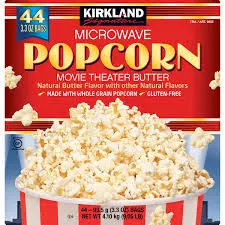
Microwave Popcorn · Microwave Popcorn
Kirkland Signature Microwave Popcorn
Microwave popcorn bag coating composition unconfirmed by brand.
Kirkland microwave popcorn uses a grease-resistant coated paper bag typical of the category, but makes no PFAS disclosure. Coating composition remains unverified; many popcorn bags historically contained PFOA-based water and grease repellents.
The better-graded swap
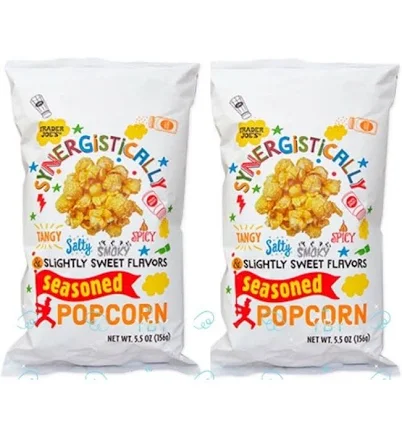
Trader Joe's
2 Packs Trader Joe's Synergistically Seasoned Popcorn 5.5 Oz Each Pack
70/100 safety
Same rubric that flunked this product. The swap earned Good.
Still want this one anyway? Check the price on Amazon. We’d swap it.
Material
paper bag with grease-resistant coating
Brand disclosure
Brand is silent on PFAS
Lab data
No public lab test
You may also be interested in
Top-graded picks in the categories readers replace first, every one scored on the same rubric.

- polypropylene filter housing, carbon/sediment cartridge
- We found no PFAS statement from the brand
- Bacterial growth in spent cartridges
3 hazards checked on this product, all on its full breakdown.

Aquasure
Premier Series 75 GPD Under Sink Reverse Osmosis Water Filtration System
- RO membrane, carbon filters, stainless steel housing
- We found no PFAS statement from the brand
- Bacterial and microbial growth in housing and filters
4 hazards checked on this product, all on its full breakdown.

Avocado
Vegan Mattress
- organic cotton, natural latex, coconut coir, recycled steel coils
- The brand calls it PFAS-free, which we have not verified
- Heavy metals
2 hazards checked on this product, all on its full breakdown.
What Kirkland Signature Microwave Popcorn is made of, ingredients and materials
Kirkland Signature microwave popcorn bags are lined with a greaseproof coating on the interior surface to contain oil and butter during heating. This coating composition is not disclosed by Costco/Kirkland, but microwave popcorn bags industry-wide have historically relied on PFAS-containing coatings (perfluorinated compounds) to achieve grease resistance. The paper substrate itself is typically food-grade bleached kraft paper, but the functional barrier coating is the primary concern for chemical migration into food during microwave heating.
What’s concerning
Waterproof / stain-resistant treatment
Water-repellent coating treatments have historically used PFAS.
Category baseline
The starting point for this type of product, before anything specific to this product is counted.
No PFAS disclosure
No public statement from the brand about PFAS in this product.
PFAS
Microwave popcorn bag linings historically contain PFAS for grease repellency. Kirkland has not confirmed or denied PFAS use; industry practice and the coating's function suggest likely presence. PFAS can migrate into food fat during heating.
Source, ATSDR ↗Thermal migration from coating
Microwave heating (typically 160-220 degrees F inside bag) may increase leaching of coating components into the popcorn kernels and oil. This risk is heightened if bags are overheated or used in conventional ovens contrary to instructions.
Coating degradation over time
Storage in warm or humid conditions, or exposure to light, can degrade the internal bag coating over months, potentially releasing particles or increasing permeability. Shelf life and storage conditions are not specified on Kirkland packaging.
What’s reassuring
Ink or adhesive contamination
Kirkland Signature uses standard food-grade printing and labeling on the exterior. No reported incidents of ink migration or adhesive failure have been documented for this product.
Microplastics
Paper bags do not shed microplastics under normal microwave use. Risk is negligible unless bag ruptures visibly into the popping chamber.
Source, EPA ↗How is this PFAS grade calculated?
The brand's record and disclosure
Costco/Kirkland Signature has not publicly disclosed the specific chemistry of their microwave popcorn bag coating or committed to PFAS phase-out in this product line. The company has made commitments to reduce PFAS in some product categories but remains silent on microwave popcorn specifically. No independent testing results or recalls specific to this product have been publicly documented, but the silence on coating composition is notable given industry scrutiny of PFAS in food contact packaging.
How it compares in its category
Most major microwave popcorn brands (including Orville Redenbacher, Pop Secret, and store brands) use similar greaseproof bag linings with unconfirmed or known PFAS content. Some smaller brands have marketed PFAS-free or 'healthier' alternatives using non-fluorinated coatings, though these remain niche. Kirkland's position is typical for mass-market popcorn; it offers no distinguishing safety advantage or disadvantage versus competitor bags in ingredient transparency.
If you buy it
Follow microwave instructions exactly; do not overheat or use oven. Store unopened bags in cool, dry conditions away from direct heat or sunlight to minimize any coating degradation. Limit consumption frequency if concerned about cumulative PFAS exposure. Consider stovetop popcorn with coconut oil or un-coated air-popped alternatives as occasional substitutes if you wish to reduce exposure to unconfirmed coatings.
What is not known about PFAS in this product?
- Basis
- Model estimate, 45% confidence, not a lab result
- Lab test
- None on record for this exact product
- Brand statement
- Microwave Popcorn has made none
Formulations change between production runs, so check the current label. How we grade.
What are the PFAS-free alternatives to Kirkland Signature Microwave Popcorn?
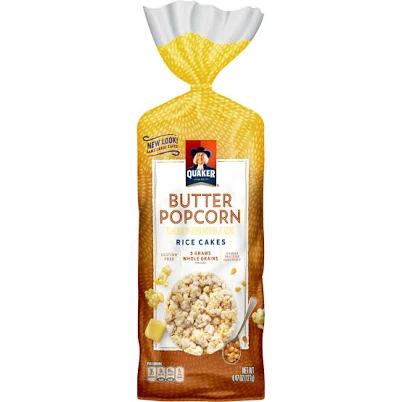
- puffed rice cakes in paperboard packaging
- We found no PFAS statement from the brand
- Mold or bacterial growth in packaging
- paperboard popcorn bag, grease-resistant interior lining
- We found no PFAS statement from the brand
- Moisture and mold risk if bag is compromised
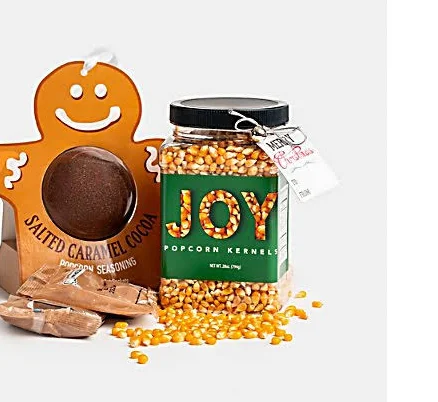
- paper-based food packaging with standard coating
- We found no PFAS statement from the brand
- Ink migration (printing on exterior or interior)
3 hazards checked on this product, all on its full breakdown.
More microwave popcorn grades
How we score, every product runs through the same public 0-100 rubric based on materials, coatings, brand disclosure, lab findings, and recalls. See the full methodology → Spotted a mistake? Report an error.