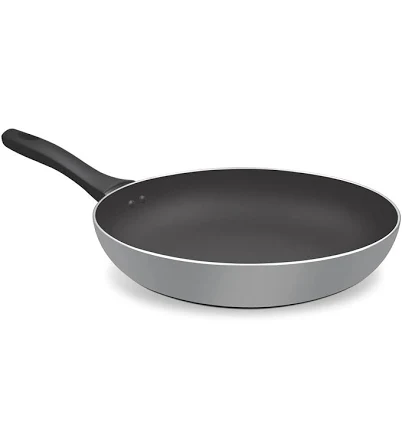
Milton Nonstick Frying Pan 8.5 Inch. Large Pan For Egg Omelette, Is It Non-Toxic?
Pass until Milton publicly identifies coating material.
Milton keeps their nonstick coating formula secret and says nothing about PFAS, though standard nonstick cookware often contains Teflon-family coating.
The better-graded swap
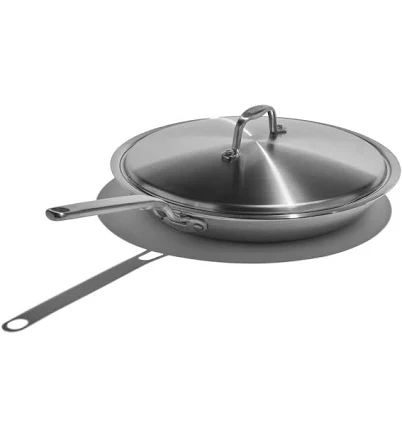
Heritage Steel
Heritage Steel Eater 12" Fry Pan with Lid
100/100 safety
Same rubric that flunked this product. The swap earned Excellent.
Still want this one anyway? Check the price on Amazon. We’d swap it.
Material
nonstick coating, composition unspecified
Brand disclosure
Brand is silent on PFAS
Lab data
No public lab test
You may also be interested in
Top-graded picks in the categories readers replace first, every one scored on the same rubric.

- polypropylene filter housing, carbon/sediment cartridge
- We found no PFAS statement from the brand
- Bacterial growth in spent cartridges
3 hazards checked on this product, all on its full breakdown.

Aquasure
Premier Series 75 GPD Under Sink Reverse Osmosis Water Filtration System
- RO membrane, carbon filters, stainless steel housing
- We found no PFAS statement from the brand
- Bacterial and microbial growth in housing and filters
4 hazards checked on this product, all on its full breakdown.

Avocado
Vegan Mattress
- organic cotton, natural latex, coconut coir, recycled steel coils
- The brand calls it PFAS-free, which we have not verified
- Heavy metals
2 hazards checked on this product, all on its full breakdown.
Is Milton Nonstick Frying Pan Egg Omelette non-toxic? What it is made of
Milton does not publicly specify whether this pan uses Teflon-type coating (Teflon-type), ceramic, or proprietary nonstick chemistry. The substrate appears to be aluminum or aluminum alloy based on typical 8.5-inch frying pan construction at this price point. Without coating material disclosure, you cannot assess whether fumes risk exists under high heat or whether the coating will leach or degrade predictably over time.
What’s concerning
Category baseline
The starting point for this type of product, before anything specific to this product is counted.
No PFAS disclosure
No public statement from the brand about PFAS in this product.
Non-stick, chemistry undisclosed
Marketed as non-stick without stating the coating chemistry.
Teflon-type coating fume risk (if Teflon-type coating-based)
Milton does not disclose whether coating is Teflon-type coating. If it is, overheating above 500°F can release polymer fume inhalation toxins (Teflon-type coating/Teflon flu). Budget brands sometimes lack adequate thickness or thermal stability; strict heat discipline is essential.
Coating degradation and particle shedding
Budget nonstick coatings are prone to flaking within 2-4 years of normal use, particularly if coating thickness is minimal. Milton does not specify coating durability or thickness. Ingestion of shed nonstick particles in food is a recognized concern with lower-cost pans.
Aluminum leaching
If the nonstick coating is thin or degrades, underlying aluminum may contact acidic or alkaline foods. Milton does not specify coating thickness or anodization of the aluminum substrate. Acidic foods (tomatoes, vinegar, citrus) pose the highest leaching risk on worn pans.
Off-gassing or volatile organic compounds (VOCs) during initial use
New nonstick cookware can emit odors during first heating, suggesting off-gassing of coating solvents or release agents. Milton does not provide outgassing specifications or cure instructions. First-use smell is common but should dissipate after 2-3 hand-washes and careful preheating.
What’s reassuring
Lead
No recalls or test results on record for Milton nonstick cookware containing lead or cadmium in paint or enamel. However, the lack of third-party testing by Milton makes this a data gap rather than a confirmed absence of risk.
Source, ATSDR ↗How is this PFAS grade calculated?
The brand's record and disclosure
Milton is a budget kitchenware brand with minimal public safety documentation or third-party testing records. The company does not appear to have published material safety data sheets or coating composition statements for this product. No major recalls are on record for this specific pan, but the lack of transparency on nonstick chemistry is a significant disclosure gap compared to established brands like T-fal or OXO.
How it compares in its category
Budget nonstick pans in this size typically use either legacy Teflon-type coating or unspecified polymer coatings to keep costs low. Mid-range alternatives from recognized brands usually disclose Teflon-type coating or ceramic construction and provide care guidelines tied to coating type. This Milton pan offers no such clarity, making it harder to assess longevity or safety margins versus alternatives at similar or slightly higher price points.
If you buy it
Keep heat below medium (below 350°F); never preheat empty or use on high. Inspect the coating monthly for flaking, discoloration, or bare patches; discontinue use immediately if damage appears. Hand wash only with soft sponges; avoid metal utensils and dishwashers. Replace within 3-5 years or sooner if coating shows wear, as degraded nonstick surfaces may shed particles or lose non-stick function entirely.
What is not known about PFAS in this product?
- Basis
- Model estimate, 35% confidence, not a lab result
- Lab test
- None on record for this exact product
- Brand statement
- Milton has made none
Formulations change between production runs, so check the current label. How we grade.
What are the PFAS-free alternatives to Milton Nonstick Frying Pan 8.5 Inch. Large Pan For Egg Omelette?
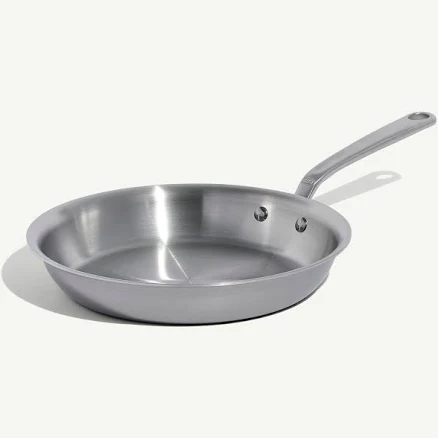
- Stainless steel clad construction, no nonstick coating
- The brand calls it PFAS-free, which we have not verified
- Clad separation or delamination over time
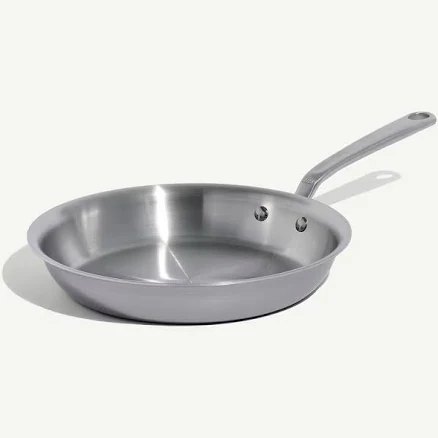
- stainless steel clad construction, no nonstick coating
- The brand calls it PFAS-free, which we have not verified
- Nickel leaching from stainless steel
3 hazards checked on this product, all on its full breakdown.
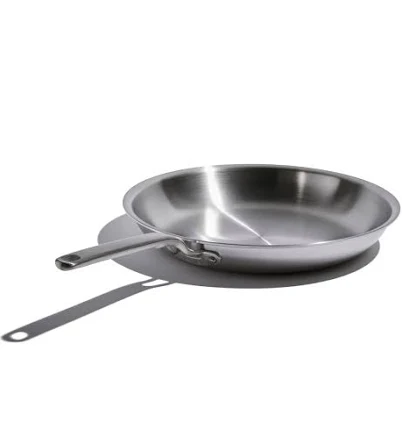
- Clad stainless steel, no coating
- The brand calls it PFAS-free, which we have not verified
- Metal ion release during cooking (iron, nickel, chromium)
More cookware grades
How we score, every product runs through the same public 0-100 rubric based on materials, coatings, brand disclosure, lab findings, and recalls. See the full methodology → Spotted a mistake? Report an error.