mountainFLOW · Ski & Sports Wax
Eco-Wax Quick Wax Cool
Skip until brand clarifies PFAS absence in formulation.
mountainFLOW makes eco-focused wax products but provides no public PFAS disclosure for this wax. Standard ski waxes occasionally contain fluorinated compounds; confirmation needed from brand before purchase.
We flunk more products than we pass. This one earned its grade. How we grade
Material
wax-based ski/snowboard wax
Brand disclosure
Brand is silent on PFAS
Lab data
No public lab test
You may also be interested in
Top-graded picks in the categories readers replace first, every one scored on the same rubric.

- polypropylene filter housing, carbon/sediment cartridge
- We found no PFAS statement from the brand
- Bacterial growth in spent cartridges
3 hazards checked on this product, all on its full breakdown.

Aquasure
Premier Series 75 GPD Under Sink Reverse Osmosis Water Filtration System
- RO membrane, carbon filters, stainless steel housing
- We found no PFAS statement from the brand
- Bacterial and microbial growth in housing and filters
4 hazards checked on this product, all on its full breakdown.

Avocado
Vegan Mattress
- organic cotton, natural latex, coconut coir, recycled steel coils
- The brand calls it PFAS-free, which we have not verified
- Heavy metals
2 hazards checked on this product, all on its full breakdown.
What Eco-Wax Quick Wax Cool is made of, ingredients and materials
Eco-Wax Quick Wax Cool is a hydrocarbon-based ski wax designed to reduce friction on snow. The 'cool' temperature range indicates a formulation optimized for colder conditions, typically using refined paraffin, microcrystalline wax, or natural beeswax blends as the base. Ski waxes do not typically leach into food or skin during normal use, but inhalation of fine wax particles during application (especially when hot-ironing) is the primary exposure route.
What’s concerning
Category baseline
The starting point for this type of product, before anything specific to this product is counted.
No PFAS disclosure
No public statement from the brand about PFAS in this product.
Particulate inhalation during hot application
Heating or scraping ski wax without ventilation can generate fine wax aerosols. While hydrocarbon wax itself is of low acute toxicity, chronic inhalation of any fine particulate carries respiratory concern, particularly in unventilated spaces.
Thermal degradation volatiles
When heated above safe working temperature (typically 130-160°C for paraffin waxes), hydrocarbon waxes may release volatile organic compounds (VOCs). No specific data is on record for this product, but elevated temperatures during ironing warrant ventilation.
PFAS
Fluorinated hydrocarbons are not typical in all waxes but are found in premium glide products. mountainFLOW has not disclosed or excluded PFAS; the 85/100 grade is a material-class estimate, not brand-specific testing. Absence cannot be assumed.
Source, ATSDR ↗What’s reassuring
Base material not linked to PFAS
The main material recorded for this product is not one associated with PFAS.
Heavy metals
Ski waxes may contain colorants; no recalls or test reports document lead or cadmium in mountainFLOW products. Without ingredient transparency, trace heavy metals in dyes cannot be fully excluded, though risk is low for this application (topical, not ingested).
Source, FDA ↗Petrochemical base or contaminants
Refined paraffin wax is a common, low-hazard base material. The 'eco' branding does not clarify whether the formulation uses synthetic or natural wax; no quality complaints or contamination reports are on public record for this brand.
How is this PFAS grade calculated?
The brand's record and disclosure
mountainFLOW markets itself under an 'eco' positioning but has not published ingredient transparency, third-party certifications, or explicit PFAS avoidance statements on public record. The brand's silence on PFAS is significant because fluorinated additives (to improve durability and glide) have been common in ski wax formulations, though they are not universal. Without certified testing or formulation disclosure, PFAS presence cannot be ruled out despite the PFAS grade of 85/100.
How it compares in its category
Ski waxes range from fully synthetic (often PFAS-containing for performance) to natural paraffin and plant-based blends. Brands with transparent ingredient lists or third-party certifications (e.g., GOTS for natural waxes, or explicit PFAS-free testing) are lower-concern alternatives. mountainFLOW's lack of public disclosure puts it in the middle-uncertainty tier; it is not a worst-case performer, but offers no verifiable chemical safety advantage over competitors.
If you buy it
Apply wax in a well-ventilated space to minimize inhalation of fine particles, especially when using a hot iron (which can aerosolize wax). Store in a cool, dry location away from direct heat or sunlight to prevent degradation or unwanted melting. Replace wax once it becomes visibly contaminated with dirt or oxidizes (typically after 1-3 seasons of use). Do not use on skin or ingest; wash hands after application.
What is not known about PFAS in this product?
- Basis
- Model estimate, 45% confidence, not a lab result
- Lab test
- None on record for this exact product
- Brand statement
- mountainFLOW has made none
Formulations change between production runs, so check the current label. How we grade.
What are the PFAS-free alternatives to Eco-Wax Quick Wax Cool?
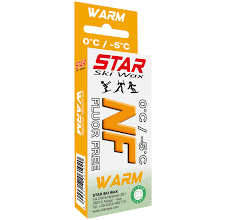
- hydrocarbon ski wax (non-fluorinated)
- The brand calls it PFAS-free, which we have not verified
- Volatile Organic Compounds (VOCs) and mineral oil vapor
3 hazards checked on this product, all on its full breakdown.
- hydrocarbon wax blend
- The brand calls it PFAS-free, which we have not verified
- Thermal degradation and fume emission
3 hazards checked on this product, all on its full breakdown.
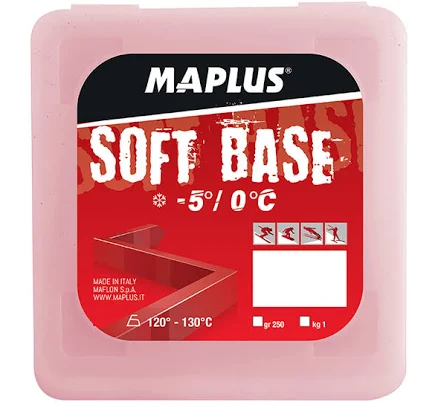
- Wax-based ski base, fluorine-free formulation
- The brand calls it PFAS-free, which we have not verified
- Inhalation of wax particulates and volatiles during application
More ski & sports wax grades
How we score, every product runs through the same public 0-100 rubric based on materials, coatings, brand disclosure, lab findings, and recalls. See the full methodology → Spotted a mistake? Report an error.