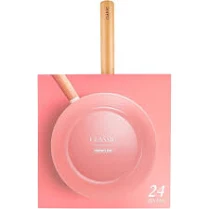
Neoflam 11" Nonstick Pink Frying Pan for Stove Top and Induction, Ceramic Coating, Wood Handle, Made in Korea (28cm)
Ceramic coating lowers PFAS concern; brand makes no PFAS claims.
Neoflam advertises ceramic nonstick coating, which typically avoids PFOA/Teflon-type coating. No public PFAS disclosures or third-party testing found for this model.
The better-graded swap
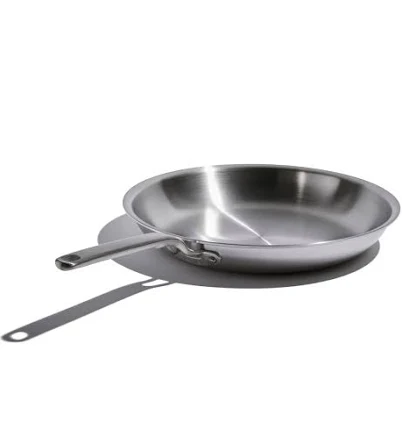
Heritage Steel
Heritage Steel Eater Fry Pan
100/100 safety
Same rubric that flunked this product. The swap earned Excellent.
Still want this one anyway? Check the price on Amazon. We’d swap it.
Material
ceramic nonstick coating
Brand disclosure
Brand is silent on PFAS
Lab data
No public lab test
Is Neoflam 11" Nonstick Pink Frying Pan non-toxic? What it is made of
This pan uses a ceramic nonstick coating rather than traditional Teflon-type coating (Teflon), which eliminates the risk of Teflon-type coating fume release at high heat. Ceramic coatings are inorganic mineral-based systems bonded to the underlying metal substrate. The base is likely aluminum or aluminum-alloy (typical for nonstick cookware), which can leach if the ceramic coating degrades or chips. Wood handles are inherently lower-risk for heat transfer compared to plastic, though they require hand-wash care.
What’s concerning
Category baseline
The starting point for this type of product, before anything specific to this product is counted.
No PFAS disclosure
No public statement from the brand about PFAS in this product.
Aluminum leaching from coating degradation
Ceramic coatings degrade over time with normal use and thermal cycling. If chips or thin spots develop, underlying aluminum can contact acidic or salty foods. No specific leaching data for this brand is published.
Coating integrity and durability
Ceramic nonstick coatings are known to wear faster than Teflon-type coating coatings, especially under abrasion and high heat. User reviews for budget ceramic brands commonly report visible wear within 1-2 years; no long-term durability testing for this specific product is on record.
What’s reassuring
Base material not linked to PFAS
The main material recorded for this product is not one associated with PFAS.
Lead
No recalls or testing results indicating lead or cadmium contamination in Neoflam ceramic coatings have been reported. However, manufacturer composition details are not publicly available to verify heavy metal testing or limits.
Source, ATSDR ↗Wood handle finish and adhesion
No specific issues with wood handles on this model are documented. Wood-to-metal joint durability depends on glue and finish; potential for separation over time if exposed to repeated moisture or extreme temperature swings, but no brand-specific defect record exists.
Off-gassing or volatile organic compounds (VOCs) from coating or finish
Ceramic coatings do not off-gas like some non-stick polymers. Wood handle finishes may release minor VOCs when new; no emissions testing data for this product is available.
The full breakdown
The brand's record and disclosure
Neoflam is a South Korean cookware manufacturer with a market focus on ceramic nonstick products. No major safety recalls or contamination incidents are documented in publicly available records for this brand. However, Neoflam makes no public PFAS disclosure statements or third-party safety certifications (such as NSF or FDA facility inspection records) readily available. Brand transparency on coating composition and durability testing is limited.
How it compares in its category
Ceramic nonstick cookware sits between traditional Teflon-type coating nonstick (higher fume risk at extreme temperatures) and uncoated stainless steel or cast iron (no chemical coating concern but requires different care). Ceramic coatings typically degrade faster than commercial-grade Teflon-type coating under heavy use and higher heat, meaning replacement cycles may be shorter. Wood handles are a mid-range choice, safer than plastic but requiring more maintenance than silicone or stainless handles.
If you buy it
Hand-wash only; dishwasher use accelerates coating breakdown. Keep heat below medium-high; ceramic nonstick performs well at lower temperatures and loses nonstick properties faster with excessive heat exposure. Inspect the coating regularly for chips, cracks, or wear spots; stop using if white, gray, or bare patches appear, as aluminum exposure becomes possible. Replace every 3-5 years depending on frequency of use, as ceramic coatings have a finite lifespan.
What we don’t know
- Basis
- Model estimate, 72% confidence, not a lab result
- Lab test
- None on record for this exact product
- Brand statement
- Neoflam has made none
Formulations change between production runs, so check the current label. How we grade.
Better-graded alternatives in Cookware
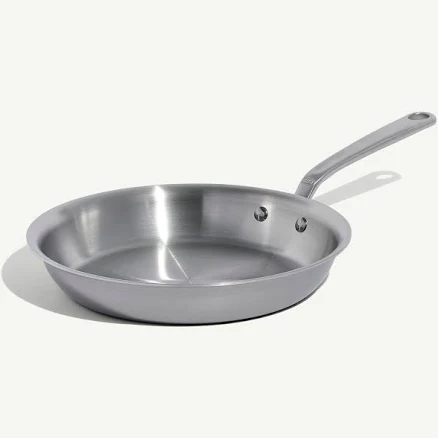
Made In
Stainless Clad Fry Pan
- Stainless steel clad construction, no nonstick coating
- The brand calls it PFAS-free, which we have not verified
- Clad separation or delamination over time
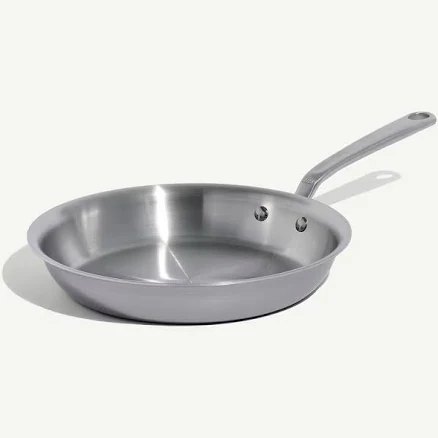
Made In
10' Stainless Clad Frying Pan
- stainless steel clad construction, no nonstick coating
- The brand calls it PFAS-free, which we have not verified
- Nickel leaching from stainless steel
3 hazards checked on this product. See all of them.
Heritage Steel
Eater Fry Pan
- Clad stainless steel, no coating
- The brand calls it PFAS-free, which we have not verified
- Metal ion release during cooking (iron, nickel, chromium)
More cookware grades
How we score, every product runs through the same public 0-100 rubric based on materials, coatings, brand disclosure, lab findings, and recalls. See the full methodology → Spotted a mistake? Report an error.