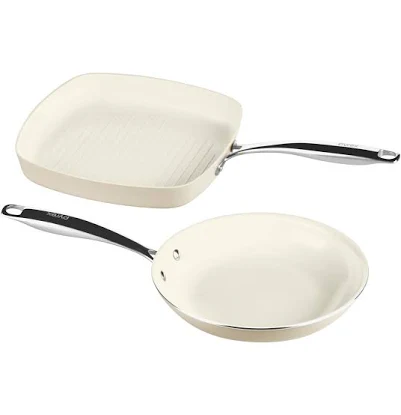
Pyrex Ceramic Cookware 2-PC Set Pyrex Set
Lower concern; ceramic cookware has no nonstick coating.
Pyrex ceramic cookware is not nonstick and contains no Teflon-family coating coatings. Ceramic is lower concern for PFAS, though brand does not disclose treatment details.
The better-graded swap
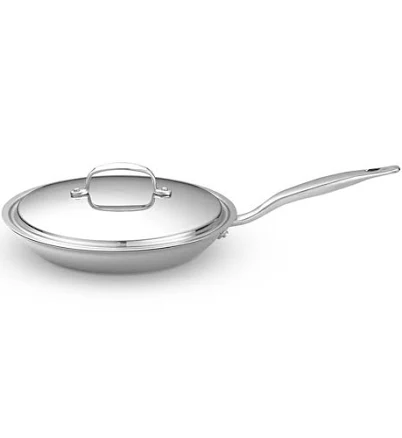
Heritage Steel
Heritage Steel 10.5" Fry Pan with Lid
100/100 safety
Same rubric that flunked this product. The swap earned Excellent.
Still want this one anyway? Check the price on Amazon. We’d swap it.
Material
ceramic cookware
Lab data
No public lab test
Is Pyrex Ceramic Cookware 2-PC Set Pyrex Set non-toxic? What it is made of
This is ceramic cookware, typically a clay body fired at high temperature with a glaze surface. Pyrex ceramic cookware uses vitrified ceramic, which differs from their glass bakeware line. The glaze is the functional and safety-critical surface; it seals the porous ceramic underneath and is what contacts food. Ceramic cookware does not use Teflon-type coating nonstick coatings or fluorochemicals.
What’s concerning
Category baseline
The starting point for this type of product, before anything specific to this product is counted.
No PFAS disclosure
No public statement from the brand about PFAS in this product.
Lead
Ceramic glazes can contain lead or cadmium as colorants or flux agents. Pyrex does not publish glaze composition or third-party heavy metal test results. The FDA regulates lead and cadmium limits in cookware glazes, but compliance testing is not publicly disclosed for this product.
Source, ATSDR ↗Glaze degradation and coating failure
Ceramic glaze can crack, craze (fine surface fractures), or chip with use and thermal cycling. Damaged glaze exposes the underlying ceramic body and increases the surface area for potential leaching. Users should inspect cookware regularly and discontinue use if damage is visible.
Thermal shock and breakage
Ceramic cookware is prone to cracking if exposed to rapid temperature changes (e.g., cold water on hot surface). While not a chemical hazard, breakage can create sharp edges and may expose glaze damage. Avoid sudden temperature swings and allow gradual cooling.
What’s reassuring
Base material not linked to PFAS
The main material recorded for this product is not one associated with PFAS.
Aluminum leaching
Ceramic cookware itself does not contain aluminum; this hazard applies to bare aluminum cookware and is not relevant to this product.
Teflon-type coating and nonstick fume risk
Ceramic cookware does not use Teflon-type coating or Teflon-family coating nonstick coatings, so thermal decomposition and fume release are not applicable. This eliminates a primary hazard of traditional nonstick cookware.
The full breakdown
The brand's record and disclosure
Pyrex is owned by Instant Brands and has a long history in kitchenware dating to 1915. The brand does not publicly disclose glaze composition or heavy metal testing results for ceramic cookware. No recalls or established safety violations specific to this ceramic cookware line are on record. Pyrex has faced scrutiny over glass bakeware thermal shock failures in recent years, but that does not apply to ceramic cookware.
How it compares in its category
Ceramic cookware as a category avoids Teflon-type coating and PFAS entirely, placing it lower risk than traditional nonstick. However, ceramic competes with stainless steel and cast iron on chemical safety. Like all glazed ceramics, the primary hazard is heavy metal leaching from the glaze; Pyrex's established brand presence suggests manufacturing standards, but independent testing data is not publicly available. Unglazed ceramic alternatives and high-temperature-fired stoneware from some manufacturers report third-party lead testing; Pyrex does not.
If you buy it
Use on stovetop and oven according to stated temperature limits. Inspect the glaze regularly for chips, cracks, or crazing (fine lines); discard or stop using the piece if the glaze surface is damaged, as this exposes the clay body and increases leaching risk. Avoid prolonged storage of acidic foods (tomato, vinegar, citrus) in the cookware, as acid accelerates glaze breakdown and potential heavy metal release. Hand wash rather than machine wash to extend glaze life and reduce thermal shock.
What we don’t know
- Basis
- Model estimate, 82% confidence, not a lab result
- Lab test
- None on record for this exact product
- Brand statement
- Pyrex has made a specific claim
Formulations change between production runs, so check the current label. How we grade.
Better-graded alternatives in Cookware
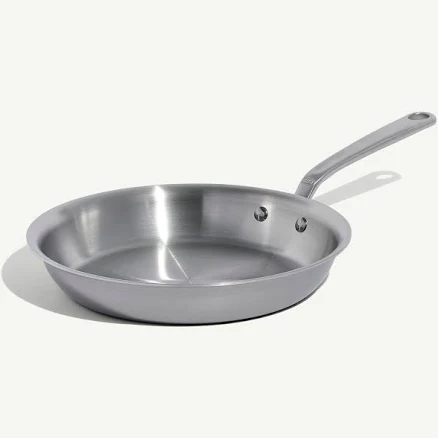
Made In
Stainless Clad Fry Pan
- Stainless steel clad construction, no nonstick coating
- The brand calls it PFAS-free, which we have not verified
- Clad separation or delamination over time
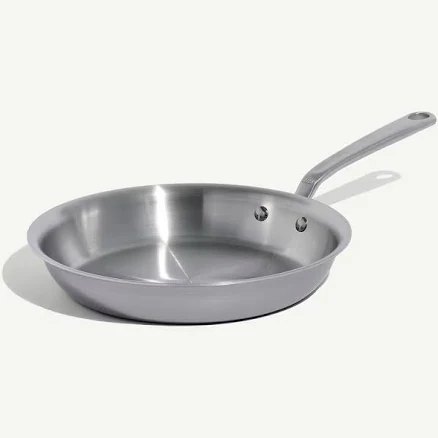
Made In
10' Stainless Clad Frying Pan
- stainless steel clad construction, no nonstick coating
- The brand calls it PFAS-free, which we have not verified
- Nickel leaching from stainless steel
3 hazards checked on this product. See all of them.
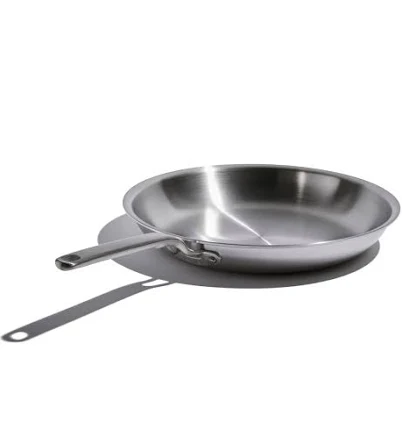
Heritage Steel
Eater Fry Pan
- Clad stainless steel, no coating
- The brand calls it PFAS-free, which we have not verified
- Metal ion release during cooking (iron, nickel, chromium)
More cookware grades
How we score, every product runs through the same public 0-100 rubric based on materials, coatings, brand disclosure, lab findings, and recalls. See the full methodology → Spotted a mistake? Report an error.