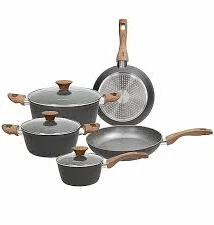
Tognana Porcellane Bakelite Pans
Lower concern. Bakelite is not a material linked to PFAS.
Bakelite is a phenolic resin not associated with PFAS in the scientific literature. Tognana has no PFAS statement on record for this product. The material as recorded presents lower concern than fluorinated nonstick coatings.
The better-graded swap
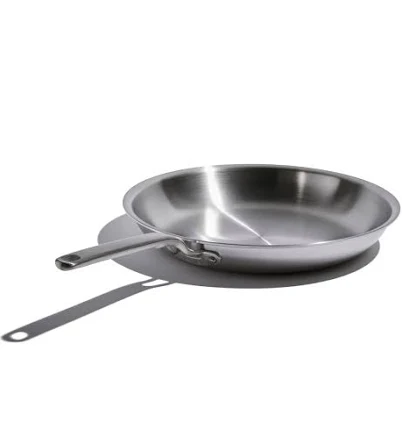
Heritage Steel
Heritage Steel Eater Fry Pan
100/100 safety
Same rubric that flunked this product. The swap earned Excellent.
Still want this one anyway? Check the price on Amazon. We’d swap it.
Material
Bakelite (phenolic resin)
Brand disclosure
Brand is silent on PFAS
Lab data
No public lab test
Are Tognana Porcellane Bakelite Pans non-toxic? What it is made of
Tognana Bakelite pans use phenolic resin, a thermoset plastic developed in the early 1900s that does not require non-stick coatings. Bakelite is rigid, heat-resistant to moderate temperatures (typically to around 150-160°C / 300-320°F), and does not degrade into microplastics under normal cooking conditions. The material does not leach BPA, phthalates, or other endocrine disruptors common to newer plastics. Its inert nature means no coating flaking or leaching concerns that plague ceramic-coated or Teflon-type coating cookware.
What’s concerning
Category baseline
The starting point for this type of product, before anything specific to this product is counted.
No PFAS disclosure
No public statement from the brand about PFAS in this product.
Formaldehyde / VOCs
Phenolic resins can release trace formaldehyde if heated beyond their design limit (typically >160°C). Normal stovetop cooking at moderate heat poses minimal risk, but prolonged exposure to high heat or oven use above stated limits may trigger off-gassing. No documented cases for Tognana Bakelite pans specifically.
Source, ATSDR ↗Brittleness and microcracking over time
Bakelite is inherently brittle and prone to stress fractures, especially near handles or after thermal cycling (repeated heating and cooling). While not a direct health hazard, cracks can harbor bacteria and are irreversible. This is an aging and durability issue rather than a chemical one.
Leaching from handles or metal fittings
If handles or fasteners use nickel-plated or painted metal, prolonged contact with acidic foods may cause minor leaching. Tognana product specifications do not detail handle materials or plating standards; visual inspection of handles for corrosion is prudent.
What’s reassuring
Base material not linked to PFAS
The main material recorded for this product is not one associated with PFAS.
Lead
Phenolic resins themselves do not contain lead or cadmium, and no historical records indicate heavy-metal contamination in Tognana Bakelite cookware. The material class is inherently free of these hazards.
Source, ATSDR ↗Aluminum substrate leaching (if hybrid construction)
Pure Bakelite pans have no aluminum substrate, so aluminum leaching is not a concern. If Tognana pans combine Bakelite handles with an aluminum cooking surface, aluminum-leaching risk would apply to the base metal only, not the Bakelite itself.
The full breakdown
The brand's record and disclosure
Tognana is an Italian cookware manufacturer with a long history (founded 1960s) but maintains minimal public disclosure on material testing or safety certifications for this product line. No major recalls or safety controversies are on record for Bakelite pans from this brand. The company does not publicly advertise third-party certifications (FDA, CE, or independent testing) for these specific products, which is typical for heritage cookware brands but limits independent verification of temperature claims or material purity.
How it compares in its category
Bakelite pans occupy a narrow, older niche in cookware. They avoid the Teflon-type coating-fume risk of non-stick cookware, the lead/cadmium concerns in some ceramic glazes, and the aluminum-leaching debates of bare aluminum cookware. However, they are less durable and heat-tolerant than stainless steel and offer no non-stick performance, making them less convenient than modern alternatives. They are primarily valued by retro enthusiasts and specialty cooks rather than mainstream consumers.
If you buy it
Keep heat below 160°C (320°F) to avoid warping or potential degradation of the phenolic resin matrix. Hand-wash only; dishwasher heat and detergent may cause discoloration or brittleness over time. Inspect regularly for cracks or discoloration, which signal material fatigue. Do not use on induction cooktops. Bakelite is durable but not immortal; expect 10-15 years of typical use before replacement becomes prudent.
What we don’t know
- Basis
- Model estimate, 82% confidence, not a lab result
- Lab test
- None on record for this exact product
- Brand statement
- Tognana has made none
Formulations change between production runs, so check the current label. How we grade.
Better-graded alternatives in Cookware
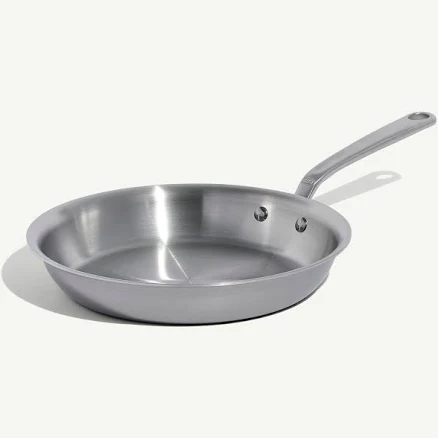
Made In
Stainless Clad Fry Pan
- Stainless steel clad construction, no nonstick coating
- The brand calls it PFAS-free, which we have not verified
- Clad separation or delamination over time
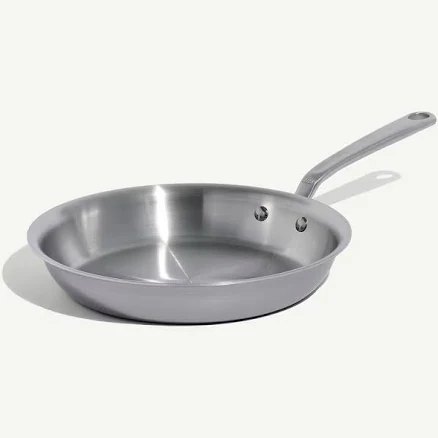
Made In
10' Stainless Clad Frying Pan
- stainless steel clad construction, no nonstick coating
- The brand calls it PFAS-free, which we have not verified
- Nickel leaching from stainless steel
3 hazards checked on this product. See all of them.
Heritage Steel
Eater Fry Pan
- Clad stainless steel, no coating
- The brand calls it PFAS-free, which we have not verified
- Metal ion release during cooking (iron, nickel, chromium)
More cookware grades
How we score, every product runs through the same public 0-100 rubric based on materials, coatings, brand disclosure, lab findings, and recalls. See the full methodology → Spotted a mistake? Report an error.