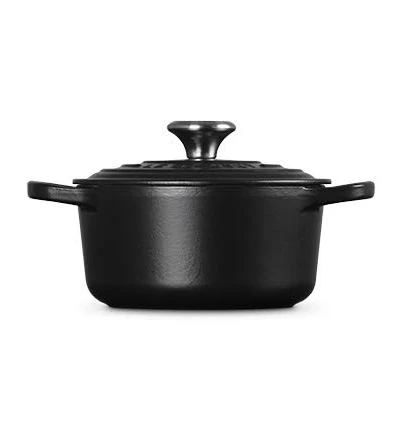
Le Creuset Enameled Cast Iron, Is It Non-Toxic?
Enameled cast iron with no non-stick coating on record, and no PFAS statement from the brand.
Le Creuset has not publicly disclosed PFAS information for this enameled cast iron cookware. The base material is not linked to PFAS. No water-repellent finish or non-stick coating is on record.
The better-graded swap
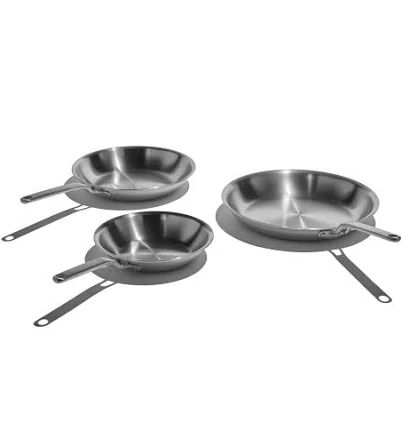
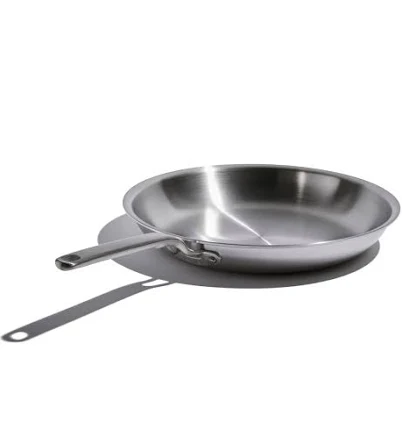
Heritage Steel
Eater x Heritage Steel 3 Piece Fry Pan Set
100/100 safety
Same rubric that flunked this product. The swap earned Excellent.
Still want this one anyway? Check the price on Amazon. We’d swap it.
You may also be interested in
Top-graded picks in the categories readers replace first, every one scored on the same rubric.

- polypropylene filter housing, carbon/sediment cartridge
- We found no PFAS statement from the brand
- Bacterial growth in spent cartridges
3 hazards checked on this product, all on its full breakdown.

Aquasure
Premier Series 75 GPD Under Sink Reverse Osmosis Water Filtration System
- RO membrane, carbon filters, stainless steel housing
- We found no PFAS statement from the brand
- Bacterial and microbial growth in housing and filters
4 hazards checked on this product, all on its full breakdown.

Avocado
Vegan Mattress
- organic cotton, natural latex, coconut coir, recycled steel coils
- The brand calls it PFAS-free, which we have not verified
- Heavy metals
2 hazards checked on this product, all on its full breakdown.
Is Le Creuset Enameled Cast Iron non-toxic? What it is made of
Le Creuset enameled cast iron consists of a cast iron body coated with a vitreous enamel (glass-like ceramic layer). The enamel coating is chemically inert when properly applied and cured, serving as a barrier between the acidic or alkaline foods and the underlying iron. Cast iron itself is a relatively inert metal that does not leach significantly under normal cooking conditions. The enamel is the critical safety component; any chips or cracks expose bare iron, which can oxidize and transfer iron into food (not toxic in normal amounts but undesirable).
What’s concerning
No PFAS disclosure
No public statement from the brand about PFAS in this product.
Category baseline
The starting point for this type of product, before anything specific to this product is counted.
Enamel coating degradation and bare iron exposure
Chipping or crazing of enamel is a known durability issue in enameled cookware over time, particularly with thermal shock or impact. Once the enamel is compromised, bare cast iron can transfer elevated iron into acidic foods and will rust if exposed to moisture.
What’s reassuring
Base material not linked to PFAS
The main material recorded for this product is not one associated with PFAS.
Lead
No recalls or test reports documenting lead or cadmium contamination in Le Creuset enamels have been publicly released. Vitreous enamels in premium cookware are formulated to exclude these heavy metals, though composition is proprietary.
Source, ATSDR ↗Formaldehyde / VOCs
Formaldehyde-based resins are used in some industrial coatings but are not standard in modern vitreous enamel formulations. No evidence or disclosure suggests Le Creuset enamels contain formaldehyde releasers.
Source, ATSDR ↗Aluminum leaching from cookware body
Le Creuset enameled cast iron is cast iron, not aluminum, so aluminum leaching is not a concern with this product.
Teflon-type coating (Teflon) fume risk
Le Creuset enameled cast iron does not use Teflon-type coating or nonstick coatings; it relies on traditional vitreous enamel, which does not off-gas fluorinated compounds at normal cooking temperatures.
How is this PFAS grade calculated?
The brand's record and disclosure
Le Creuset is a premium cookware manufacturer with a long operational history and no major product safety recalls related to enamel leaching or toxic coating contamination on record. The company does not prominently disclose detailed enamel composition or third-party testing results on consumer-facing materials, which is typical for established cookware brands. Le Creuset products are manufactured primarily in France and sold globally with consistent quality standards. No documented controversies regarding formaldehyde resins, cadmium, or lead in enamels have been publicly reported for this brand.
How it compares in its category
Enameled cast iron has lower concern for metal leaching because the enamel coating prevents direct contact between food and iron or reactive metals. Compared to non-enameled cast iron, it reduces iron leaching; compared to bare aluminum cookware, it avoids aluminum leaching risk. Le Creuset sits at the premium end of enameled cast iron; budget alternatives sometimes have thinner or lower-quality enamels that chip more easily, increasing exposure risk. Ceramic-coated nonstick cookware and stainless steel are broadly comparable in safety, though each has different use limitations.
If you buy it
Inspect the enamel coating regularly for chips, cracks, or crazing (fine surface cracking); discard or stop using the piece if cracks expose bare iron, as this increases leaching and rust risk. Avoid sudden temperature shocks (e.g., moving from stovetop directly to cold water), which can cause crazing and shorten enamel life. Do not use on high heat above manufacturer guidelines (typically around 500F for stovetop cookware); overheating can degrade the enamel. Hand wash rather than dishwasher wash when possible to prolong enamel integrity, though Le Creuset enamels are generally durable in dishwashers.
What is not known about PFAS in this product?
- Basis
- Model estimate, 100% confidence, not a lab result
- Lab test
- None on record for this exact product
- Brand statement
- Le Creuset has made a specific claim
Formulations change between production runs, so check the current label. How we grade.
What are the PFAS-free alternatives to Le Creuset Enameled Cast Iron?
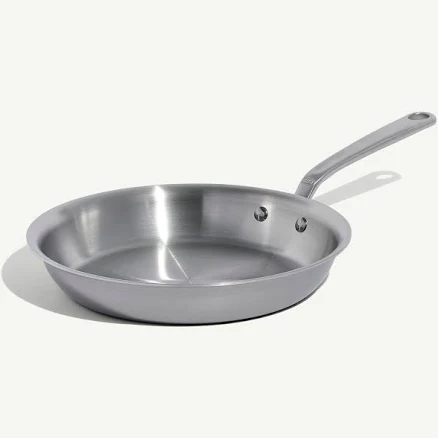
- Stainless steel clad construction, no nonstick coating
- The brand calls it PFAS-free, which we have not verified
- Clad separation or delamination over time
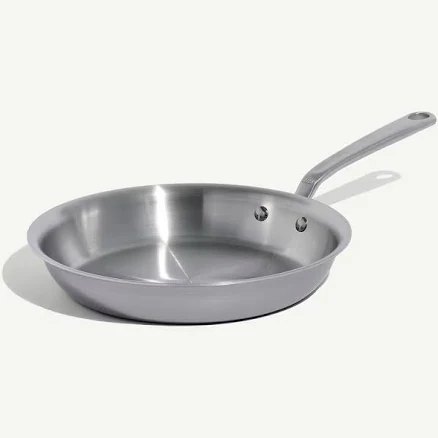
- stainless steel clad construction, no nonstick coating
- The brand calls it PFAS-free, which we have not verified
- Nickel leaching from stainless steel
3 hazards checked on this product, all on its full breakdown.
- Clad stainless steel, no coating
- The brand calls it PFAS-free, which we have not verified
- Metal ion release during cooking (iron, nickel, chromium)
More cookware grades
How we score, every product runs through the same public 0-100 rubric based on materials, coatings, brand disclosure, lab findings, and recalls. See the full methodology → Spotted a mistake? Report an error.