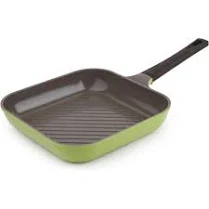
Neoflam Ceramic Nonstick Square Grill Pan
Ceramic cookware lowers PFAS risk, but coating details remain unclear.
Neoflam markets ceramic nonstick as PFAS-free alternative, but lacks third-party verification or full coating disclosure. Ceramic itself is lower concern, though specifics of the nonstick formula are undocumented.
The better-graded swap
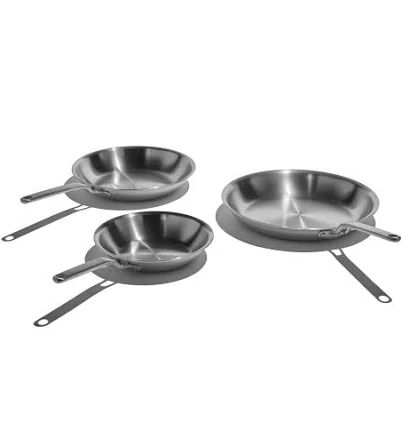
Heritage Steel
Eater x Heritage Steel 3 Piece Fry Pan Set
100/100 safety
Same rubric that flunked this product. The swap earned Excellent.
Still want this one anyway? Check the price on Amazon. We’d swap it.
Material
ceramic nonstick coating over steel base
Brand disclosure
Brand is silent on PFAS
Lab data
No public lab test
Is Neoflam Ceramic Nonstick Square Grill Pan non-toxic? What it is made of
Neoflam's ceramic nonstick coating is applied over a steel base. Ceramic coatings are marketed as Teflon-type coating-free alternatives, reducing the risk of fume release that occurs with damaged conventional nonstick cookware. However, the specific composition of this brand's ceramic layer, including whether it contains inorganic binders, silicone resin components, or other additives, is not disclosed in publicly available materials. Steel substrates do not typically leach metals at normal cooking temperatures, but the interface between coating and base can degrade over repeated thermal cycling.
What’s concerning
Non-stick, chemistry undisclosed
Marketed as non-stick without stating the coating chemistry.
Category baseline
The starting point for this type of product, before anything specific to this product is counted.
No PFAS disclosure
No public statement from the brand about PFAS in this product.
Ceramic coating durability and degradation
Ceramic nonstick coatings are known in the category to wear faster than Teflon-type coating and can chip or peel with normal use. Neoflam has not published wear-testing data or estimated coating lifespan; loss of coating integrity could expose the steel substrate and reduce nonstick function.
Coating-to-steel interface corrosion or leaching
Repeated heating and cooling can cause the ceramic layer to separate from the steel base, allowing moisture ingress and potential rust or trace metal release at the interface. Neoflam provides no guidance on this aging process or replacement intervals.
Ceramic coating resin components (silicone, epoxy, or other binders)
Ceramic coatings often contain polymeric or resin binders to adhere to the steel. The specific chemistry is not disclosed; some formulations may release trace compounds at high temperatures, though conventional oven use is unlikely to trigger significant emissions.
What’s reassuring
Lead
No recalls or test reports document lead or cadmium in Neoflam ceramic cookware. However, without public third-party testing of this specific product, the risk cannot be fully ruled out, especially given the brand's silent stance on material certification.
Source, ATSDR ↗The full breakdown
The brand's record and disclosure
Neoflam does not publicly disclose detailed ingredient lists, certifications (such as GOTS, Oeko-Tex, or NSF), or safety testing data for this cookware line. The brand has not issued formal statements on PFAS avoidance, heavy-metal testing, or coating durability standards. No major recalls linked to this specific product are on record in public safety databases, but the absence of transparency is notable in a market where competitors increasingly provide third-party test results.
How it compares in its category
Ceramic nonstick cookware occupies a middle position between conventional Teflon-type coating nonstick and uncoated stainless or cast iron. Unlike traditional nonstick, ceramic typically performs less consistently over time and requires gentler handling; it also avoids the fume risk of damaged Teflon-type coating. Compared to enameled cast iron or ceramic-core cookware from brands with certified material disclosures, Neoflam's lack of transparency makes direct safety comparison difficult.
If you buy it
Use only low to medium heat; ceramic nonstick coatings are not designed for high-heat searing. Hand-wash rather than dishwash to slow coating erosion. Inspect the coating surface regularly for chips, scratches, or discoloration, which indicate degradation; replace if the base becomes exposed. Avoid metal utensils; use silicone or wood. Do not preheat empty on high heat, as thermal stress accelerates peeling.
What we don’t know
- Basis
- Model estimate, 62% confidence, not a lab result
- Lab test
- None on record for this exact product
- Brand statement
- Neoflam has made none
Formulations change between production runs, so check the current label. How we grade.
Better-graded alternatives in Cookware
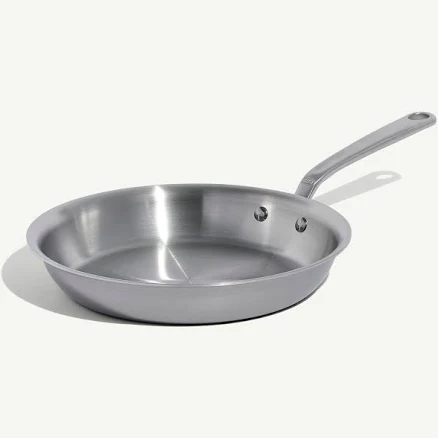
Made In
Stainless Clad Fry Pan
- Stainless steel clad construction, no nonstick coating
- The brand calls it PFAS-free, which we have not verified
- Clad separation or delamination over time
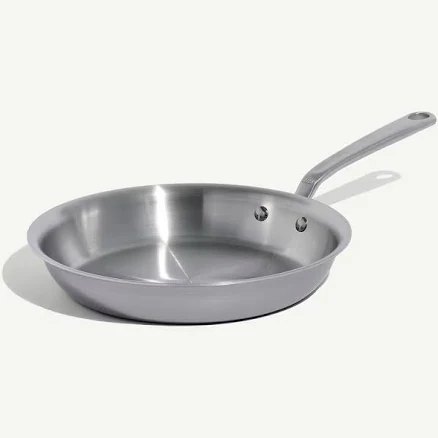
Made In
10' Stainless Clad Frying Pan
- stainless steel clad construction, no nonstick coating
- The brand calls it PFAS-free, which we have not verified
- Nickel leaching from stainless steel
3 hazards checked on this product. See all of them.
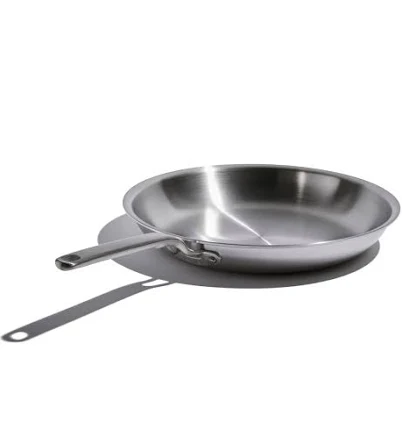
Heritage Steel
Eater Fry Pan
- Clad stainless steel, no coating
- The brand calls it PFAS-free, which we have not verified
- Metal ion release during cooking (iron, nickel, chromium)
More cookware grades
How we score, every product runs through the same public 0-100 rubric based on materials, coatings, brand disclosure, lab findings, and recalls. See the full methodology → Spotted a mistake? Report an error.