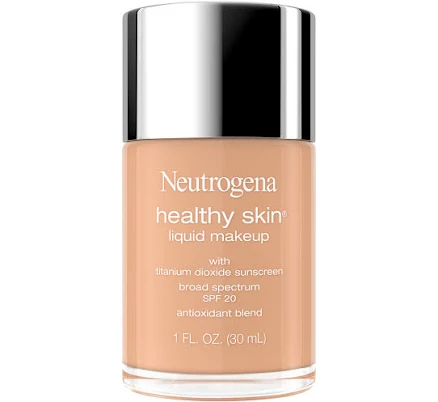
Neutrogena Healthy Skin Liquid Makeup, Buff 310w, 1 fl. oz, Size: 1 fl oz (30mL)
Low PFAS risk likely, but Neutrogena provides no disclosure.
Liquid foundations typically contain lower PFAS risk than waterproof cosmetics. Neutrogena makes no public PFAS statements for this product; ask the brand directly for ingredient transparency.
The better-graded swap
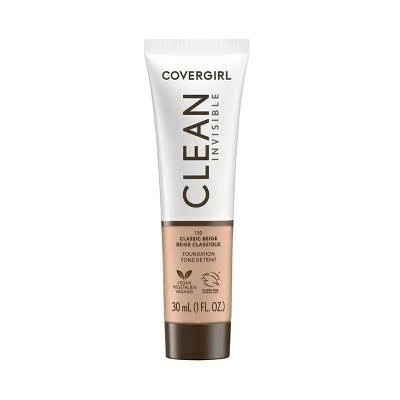
CoverGirl
CoverGirl Clean Invisible Foundation
75/100 safety
Same rubric that flunked this product. The swap earned Excellent.
Still want this one anyway? Check the price on Amazon. We’d swap it.
Material
water-based liquid foundation, pigments, glycerin, preservatives
Lab data
No public lab test
You may also be interested in
Top-graded picks in the categories readers replace first, every one scored on the same rubric.

- polypropylene filter housing, carbon/sediment cartridge
- We found no PFAS statement from the brand
- Bacterial growth in spent cartridges
3 hazards checked on this product, all on its full breakdown.

Aquasure
Premier Series 75 GPD Under Sink Reverse Osmosis Water Filtration System
- RO membrane, carbon filters, stainless steel housing
- We found no PFAS statement from the brand
- Bacterial and microbial growth in housing and filters
4 hazards checked on this product, all on its full breakdown.

Avocado
Vegan Mattress
- organic cotton, natural latex, coconut coir, recycled steel coils
- The brand calls it PFAS-free, which we have not verified
- Heavy metals
2 hazards checked on this product, all on its full breakdown.
What Neutrogena Healthy Skin Liquid (30mL) is made of, ingredients and materials
This is a water-based liquid foundation, meaning the primary carrier is water rather than oil, with added glycerin as a humectant and pigments (iron oxides, titanium dioxide, or synthetic colorants) for coverage and tone. Preservatives are necessary to prevent bacterial and fungal growth in a water-rich formula. Water-based foundations generally have lower volatility and off-gassing risk than silicone or oil-heavy alternatives, but rely more heavily on chemical preservatives to maintain stability during storage and use.
What’s concerning
Category baseline
The starting point for this type of product, before anything specific to this product is counted.
No PFAS disclosure
No public statement from the brand about PFAS in this product.
Fragrance allergens (undisclosed)
Product label does not specify fragrance components; typical water-based foundations contain fragrance blends that may trigger contact sensitization or respiratory irritation in sensitive individuals. Neutrogena does not provide fragrance allergen transparency.
Formaldehyde / VOCs
Water-based cosmetics commonly use preservatives such as imidazolidinyl urea or dmdm hydantoin, which release low levels of formaldehyde over time. Neutrogena does not disclose its preservative system for this product; exposure risk is typical for the category but not quantified here.
Source, ATSDR ↗1,4-dioxane (cosmetic manufacturing contaminant)
1,4-dioxane can be a trace contaminant in water-based cosmetics during manufacturing, particularly in formulas with surfactants or emulsifiers. Neutrogena does not disclose testing or limits for 1,4-dioxane in this product; risk is typical for mass-market liquid foundations but unquantified.
What’s reassuring
Heavy metals
No product-specific testing or recalls for lead, cadmium, or arsenic in this foundation are on record. Iron oxides and FDA-approved colorants are regulated, but Neutrogena does not publish third-party heavy metal assay results for finished products.
Source, FDA ↗Talc contamination
This is a liquid foundation, not a powder, so talc is not an ingredient class of concern. Talc-related hazards do not apply to this product format.
How is this PFAS grade calculated?
The brand's record and disclosure
Neutrogena (owned by Johnson & Johnson) does not publicly disclose fragrance allergens, preservative systems, or heavy metal testing protocols for this product. The brand has not sought third-party certifications (such as EWG Verified or COSMOS) and provides minimal ingredient transparency beyond the FDA-required label. No product-specific recalls or widespread adverse event reports are on record for this shade or formulation in recent years.
How it compares in its category
Water-based liquid foundations are standard in mass-market cosmetics; this product occupies the mid-tier price and transparency range. Brands offering higher disclosure (e.g., Beautycounter, Glossier) typically list all fragrance components and heavy metal test results; budget alternatives often provide similar or less disclosure. Hypoallergenic or dermatologist-tested claims on Neutrogena products are marketing language without third-party verification.
If you buy it
Store in a cool, dry place away from direct sunlight to preserve preservative efficacy and pigment stability. Do not heat or expose to prolonged warm temperatures, as this can accelerate preservative breakdown and increase microbial contamination risk. Replace after 12 months of opening or if you notice color separation, odor change, or visible particles. Discontinue use immediately if irritation, rash, or allergic reaction occurs.
What is not known about PFAS in this product?
- Basis
- Model estimate, 45% confidence, not a lab result
- Lab test
- None on record for this exact product
- Brand statement
- Neutrogena has made a specific claim
Formulations change between production runs, so check the current label. How we grade.
What are the PFAS-free alternatives to Neutrogena Healthy Skin Liquid Makeup, Buff 310w, 1 fl. oz, Size: 1 fl oz (30mL)?
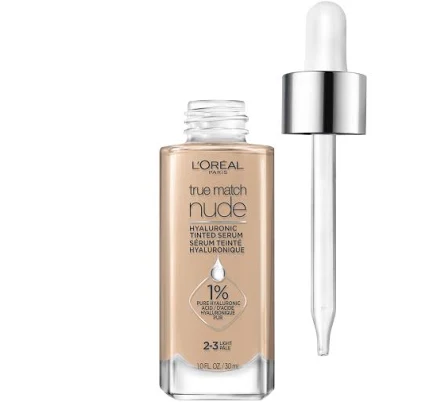
- water, hyaluronic acid, glycerin, pigments, emollients
- We found no PFAS statement from the brand
- 1,4-dioxane contamination from emulsifiers
3 hazards checked on this product, all on its full breakdown.
- pigments, oils, waxes, polymers (standard cosmetic formulations)
- We found no PFAS statement from the brand
- Fragrance allergens or 1,4-dioxane in fragrances
- pigments, waxes, oils, talc, mica
- We found no PFAS statement from the brand
- Fragrance allergens
More makeup grades
How we score, every product runs through the same public 0-100 rubric based on materials, coatings, brand disclosure, lab findings, and recalls. See the full methodology → Spotted a mistake? Report an error.