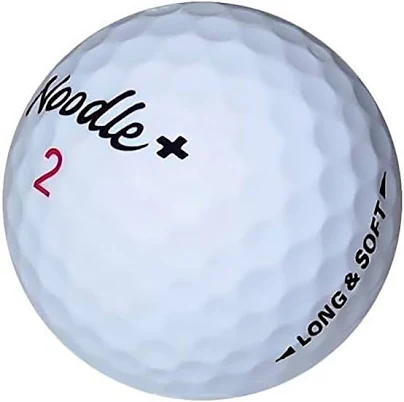
Nike Golf Ball
Lower concern. Golf balls rarely use PFAS; no evidence of intentional PFAS use.
Golf ball covers are typically polyurethane-based without inherent PFAS need. Nike does not disclose PFAS information.
We flunk more products than we pass. This one earned its grade. How we grade
Material
Synthetic rubber/elastomer core, urethane/polyurethane cover
Lab data
No public lab test
You may also be interested in
Top-graded picks in the categories readers replace first, every one scored on the same rubric.

- polypropylene filter housing, carbon/sediment cartridge
- We found no PFAS statement from the brand
- Bacterial growth in spent cartridges
3 hazards checked on this product, all on its full breakdown.

Aquasure
Premier Series 75 GPD Under Sink Reverse Osmosis Water Filtration System
- RO membrane, carbon filters, stainless steel housing
- We found no PFAS statement from the brand
- Bacterial and microbial growth in housing and filters
4 hazards checked on this product, all on its full breakdown.

Avocado
Vegan Mattress
- organic cotton, natural latex, coconut coir, recycled steel coils
- The brand calls it PFAS-free, which we have not verified
- Heavy metals
2 hazards checked on this product, all on its full breakdown.
What Nike Golf Ball is made of, ingredients and materials
Nike Golf balls consist of a synthetic rubber or elastomer core surrounded by a polyurethane or urethane cover, the industry standard for performance balls. Polyurethane is a stable, non-volatile polymer that does not off-gas significantly under normal conditions and is not classified as a hazardous material in the finished product form. The elastomer core provides durability and responsiveness; neither component is known to leach toxic substances during typical use (striking, handling, storage in moderate conditions).
What’s concerning
Category baseline
The starting point for this type of product, before anything specific to this product is counted.
No PFAS disclosure
No public statement from the brand about PFAS in this product.
Microplastic shedding during use or degradation
Golf balls do shed microparticles over long-term play and weathering, particularly when the cover scuffs or delaminates. This is a known environmental concern for golf courses but poses no direct health risk to the user during normal handling or play.
What’s reassuring
Base material not linked to PFAS
The main material recorded for this product is not one associated with PFAS.
Polyurethane degradation and off-gassing
Polyurethane golf ball covers are chemically stable during normal use and storage. No credible evidence of volatile organic compound (VOC) release from finished Nike Golf balls under ambient or play conditions.
Heavy metals
Synthetic rubber and polyurethane used in golf ball manufacture are not known to contain lead, cadmium, or arsenic. No testing or recalls from Nike or competitors indicate this hazard.
Source, FDA ↗Inhalation risk from manufacturing or processing
No evidence of hazardous dust, fume, or particulate emission from finished Nike Golf balls during consumer use. Manufacturing-site air quality is not a consumer-facing hazard.
Chemical leaching during storage or exposure to heat or moisture
Polyurethane and elastomer are hydrophobic and chemically inert under normal environmental conditions. No leaching of additives or solvents into water or soil is documented for golf balls, and no special storage precautions beyond temperature moderation are required.
How is this PFAS grade calculated?
The brand's record and disclosure
Nike has not publicly disclosed ingredient or chemical composition details for its golf balls, which is typical for the sports equipment industry and reflects no particular transparency gap. Nike's broader apparel and footwear lines have faced scrutiny for PFAS use in water-resistant coatings, but golf balls do not require such treatments. No recalls, safety violations, or documented manufacturing concerns are on record for Nike Golf balls.
How it compares in its category
Golf balls across major brands (Titleist, Callaway, Bridgestone, TaylorMade, Nike) use nearly identical material architectures, elastomer cores and polyurethane covers. None are known to contain intentional PFAS or regulated heavy metals. Nike Golf balls occupy the mid-to-premium performance segment and are chemically indistinguishable from competitors in terms of material safety; differences are in aerodynamic design and durability, not toxicity.
If you buy it
Store golf balls in cool, dry conditions away from direct sunlight, which can degrade polyurethane over years of storage. There are no heat-exposure or food-contact concerns; normal play and handling pose no chemical risk. Replace balls when the cover scuffs or cracks, as this does not pose a leaching hazard but reduces performance. No special cleaning beyond mild soap and water is necessary.
What is not known about PFAS in this product?
- Basis
- Model estimate, 72% confidence, not a lab result
- Lab test
- None on record for this exact product
- Brand statement
- Nike has made a specific claim
Formulations change between production runs, so check the current label. How we grade.
More golf balls & equipment grades
How we score, every product runs through the same public 0-100 rubric based on materials, coatings, brand disclosure, lab findings, and recalls. See the full methodology → Spotted a mistake? Report an error.