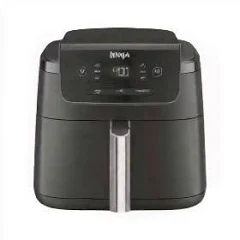
Ninja Air Fryer Pro XL 5-Qt 3-in-1 400f Air Crisp Technology Nonstick Crisper Plate
Skip until Ninja reveals crisper plate coating materials or certification.
This Ninja model highlights its air crisp technology but keeps the crisper plate coating formula secret. No PFAS-free claim or third-party testing exists for the proprietary nonstick coating.
The better-graded swap
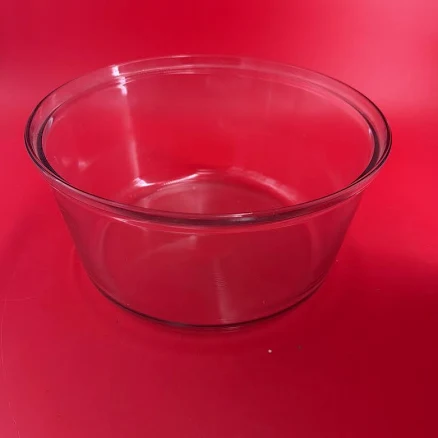
Big Boss
Big Boss Oil Less Fryer Air Fryer 16 Quart Replacement Clear Glass
75/100 safety
Same rubric that flunked this product. The swap earned Excellent.
Still want this one anyway? Check the price on Amazon. We’d swap it.
Material
Aluminum with proprietary nonstick crisper plate coating (unspecified)
Lab data
No public lab test
You may also be interested in
Top-graded picks in the categories readers replace first, every one scored on the same rubric.

- polypropylene filter housing, carbon/sediment cartridge
- We found no PFAS statement from the brand
- Bacterial growth in spent cartridges
3 hazards checked on this product, all on its full breakdown.

Aquasure
Premier Series 75 GPD Under Sink Reverse Osmosis Water Filtration System
- RO membrane, carbon filters, stainless steel housing
- We found no PFAS statement from the brand
- Bacterial and microbial growth in housing and filters
4 hazards checked on this product, all on its full breakdown.

Avocado
Vegan Mattress
- organic cotton, natural latex, coconut coir, recycled steel coils
- The brand calls it PFAS-free, which we have not verified
- Heavy metals
2 hazards checked on this product, all on its full breakdown.
What Ninja Air Fryer Pro XL 5-Qt Crisper Plate is made of, ingredients and materials
The Ninja Air Fryer Pro XL combines aluminum housing and cooking chamber with a proprietary nonstick crisper plate of unspecified composition. Aluminum cookware can leach small amounts of the metal into food, especially at high temperatures (400F operates near the threshold of concern). The nonstick coating is the critical unknown, without transparency, you cannot verify whether it contains Teflon-type coating (polytetrafluoroethylene), which can release toxic fumes if overheated, or newer alternatives like ceramic or silicone-based compounds.
What’s concerning
Category baseline
The starting point for this type of product, before anything specific to this product is counted.
Vague safety claims only
Uses vague language ("eco-friendly", "clean") without a specific PFAS statement.
Non-stick, chemistry undisclosed
Marketed as non-stick without stating the coating chemistry.
Teflon-type coating thermal degradation (fume inhalation risk)
If the unspecified nonstick coating contains Teflon-type coating, overheating beyond 400F can release polytetrafluoroethylene fumes associated with polymer fume fever. This product operates at the thermal boundary where risk becomes material; exact risk depends on coating identity, which Ninja has not disclosed.
Aluminum leaching into food
Aluminum cookware at 400F can transfer small amounts of aluminum into fatty or acidic foods. For occasional use this poses minimal risk, but frequent air frying, especially of acidic or high-fat items, may accumulate dietary aluminum intake over time.
Nonstick coating degradation and peeling
User reports on retail sites document crisper plate coating wear after 6-18 months of regular use, particularly with dishwasher cleaning. Peeling coating fragments entering food is a documented failure mode for aluminum nonstick cookware in this category; replacement baskets are available but not always affordable.
Undisclosed proprietary coating chemistry
Ninja's refusal to name the crisper plate coating material or provide PFAS-free certification is itself a hazard signal in a market moving toward transparency. This prevents consumer assessment of specific chemical risks and suggests either use of Teflon-type coating or reluctance to disclose legacy materials.
What’s reassuring
Heat-induced off-gassing from housing plastics
The aluminum housing may contain plastic electrical components or insulation; no documented VOC or formaldehyde off-gassing complaints have been recorded for this model, and air fryers typically operate at lower risk than enclosed ovens in this regard.
How is this PFAS grade calculated?
The brand's record and disclosure
Ninja has not publicly committed to PFAS-free cookware or disclosed the specific chemistry of its crisper plate coating. This lack of transparency is notable in a market where competitors increasingly provide material certifications. No major product recalls tied to coating failure or chemical leaching have been documented for this model. However, Ninja's silence on this question, standard in their product literature and customer support materials, makes independent safety verification difficult.
How it compares in its category
Air fryer safety hazards cluster around nonstick coatings and aluminum contact with food. The Ninja Pro XL sits in the mid-to-premium segment where competitors like Cosori and Instant Pot increasingly offer PFAS-free certifications or ceramic alternatives. Most leading brands remain opaque on Teflon-type coating use, so Ninja is not uniquely problematic, but the 5-quart size and high 400F ceiling increase surface area and temperature stress on the coating.
If you buy it
Never exceed manufacturer temperature limits (400F); sustained overheating is the primary trigger for nonstick fume release. Hand-wash the crisper plate rather than dishwasher to reduce mechanical wear; inspect regularly for scratching, peeling, or discoloration, and replace the basket/plate if damage is visible. Ensure adequate kitchen ventilation during use. Do not use metal utensils on the crisper surface. If you experience any unusual odors during operation, stop immediately and contact Ninja support.
What is not known about PFAS in this product?
- Basis
- Model estimate, 42% confidence, not a lab result
- Lab test
- None on record for this exact product
- Brand statement
- Ninja has made a specific claim
Formulations change between production runs, so check the current label. How we grade.
What are the PFAS-free alternatives to Ninja Air Fryer Pro XL 5-Qt 3-in-1 400f Air Crisp Technology Nonstick Crisper Plate?
- borosilicate glass, bare uncoated
- We found no PFAS statement from the brand
- Thermal shock and fracture
2 hazards checked on this product, all on its full breakdown.
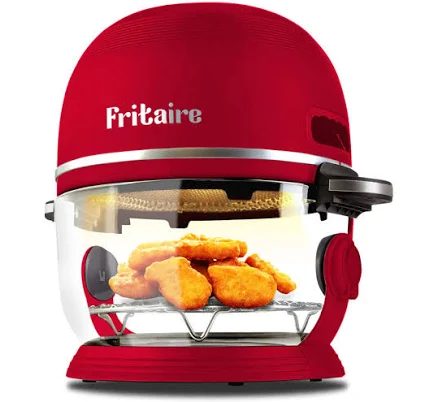
- borosilicate glass
- We found no PFAS statement from the brand
- Aluminum leaching from base/housing
4 hazards checked on this product, all on its full breakdown.
Find an alternative on Amazon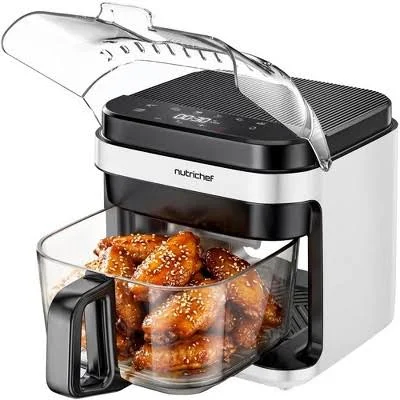
- glass bowl, stainless steel exterior
- We found no PFAS statement from the brand
- Thermal stress and glass breakage
2 hazards checked on this product, all on its full breakdown.
Find an alternative on AmazonMore air fryers grades
How we score, every product runs through the same public 0-100 rubric based on materials, coatings, brand disclosure, lab findings, and recalls. See the full methodology → Spotted a mistake? Report an error.