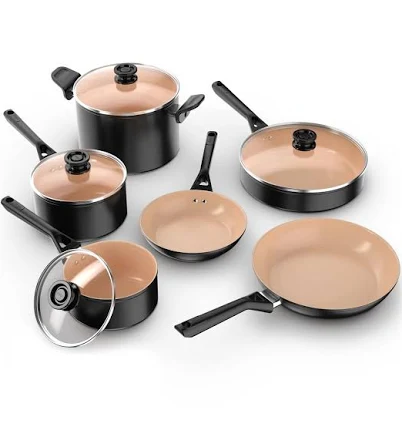
Ninja Extended Life Ceramic Select 10-Piece Cookware Set CK89010BF, Is It Non-Toxic?
Avoid until Ninja explains what the nonstick coating actually contains.
Ninja calls this ceramic select nonstick but reveals nothing about the actual coating chemistry or PFAS presence. Ceramic branding often masks Teflon-family coating bases or hidden additives underneath.
The better-graded swap
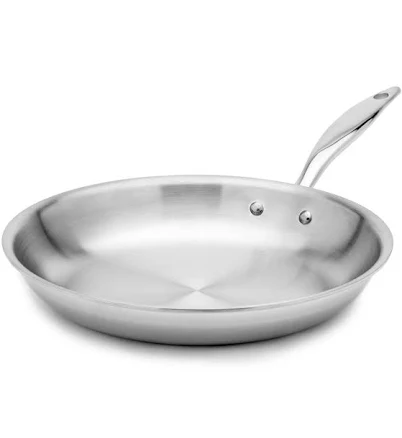
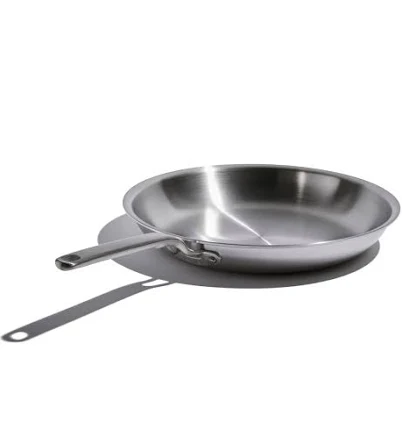
Heritage Steel
Heritage Steel Fry Pan
100/100 safety
Same rubric that flunked this product. The swap earned Excellent.
Still want this one anyway? Check the price on Amazon. We’d swap it.
Material
ceramic-coated aluminum; nonstick coating unspecified
Lab data
No public lab test
You may also be interested in
Top-graded picks in the categories readers replace first, every one scored on the same rubric.

- polypropylene filter housing, carbon/sediment cartridge
- We found no PFAS statement from the brand
- Bacterial growth in spent cartridges
3 hazards checked on this product, all on its full breakdown.

Aquasure
Premier Series 75 GPD Under Sink Reverse Osmosis Water Filtration System
- RO membrane, carbon filters, stainless steel housing
- We found no PFAS statement from the brand
- Bacterial and microbial growth in housing and filters
4 hazards checked on this product, all on its full breakdown.

Avocado
Vegan Mattress
- organic cotton, natural latex, coconut coir, recycled steel coils
- The brand calls it PFAS-free, which we have not verified
- Heavy metals
2 hazards checked on this product, all on its full breakdown.
Is Ninja Extended Life Ceramic Set CK89010BF non-toxic? What it is made of
This set uses aluminum cores with ceramic-based nonstick coatings. Ceramic coatings are marketed as PFOA/Teflon-type coating-free alternatives, but Ninja has not publicly disclosed the specific chemistry of their nonstick layer, leaving uncertainty about whether alternative fluorinated compounds (PFAS) are present. Aluminum itself is reactive and can leach into acidic or salty foods, though ceramic coating should act as a barrier when intact. The durability of ceramic coatings over time is a known weak point in this product class, and degradation exposes the aluminum underneath.
What’s concerning
Category baseline
The starting point for this type of product, before anything specific to this product is counted.
No PFAS disclosure
No public statement from the brand about PFAS in this product.
Non-stick, chemistry undisclosed
Marketed as non-stick without stating the coating chemistry.
Ceramic coating degradation and aluminum leaching
Ceramic nonstick coatings on aluminum cookware typically show wear within 1-3 years; once compromised, aluminum can leach into food, especially in acidic dishes. This is the primary durability concern for this product tier.
Unidentified nonstick chemistry (non-PFOA/Teflon-type coating claims lack specificity)
Ninja's use of 'ceramic' branding does not confirm absence of PFAS alternatives (such as GenX or other fluorinated compounds). Without detailed disclosure, the actual nonstick ingredient chemistry remains unclear.
Thermal stress and coating flaking if overheated
Users have documented ceramic coating peeling and flaking in online reviews of similar Ninja cookware sets when exposed to high direct heat or rapid temperature swings, indicating the coating's thermal stability may be limited.
Aluminum reactivity if coating fails
Aluminum cookware can react with acidic foods (tomatoes, vinegar, citrus) and transfer small amounts into food; this risk is contained by an intact ceramic barrier but rises once coating damage occurs.
What’s reassuring
Lead
No recalls or test reports documenting lead/cadmium contamination in this specific Ninja model or brand's ceramic cookware line are on record. Ceramic coatings from reputable manufacturers typically do not use these heavy metals, but independent testing would be required for confirmation.
Source, ATSDR ↗How is this PFAS grade calculated?
The brand's record and disclosure
Ninja has not issued public statements on PFAS avoidance or nonstick chemistry transparency for cookware. The brand does not appear to hold third-party certifications (such as GreenGuard or similar) for cookware safety. No established recalls or major safety controversies specific to this model are on record. This silence on nonstick ingredients is typical for brands that have not committed to fluorine-free manufacturing, and it is a meaningful gap given consumer interest in PFAS avoidance.
How it compares in its category
Ceramic-coated aluminum sets are mid-range in the cookware safety spectrum. They have lower concern than older Teflon-type coating/PFOA nonstick if the coating holds, but less durability than stainless steel or well-maintained cast iron, and typically more prone to chipping and peeling than premium ceramic or enameled cast iron. Ninja's price point and mainstream positioning suggest this is entry-level ceramic, which often shows coating degradation within 1-3 years of regular use. Brands like GreenPan and Our Place explicitly market PFAS-free status, offering clearer alternatives if PFAS avoidance is a priority.
If you buy it
Avoid high heat (stay below medium-high); ceramic coatings degrade faster at sustained high temperatures and are more prone to flaking. Hand wash rather than dishwasher to extend coating life. Inspect the coating regularly for scratches, peeling, or discoloration, which signal that leaching risk increases and replacement should be considered. Use wooden or silicone utensils, never metal. Do not use cooking sprays, which can build up and accelerate coating breakdown. If the coating chips or peels noticeably, discontinue use to avoid aluminum exposure.
What is not known about PFAS in this product?
- Basis
- Model estimate, 45% confidence, not a lab result
- Lab test
- None on record for this exact product
- Brand statement
- Ninja has made a specific claim
Formulations change between production runs, so check the current label. How we grade.
What are the PFAS-free alternatives to Ninja Extended Life Ceramic Select 10-Piece Cookware Set CK89010BF?
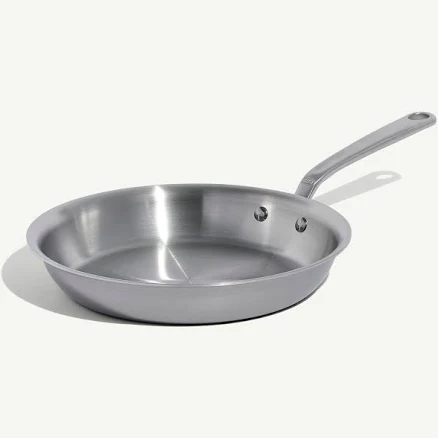
- Stainless steel clad construction, no nonstick coating
- The brand calls it PFAS-free, which we have not verified
- Clad separation or delamination over time
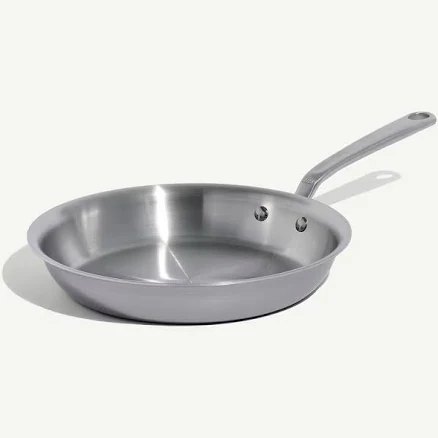
- stainless steel clad construction, no nonstick coating
- The brand calls it PFAS-free, which we have not verified
- Nickel leaching from stainless steel
3 hazards checked on this product, all on its full breakdown.
- Clad stainless steel, no coating
- The brand calls it PFAS-free, which we have not verified
- Metal ion release during cooking (iron, nickel, chromium)
More cookware grades
How we score, every product runs through the same public 0-100 rubric based on materials, coatings, brand disclosure, lab findings, and recalls. See the full methodology → Spotted a mistake? Report an error.