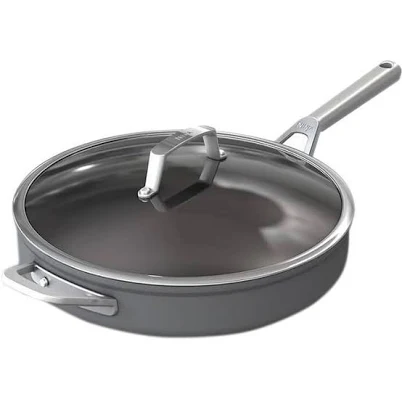
Ninja Foodi NeverStick Premium Saute Pan with Glass Lid, Is It Non-Toxic?
Skip until Ninja reveals coating chemistry or confirms PFAS testing.
Ninja's proprietary NeverStick coating lacks public disclosure about PFAS, Teflon-type coating, or alternative materials. The brand makes performance claims without addressing PFAS concerns or offering third-party proof.
The better-graded swap
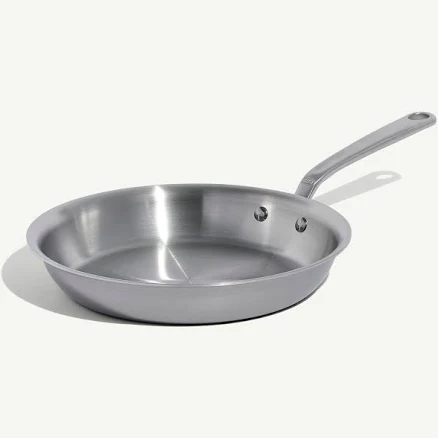
Made In
Made In Stainless Clad Fry Pan
100/100 safety
Same rubric that flunked this product. The swap earned Excellent.
Still want this one anyway? Check the price on Amazon. We’d swap it.
Material
Nonstick coating (type unspecified); aluminum/stainless steel base
Lab data
No public lab test
You may also be interested in
Top-graded picks in the categories readers replace first, every one scored on the same rubric.

- polypropylene filter housing, carbon/sediment cartridge
- We found no PFAS statement from the brand
- Bacterial growth in spent cartridges
3 hazards checked on this product, all on its full breakdown.

Aquasure
Premier Series 75 GPD Under Sink Reverse Osmosis Water Filtration System
- RO membrane, carbon filters, stainless steel housing
- We found no PFAS statement from the brand
- Bacterial and microbial growth in housing and filters
4 hazards checked on this product, all on its full breakdown.

Avocado
Vegan Mattress
- organic cotton, natural latex, coconut coir, recycled steel coils
- The brand calls it PFAS-free, which we have not verified
- Heavy metals
2 hazards checked on this product, all on its full breakdown.
Is Ninja Foodi NeverStick Premium Glass Lid non-toxic? What it is made of
This pan combines an aluminum core with a nonstick coating of undisclosed chemistry, topped with a stainless steel cooking surface layer. Aluminum is lightweight and heats quickly but can leach into acidic foods if the nonstick barrier degrades. The glass lid typically uses silicone seals and stainless hardware; the real concern is how long the nonstick coating remains intact and whether it contains legacy PFAS compounds (which Ninja has not publicly disclosed).
What’s concerning
Category baseline
The starting point for this type of product, before anything specific to this product is counted.
Vague safety claims only
Uses vague language ("eco-friendly", "clean") without a specific PFAS statement.
Non-stick, chemistry undisclosed
Marketed as non-stick without stating the coating chemistry.
Aluminum leaching
If the nonstick coating degrades or is scratched, aluminum can leach into acidic foods (tomato sauce, vinegar, citrus). Chronic aluminum exposure is studied but not conclusively linked to disease at typical dietary levels; scratch prevention is the practical control.
Nonstick coating degradation and fume inhalation
All nonstick coatings degrade with use and heat. If overheated above 500 degrees Fahrenheit (accidental or preheating), unspecified fluorinated coatings may release irritant fumes. Ninja's silence on coating type prevents assessment of fume composition or temperature tolerance.
Teflon-type coating fume risk (heat-related)
Ninja does not specify whether the coating is Teflon-type coating-based or Teflon-type coating-free. If Teflon-type coating, overheating can produce polymer fume fever symptoms (temporary flu-like illness). Adherence to temperature guidelines mitigates this, but lack of clarity on coating type is a gap.
Coating adhesion and peeling
User reports online document peeling or flaking of nonstick coating after 1 to 2 years of normal use on Ninja cookware products. Once coating separates, it may be ingested or allow aluminum leaching; discard the pan if peeling is observed.
What’s reassuring
Glass lid thermal stress and breakage
No documented failures specific to this lid design. Standard borosilicate glass lids are thermally resistant, but rapid temperature changes (cold water on hot glass) can cause breakage, posing cut hazard; handle normally and avoid thermal shock.
How is this PFAS grade calculated?
The brand's record and disclosure
Ninja (SharkNinja Operating LLC) has not published detailed information about the chemistry of its nonstick coatings or compliance with PFAS phase-out commitments. The brand does not advertise Teflon-type coating-free, PFOA-free, or other coating certifications on this product line. No recalls specific to this pan for coating failure or leaching have been publicly documented, but the lack of transparency is a material gap for informed buyers.
How it compares in its category
Most premium nonstick cookware in this price tier uses either proprietary fluorinated coatings or ceramic alternatives. Ceramic pans avoid PFAS entirely but are more brittle; aluminum-core nonstick pans are common but vary widely in coating durability and chemical safety. Without Ninja's coating specification, this pan sits in the middle of the risk spectrum, better than budget nonstick, but less transparent than brands offering PFOA-free or Teflon-type coating-free guarantees.
If you buy it
Keep temperatures below 400 degrees Fahrenheit (manufacturer data supports this); higher heat accelerates coating breakdown and increases fume risk. Hand wash with soft sponges to preserve the nonstick layer and avoid aluminum exposure from scratches. Inspect the coating quarterly for flaking, discoloration, or bare spots; discard if coating is visibly damaged. Replace every 3 to 5 years even with proper care, as nonstick coatings degrade over time.
What is not known about PFAS in this product?
- Basis
- Model estimate, 35% confidence, not a lab result
- Lab test
- None on record for this exact product
- Brand statement
- Ninja has made a specific claim
Formulations change between production runs, so check the current label. How we grade.
What are the PFAS-free alternatives to Ninja Foodi NeverStick Premium Saute Pan with Glass Lid?
- Stainless steel clad construction, no nonstick coating
- The brand calls it PFAS-free, which we have not verified
- Clad separation or delamination over time
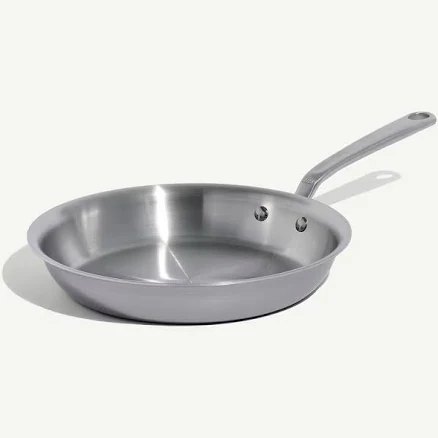
- stainless steel clad construction, no nonstick coating
- The brand calls it PFAS-free, which we have not verified
- Nickel leaching from stainless steel
3 hazards checked on this product, all on its full breakdown.
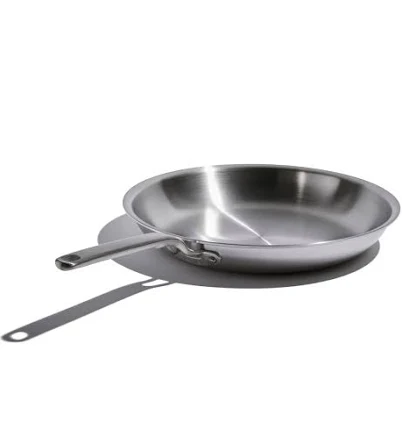
- Clad stainless steel, no coating
- The brand calls it PFAS-free, which we have not verified
- Metal ion release during cooking (iron, nickel, chromium)
More cookware grades
How we score, every product runs through the same public 0-100 rubric based on materials, coatings, brand disclosure, lab findings, and recalls. See the full methodology → Spotted a mistake? Report an error.