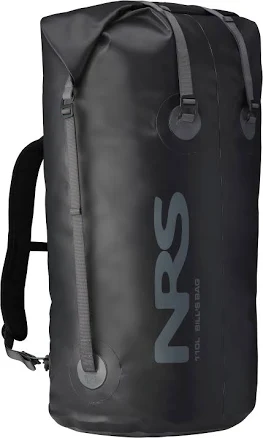
NRS · Waterproof Bags & Luggage
NRS 110L Bill's Bag Dry Bag
Waterproof coating chemistry not stated, common source of PFAS concern.
NRS has no PFAS statement on record for this dry bag. The proprietary waterproof coating's chemistry is not stated. water-repellent coating treatments have historically used PFAS.
The better-graded swap
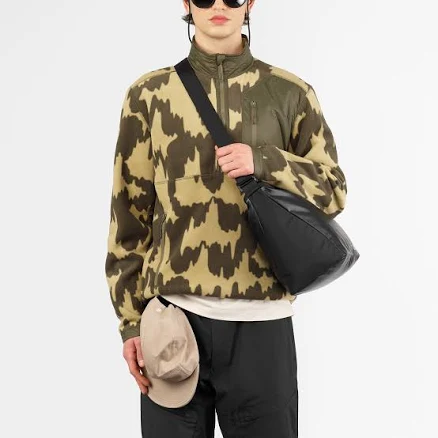
Salomon
Salomon Extended Totebag
85/100 safety
Same rubric that flunked this product. The swap earned Excellent.
Still want this one anyway? Check the price on Amazon. We’d swap it.
Material
Nylon with proprietary waterproof coating
Brand disclosure
Brand is silent on PFAS
Lab data
No public lab test
You may also be interested in
Top-graded picks in the categories readers replace first, every one scored on the same rubric.

- polypropylene filter housing, carbon/sediment cartridge
- We found no PFAS statement from the brand
- Bacterial growth in spent cartridges
3 hazards checked on this product, all on its full breakdown.

Aquasure
Premier Series 75 GPD Under Sink Reverse Osmosis Water Filtration System
- RO membrane, carbon filters, stainless steel housing
- We found no PFAS statement from the brand
- Bacterial and microbial growth in housing and filters
4 hazards checked on this product, all on its full breakdown.

Avocado
Vegan Mattress
- organic cotton, natural latex, coconut coir, recycled steel coils
- The brand calls it PFAS-free, which we have not verified
- Heavy metals
2 hazards checked on this product, all on its full breakdown.
What NRS 110L Bill's Bag Dry Bag is made of, ingredients and materials
The NRS 110L Bill's Bag uses nylon fabric with a proprietary waterproof topcoat. Waterproof nylon bags almost universally rely on fluorocarbon-based coatings (Teflon-type coating, PFC, or similar polymers) to achieve water repellency; NRS does not publicly disclose whether their coating is PFAS-based, which is a red flag in the industry. Nylon itself is chemically stable and does not leach under normal use, but the coating longevity and composition are the primary safety concern.
What’s concerning
Category baseline
The starting point for this type of product, before anything specific to this product is counted.
No PFAS disclosure
No public statement from the brand about PFAS in this product.
Waterproof / stain-resistant treatment
Water-repellent coating treatments have historically used PFAS.
PFAS
NRS provides no composition data for the proprietary waterproof topcoat. Industry standard for nylon dry bags is fluorocarbon-based, which typically contains PFAS or their precursors. Without third-party testing or brand disclosure, assume potential bioaccumulative chemical exposure if coating sheds or off-gases in confined spaces.
Source, ATSDR ↗Microplastics
Nylon dry bags with polyurethane or acrylic-based waterproof coatings are known to flake and degrade with age, UV exposure, and mechanical stress (folding, compression). Shed coating particles are a documented concern in synthetic textile durability literature, though no specific NRS recall exists for this model.
Source, EPA ↗Off-gassing in enclosed spaces
New synthetic nylon bags may release volatile organic compounds (VOCs) from adhesives, dyes, and coatings, especially if stored in hot, enclosed spaces. Air the bag thoroughly before storing food, water, or sensitive items; this is standard practice for all nylon gear.
What’s reassuring
Azo dyes in nylon fabric
NRS does not publish dye supplier or composition data. Nylon textiles may use restricted azo dyes in some production batches, but no brand-specific violations or recalls are on record for the Bill's Bag line.
Formaldehyde / VOCs
Commercial nylon textiles sometimes use formaldehyde-based resins for crease resistance or shrinkage control. NRS does not disclose finishing chemistry; no complaints or testing reports are publicly available for this model.
Source, ATSDR ↗How is this PFAS grade calculated?
The brand's record and disclosure
NRS (Northwest River Supplies) is a well-established outdoor gear manufacturer with no public chemical disclosure policy or PFAS elimination commitment on record. The brand has no documented recalls for coating degradation or chemical leaching specific to this model. However, the absence of transparency on waterproof coating chemistry is standard industry negligence for adventure-gear suppliers and suggests the company has not prioritized this concern.
How it compares in its category
Most mainstream dry bags (including competitors like Sea to Summit, Ortlieb, and even budget alternatives) also use undisclosed fluorocarbon coatings. NRS's Bill's Bag is not an outlier in this respect, but premium brands have begun offering PFAS-free alternatives using wax or silicone hybrid technologies. For this price point and durability profile, the NRS remains typical, not superior or inferior on chemical grounds.
If you buy it
Store the bag in a cool, dry place and avoid prolonged direct sunlight, which can degrade synthetic coatings over time. Do not apply heat, solvents, or aggressive detergents; rinse with cool water and mild soap only. Inspect the seams and coating annually for cracking or peeling; once coating integrity fails, water ingress increases and replacement is warranted. Do not use for storing foods or drinking water long-term, as coating micro-abrasion may shed particles.
What is not known about PFAS in this product?
- Basis
- Model estimate, 35% confidence, not a lab result
- Lab test
- None on record for this exact product
- Brand statement
- NRS has made none
Formulations change between production runs, so check the current label. How we grade.
What are the PFAS-free alternatives to NRS 110L Bill's Bag Dry Bag?
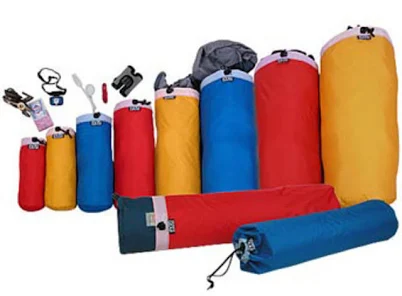
- Cordura nylon fabric
- We found no PFAS statement from the brand
- Heavy metals
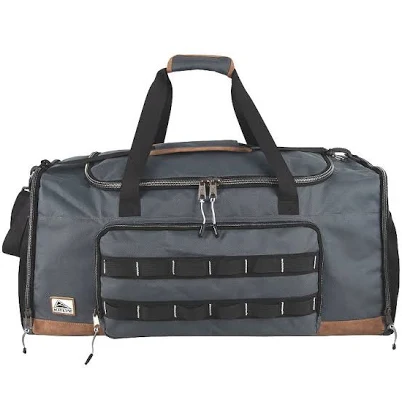
- Polyester webbing and nylon
- Azo dyes in polyester webbing
4 hazards checked on this product, all on its full breakdown.
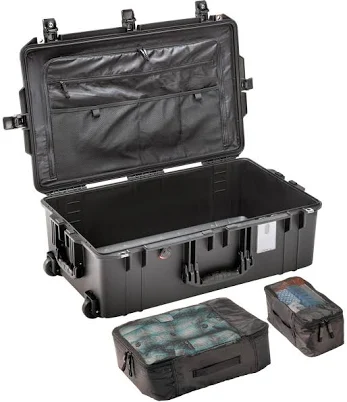
- Polypropylene shell, polyurethane foam, stainless steel hardware
- Polyurethane foam degradation and off-gassing
More waterproof bags & luggage grades
How we score, every product runs through the same public 0-100 rubric based on materials, coatings, brand disclosure, lab findings, and recalls. See the full methodology → Spotted a mistake? Report an error.