NRS · Waterproof Bags & Luggage
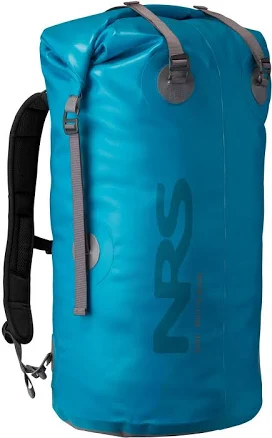
NRS Bill's 65L Dry Bag
water-repellent coating contents and PFAS status remain unknown from NRS.
A PVC dry bag with water-repellent coating from NRS that lacks any public disclosure about PFAS presence or what's in the protective treatment.
The better-graded swap
Kelty
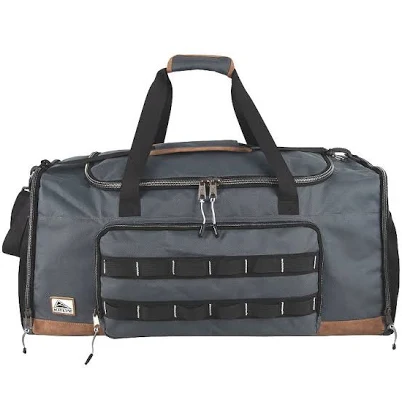
Kelty Daisy Chain Web Duffel Bag
85/100 safety
Same rubric that flunked this product. The swap earned Excellent.
Still want this one anyway? Check the price on Amazon. We’d swap it.
Material
PVC tarpaulin with water-repellent coating
Brand disclosure
Brand is silent on PFAS
Lab data
No public lab test
You may also be interested in
Top-graded picks in the categories readers replace first, every one scored on the same rubric.

- polypropylene filter housing, carbon/sediment cartridge
- We found no PFAS statement from the brand
- Bacterial growth in spent cartridges
3 hazards checked on this product, all on its full breakdown.

Aquasure
Premier Series 75 GPD Under Sink Reverse Osmosis Water Filtration System
- RO membrane, carbon filters, stainless steel housing
- We found no PFAS statement from the brand
- Bacterial and microbial growth in housing and filters
4 hazards checked on this product, all on its full breakdown.

Avocado
Vegan Mattress
- organic cotton, natural latex, coconut coir, recycled steel coils
- The brand calls it PFAS-free, which we have not verified
- Heavy metals
2 hazards checked on this product, all on its full breakdown.
What NRS Bill's 65L Dry Bag is made of, ingredients and materials
NRS Bill's 65L uses PVC tarpaulin as the core material, which is inherently stable and does not leach phthalates or BPA under normal storage and water-contact conditions. The critical component is the water-repellent coating (water-repellent coating) coating applied to the fabric; NRS does not publicly disclose whether this coating contains PFAS compounds, which are common in outdoor gear water-repellent coating treatments. PVC itself poses minimal hazard in a dry bag context since it is not heated, ingested, or in prolonged skin contact.
What’s concerning
Category baseline
The starting point for this type of product, before anything specific to this product is counted.
No PFAS disclosure
No public statement from the brand about PFAS in this product.
Waterproof / stain-resistant treatment
Water-repellent coating treatments have historically used PFAS.
water-repellent coating degradation and loss of water repellency
PVC-tarpaulin dry bags naturally shed water-repellent coating coatings after 2-5 years of use. While this does not release hazardous substances into water, it signals the bag is nearing end of life and may allow unintended water intrusion.
PVC thermal stability (heat-related decomposition)
If stored in direct sunlight or near heat sources above 50°C (122°F), PVC can release hydrogen chloride and other volatile compounds. This is unlikely in normal storage but possible in hot vehicles or near camp fires.
Seam integrity and water-tightness failure
Some users report that seams can degrade or fail after heavy use, allowing water to seep into the bag and potentially contact stored items. This is a functional defect rather than a chemical hazard.
PFAS
NRS does not confirm or deny PFAS use in the Bill's 65L water-repellent coating finish. Typical industry practice suggests a high likelihood of PFAS presence, making skin contact and product off-gassing a concern for sensitive individuals; graded separately at 20/100.
Source, ATSDR ↗What’s reassuring
Phthalate exposure from PVC (minimal in this use case)
Modern PVC dry bags typically use non-phthalate plasticizers; NRS does not disclose which type is used in this product. Skin contact and water immersion do not pose known leaching risk for this application.
How is this PFAS grade calculated?
The brand's record and disclosure
NRS (Northwest River Supplies) is an established outdoor gear manufacturer with a longstanding reputation for quality but has not published transparency reports on PFAS use in their coatings or commitments to PFAS-free alternatives. The company does not advertise certifications such as Bluesign or OEKO-TEX on this product. This silence around water-repellent coating chemistry is typical of many paddling-gear brands but leaves consumers without clear information about whether PFAS exposure occurs during normal handling.
How it compares in its category
Most commercial dry bags in the 60+ liter range use either PVC-coated materials (like this one) or polyurethane-coated fabrics, both of which commonly employ PFAS-based water-repellent coating finishes for water shedding. A few emerging brands (e.g.Sea to Summit with Hypalon-based products) are exploring alternatives not containing PFAS, but they command higher prices. For the price point and durability reputation, NRS is mid-market; the lack of PFAS disclosure puts it in line with most competitors rather than ahead.
If you buy it
Use the bag for its intended purpose (waterproof storage in paddling) without exposing it to direct flame or prolonged heat above 40°C (104°F), as PVC can degrade at elevated temperatures. Rinse with fresh water after saltwater use to minimize salt crystallization in seams. Inspect the coating annually for peeling or flaking; if the water-repellent coating visibly fails, the bag's water resistance declines but chemical leaching risk remains low. Store in a cool, dry place and avoid prolonged UV exposure, which can crack the PVC over time.
What is not known about PFAS in this product?
- Basis
- Model estimate, 45% confidence, not a lab result
- Lab test
- None on record for this exact product
- Brand statement
- NRS has made none
Formulations change between production runs, so check the current label. How we grade.
What are the PFAS-free alternatives to NRS Bill's 65L Dry Bag?
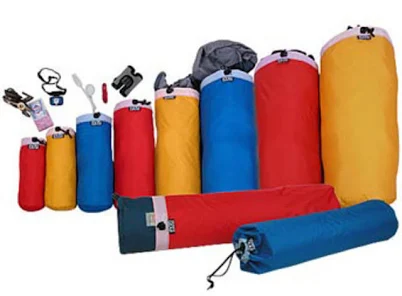
- Cordura nylon fabric
- We found no PFAS statement from the brand
- Heavy metals
- Polyester webbing and nylon
- Azo dyes in polyester webbing
4 hazards checked on this product, all on its full breakdown.
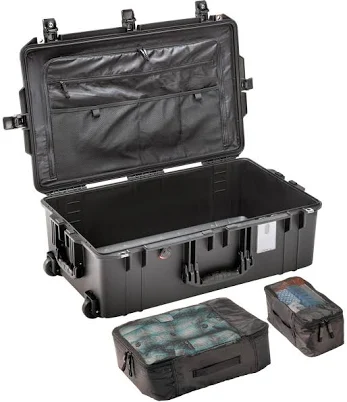
- Polypropylene shell, polyurethane foam, stainless steel hardware
- Polyurethane foam degradation and off-gassing
More waterproof bags & luggage grades
How we score, every product runs through the same public 0-100 rubric based on materials, coatings, brand disclosure, lab findings, and recalls. See the full methodology → Spotted a mistake? Report an error.