NRS · Waterproof Bags & Luggage
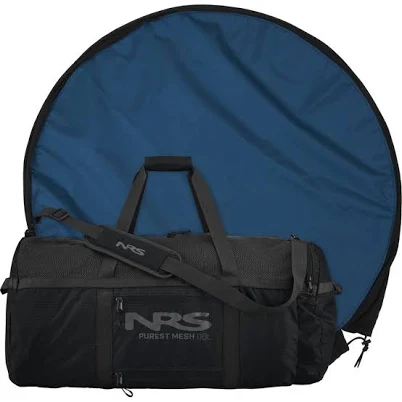
NRS Quick Change Duffel
Avoid until NRS reveals its waterproofing chemistry.
This durable water-resistant duffel uses a coating to repel water, but NRS keeps its water-repellent coating treatment formula private with no public PFAS information available.
The better-graded swap
Pelican
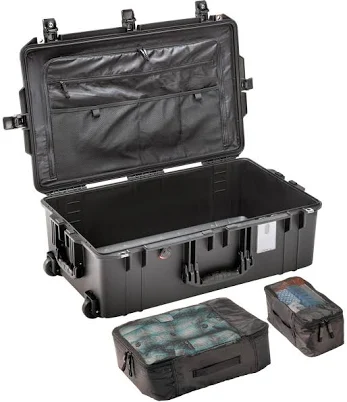
Pelican 1595 Air Travel Case
85/100 safety
Same rubric that flunked this product. The swap earned Excellent.
Still want this one anyway? Check the price on Amazon. We’d swap it.
Material
Nylon or polyester with water-repellent coating water-resistant treatment
Brand disclosure
Brand is silent on PFAS
Lab data
No public lab test
You may also be interested in
Top-graded picks in the categories readers replace first, every one scored on the same rubric.

- polypropylene filter housing, carbon/sediment cartridge
- We found no PFAS statement from the brand
- Bacterial growth in spent cartridges
3 hazards checked on this product, all on its full breakdown.

Aquasure
Premier Series 75 GPD Under Sink Reverse Osmosis Water Filtration System
- RO membrane, carbon filters, stainless steel housing
- We found no PFAS statement from the brand
- Bacterial and microbial growth in housing and filters
4 hazards checked on this product, all on its full breakdown.

Avocado
Vegan Mattress
- organic cotton, natural latex, coconut coir, recycled steel coils
- The brand calls it PFAS-free, which we have not verified
- Heavy metals
2 hazards checked on this product, all on its full breakdown.
What NRS Quick Change Duffel is made of, ingredients and materials
The NRS Quick Change Duffel is constructed from nylon or polyester fabric treated with a water-repellent coating (water-repellent coating) finish. water-repellent coating treatments historically relied on PFAS compounds (PFAS "forever chemicals"), though some newer formulations use alternatives with no PFAS detected in their composition. NRS has not publicly disclosed the specific chemistry of their water-repellent coating treatment, leaving the PFAS status unknown. The base nylon or polyester itself carries established but low-level risks around azo dyes and antimony (polyester stabilizer), though these are not migration hazards during typical use.
What’s concerning
Category baseline
The starting point for this type of product, before anything specific to this product is counted.
No PFAS disclosure
No public statement from the brand about PFAS in this product.
Waterproof / stain-resistant treatment
Water-repellent coating treatments have historically used PFAS.
PFAS
NRS has not disclosed whether their water-repellent coating treatment contains legacy PFAS compounds or newer fluorine-free alternatives. Standard industry practice until recent years relied heavily on PFAS; absence of public commitment to PFAS-free alternatives raises concern but does not confirm presence.
Source, ATSDR ↗VOC off-gassing from coatings
New water-repellent coating-treated fabrics may release volatile organic compounds (solvents, carriers) during the first days to weeks after manufacture. Typically odorous but not acutely toxic; confined storage in a garage or outdoor space allows off-gassing without indoor air impact.
Coating degradation and microfiber shedding
As the water-repellent coating ages and cracks, small polymer fragments may shed into water or the environment. This is not a direct human health hazard during use but contributes to microfiber pollution if laundered or disposed of improperly.
What’s reassuring
Azo dyes in nylon or polyester
Some azo dyes used in synthetic textiles can release carcinogenic amines under specific conditions (heavy sweat, high heat). No specific recalls or testing data for NRS duffels exists; risk during normal use is low but not zero, particularly if worn as apparel rather than as luggage.
Antimony in polyester base (if polyester)
Polyester textiles often contain antimony trioxide as a catalyst residue. Migration into skin or food contact is minimal during typical use; no documented risk from a duffel bag. Hazard is present in the material class but not a practical concern for this application.
How is this PFAS grade calculated?
The brand's record and disclosure
NRS (Northwest River Supplies) is an established outdoor gear manufacturer with no known major product recalls or safety controversies in the public record. However, the brand has not issued transparent statements about PFAS-free water-repellent coating chemistry or third-party testing of their water-resistant treatments. No B-Corp certification, Bluesign, or similar environmental/chemical accountability scheme is documented for this product line. This silence on a known industry concern (PFAS in water-repellent coating coatings) suggests either use of conventional PFAS-based treatments or lack of marketing emphasis on alternatives.
How it compares in its category
Outdoor duffels in this category typically use nylon with water-repellent coating finishes; NRS is mid-market in durability and cost. Competitors like Patagonia have publicly committed to PFAS-free water-repellent coating and third-party certification; brands like Arc'teryx disclose their coating chemistry more readily. Standard nylon duffels without water-repellent coating (or with polyester bases) avoid the PFAS question entirely but sacrifice water resistance. The NRS product sits in a gray zone, functional but opaque on chemical content compared to more transparent premium brands.
If you buy it
Store the duffel in a well-ventilated area for the first few weeks to allow any volatile off-gassing from the water-repellent coating to dissipate. Avoid machine washing or prolonged heat; hand rinse with cool water and mild soap, then air dry away from direct heat or sunlight. Do not dry-clean, as solvents can degrade the water-repellent coating and potentially mobilize PFAS if present. Replace the duffel if the coating visibly peels or delaminates, as this signals breakdown of the treatment layer.
What is not known about PFAS in this product?
- Basis
- Model estimate, 35% confidence, not a lab result
- Lab test
- None on record for this exact product
- Brand statement
- NRS has made none
Formulations change between production runs, so check the current label. How we grade.
What are the PFAS-free alternatives to NRS Quick Change Duffel?
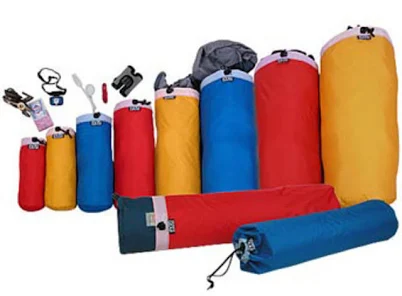
- Cordura nylon fabric
- We found no PFAS statement from the brand
- Heavy metals
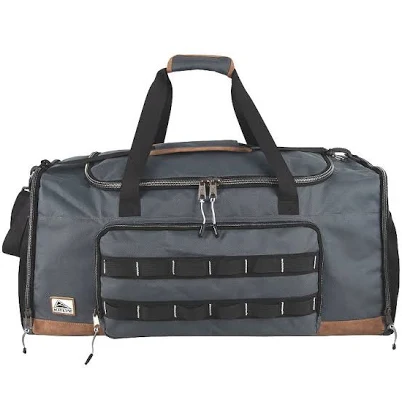
- Polyester webbing and nylon
- Azo dyes in polyester webbing
4 hazards checked on this product, all on its full breakdown.
- Polypropylene shell, polyurethane foam, stainless steel hardware
- Polyurethane foam degradation and off-gassing
More waterproof bags & luggage grades
How we score, every product runs through the same public 0-100 rubric based on materials, coatings, brand disclosure, lab findings, and recalls. See the full methodology → Spotted a mistake? Report an error.