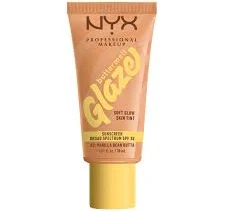
NYX Professional Makeup · Lip Balm & Long-Wear Lipstick
NYX Professional Makeup SPF 30 Vanilla Bean Butter Gloss
Lower-concern choice, but NYX provides no transparency.
Lip gloss with SPF typically uses natural and synthetic emollients rather than PFAS-heavy treatments. NYX doesn't publicly disclose PFAS information. No third-party testing or certification is advertised.
We flunk more products than we pass. This one earned its grade. How we grade
Material
Emollient blend with SPF (titanium dioxide or zinc oxide); typical lip gloss oils, waxes, butters
Brand disclosure
Brand is silent on PFAS
Lab data
No public lab test
What NYX Professional Makeup SPF 30 Vanilla is made of, ingredients and materials
This product combines emollient oils and waxes (typical, castor oil, beeswax, or synthetic equivalents) with titanium dioxide or zinc oxide for SPF protection. The 'butter' component is likely shea butter or cocoa butter, which are occlusive moisturizers. Mineral UV filters (titanium dioxide/zinc oxide) are physically blocking agents that sit on skin rather than absorbing into it, making them lower-risk than chemical sunscreen filters. The formulation is designed for topical lip use only, minimizing systemic absorption of any component.
What’s concerning
Category baseline
The starting point for this type of product, before anything specific to this product is counted.
No PFAS disclosure
No public statement from the brand about PFAS in this product.
Fragrance allergens and irritation
The 'Vanilla Bean' designation suggests added fragrance or flavoring compounds; individual sensitivity to fragrance is common but unpredictable. Lip area is sensitive; some users may experience contact dermatitis or mild burning, though this is not a product-specific defect.
Oil rancidity and oxidative degradation
Emollient oils (castor, coconut) naturally oxidize over time, particularly if stored warm or exposed to light. Rancid lip balm may irritate lips or cause unpleasant sensations but is not acutely toxic; replacement every 18-24 months is standard practice.
What’s reassuring
Base material not linked to PFAS
The main material recorded for this product is not one associated with PFAS.
Heavy metals
Titanium dioxide and zinc oxide are regulated as safe UV filters in cosmetics; concerns about heavy metal impurities (e.g., lead, cadmium) apply primarily to poorly sourced or counterfeit products. NYX products are mass-manufactured under standard QC; no contamination reports exist for this brand's lip formulas.
Source, FDA ↗1,4-dioxane contamination
1,4-dioxane is a trace impurity in some cosmetics, typically from ethoxylated ingredients. No published testing or recalls of NYX lip gloss products document this contaminant; it is not a known issue in this brand or category.
Mica and talc-derived particulates
Lip glosses may contain mica for shine; talc contamination is a concern primarily in powder products and body cosmetics where inhalation is possible. Topical lip application has minimal inhalation risk, and no talc concerns are documented for this product line.
The full breakdown
The brand's record and disclosure
NYX Professional Makeup is owned by L'Oreal and operates under standard cosmetic compliance (FDA oversight in the US, EU regulations in Europe). The brand does not publish detailed chemical transparency reports or third-party safety certifications. No major product recalls or safety controversies specific to NYX lip gloss products are on public record. The lack of proactive PFAS disclosure is consistent with most mass-market cosmetic brands, though it does not indicate presence.
How it compares in its category
Mineral SPF lip glosses are considered lower-risk than chemical sunscreen alternatives because titanium dioxide and zinc oxide avoid concerns about estrogenic activity or photoinstability. This product is mainstream and competitively formulated compared to drugstore alternatives (e.g., Maybelline, Revlon). Luxury indie brands (e.g., Glossier, Tower 28) often market slightly higher transparency, but NYX's formulation profile is standard and does not present outlier hazards.
If you buy it
Apply as directed; lip gloss is meant for topical use and occasional incidental ingestion poses minimal risk given the small volume. Store in cool, dry conditions to prevent separation or rancidity of oil components. Discard after 18-24 months or if the product smells rancid or shows visible separation; lip products stored in warm bathrooms degrade faster. Discontinue use if redness or contact irritation develops, though this is uncommon with standard lip gloss formulations.
What we don’t know
- Basis
- Model estimate, 72% confidence, not a lab result
- Lab test
- None on record for this exact product
- Brand statement
- NYX Professional Makeup has made none
Formulations change between production runs, so check the current label. How we grade.
More lip balm & long-wear lipstick grades
How we score, every product runs through the same public 0-100 rubric based on materials, coatings, brand disclosure, lab findings, and recalls. See the full methodology → Spotted a mistake? Report an error.