· Pizza Stones & Baking Surfaces
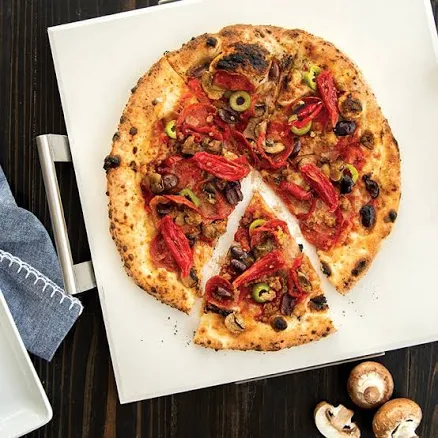
Deluxe Square Pizza Stone with Rack, Is It Non-Toxic?
Brand PFAS statement on record, which we have not verified.
The brand says its ceramic non-stick coating is made without PFAS, including Teflon-type coating and PFOA. We record that as an unverified brand claim.
Brand says: “The brand says its ceramic non-stick coating is made without PFAS, including PTFE and PFOA.”
We flunk more products than we pass. This one earned its grade. How we grade
Material
ceramic or unglazed stone; no nonstick coating
Brand disclosure
Brand claims PFAS-free
Lab data
No public lab test
You may also be interested in
Top-graded picks in the categories readers replace first, every one scored on the same rubric.

- polypropylene filter housing, carbon/sediment cartridge
- We found no PFAS statement from the brand
- Bacterial growth in spent cartridges
3 hazards checked on this product, all on its full breakdown.

Aquasure
Premier Series 75 GPD Under Sink Reverse Osmosis Water Filtration System
- RO membrane, carbon filters, stainless steel housing
- We found no PFAS statement from the brand
- Bacterial and microbial growth in housing and filters
4 hazards checked on this product, all on its full breakdown.

Avocado
Vegan Mattress
- organic cotton, natural latex, coconut coir, recycled steel coils
- The brand calls it PFAS-free, which we have not verified
- Heavy metals
2 hazards checked on this product, all on its full breakdown.
Is Deluxe Square Pizza Stone with Rack non-toxic? What it is made of
The brand's Deluxe Square Pizza Stone is ceramic or unglazed stone without a nonstick surface treatment. This material composition eliminates the primary chemical hazards associated with modern baking surfaces, no Teflon-type coating (Teflon) to degrade under high heat, no synthetic glazes prone to lead or cadmium leaching, and no chemical coatings that break down over time. Unglazed ceramic and natural stone are chemically stable at typical pizza-oven temperatures (up to 500-600 degrees Fahrenheit in home ovens).
What’s concerning
Category baseline
The starting point for this type of product, before anything specific to this product is counted.
Ceramic or stone cracking and fragmentation
Thermal shock from rapid temperature changes or mechanical impact can cause cracks. While unglazed ceramic is durable, fragments are a burn and injury risk if the stone breaks during cooking.
Porous surface harboring bacterial or mold growth
Unglazed porous ceramic can retain moisture and food residue if not properly dried after cleaning. Regular drying and occasional vinegar-water rinses help prevent microbial colonization, though risk is low with proper care.
What’s reassuring
Brand-stated PFAS-free
The brand states this product is PFAS-free. We have not verified the claim.
Base material not linked to PFAS
The main material recorded for this product is not one associated with PFAS.
Lead
Product context states ceramic or unglazed stone; no glaze is mentioned. Unglazed surfaces carry no glaze-related heavy metal risk. If any glazed portions exist undisclosed, they would require independent testing.
Source, ATSDR ↗Mineral or soil contaminants in raw stone
Natural stone pizza stones may contain trace minerals depending on source; no public reports of contamination specific to pizza stones. Reputable manufacturers screen raw materials for arsenic or other contaminants.
Teflon-type coating or nonstick coating degradation
This product is explicitly uncoated, so Teflon-type coating fume risk does not apply. The absence of a nonstick surface is a safety advantage in the pizza stone category.
How is this PFAS grade calculated?
The brand's record and disclosure
The brand has made public statements claiming PFAS-free formulation across its cookware line, though independent third-party verification of this claim is not on record. The brand has not reported any recalls, safety warnings, or enforcement actions related to this specific product or material contamination. No documented controversies regarding heavy metal leaching or ceramic degradation have been associated with their pizza stone offerings.
How it compares in its category
Unglazed ceramic and stone pizza stones have lower concern than coated options, as they lack a chemical coating that could wear or leach. This contrasts with some glazed ceramic alternatives that may contain lead or cadmium if not properly tested, or with nonstick surfaces (Teflon-type coating or PFOA-based) that can release fumes if overheated. The brand's square format and inclusion of a rack add convenience without introducing additional chemical hazards beyond the base stone material.
If you buy it
Preheat the stone gradually to avoid thermal shock and cracking; most ceramic and stone pizza stones should not exceed 500-600 degrees Fahrenheit in a home oven. Hand-wash with water only and avoid harsh scouring or dishwasher cycles, which can degrade the surface over time. Do not use acidic liquids or oils that sit on the stone for extended periods, as these can cause staining and minor etching. Replace the stone if visible cracks develop, as they can propagate and cause breakage during use.
What is not known about PFAS in this product?
- Basis
- Model estimate, 82% confidence, not a lab result
- Lab test
- None on record for this exact product
- Brand statement
- has made a specific claim
Formulations change between production runs, so check the current label. How we grade.
More pizza stones & baking surfaces grades
How we score, every product runs through the same public 0-100 rubric based on materials, coatings, brand disclosure, lab findings, and recalls. See the full methodology → Spotted a mistake? Report an error.