Emerson Creek Pottery · Pizza Stones & Baking Surfaces
Amazon.com: Emerson Creek Pottery Pizza Stone Unglazed with Handles, Olive Branch Art, 12 inch diameter: Home & Kitchen, Is It Non-Toxic?
Low concern. Unglazed ceramic pizza stone carries minimal PFAS risk.
Unglazed ceramic is an inherently lower-concern material for PFAS. No nonstick coating, water repellency treatment, or chemical finish typical of PFAS-containing products.
We flunk more products than we pass. This one earned its grade. How we grade
Material
Unglazed ceramic pottery
Brand disclosure
Brand is silent on PFAS
Lab data
No public lab test
You may also be interested in
Top-graded picks in the categories readers replace first, every one scored on the same rubric.

- polypropylene filter housing, carbon/sediment cartridge
- We found no PFAS statement from the brand
- Bacterial growth in spent cartridges
3 hazards checked on this product, all on its full breakdown.

Aquasure
Premier Series 75 GPD Under Sink Reverse Osmosis Water Filtration System
- RO membrane, carbon filters, stainless steel housing
- We found no PFAS statement from the brand
- Bacterial and microbial growth in housing and filters
4 hazards checked on this product, all on its full breakdown.

Avocado
Vegan Mattress
- organic cotton, natural latex, coconut coir, recycled steel coils
- The brand calls it PFAS-free, which we have not verified
- Heavy metals
2 hazards checked on this product, all on its full breakdown.
Is Amazon.com: Emerson Creek Pottery Kitchen non-toxic? What it is made of
This Emerson Creek pizza stone is unglazed ceramic pottery, meaning the clay body is fired but left without a surface glaze, enamel, or coating. Unglazed ceramic avoids the primary hazards associated with glazed cookware, lead and cadmium contamination in decorative glazes. The clay itself, when sourced and fired properly, does not inherently leach toxic metals into food, though raw clay quality and firing temperature matter for durability and safety.
What’s concerning
Category baseline
The starting point for this type of product, before anything specific to this product is counted.
No PFAS disclosure
No public statement from the brand about PFAS in this product.
Heavy metals
Unglazed ceramic clay can potentially leach trace metals if the clay source is contaminated or firing is incomplete; however, no testing results or complaints are on record for Emerson Creek products. Quality and sourcing of the clay are not publicly disclosed.
Source, FDA ↗Thermal shock and cracking
Unglazed ceramic pizza stones are prone to cracking from rapid temperature changes or thermal stress, not a toxicity hazard but a durability and safety issue. Cracks can create sharp edges and trap moisture, shortening product life.
Microbial growth in porous unglazed surface
Unglazed pottery is porous and can retain bacteria, moisture, and food residue in surface pits if not dried thoroughly after washing. This is a hygiene concern rather than a chemical toxicity risk but warrants proper maintenance.
What’s reassuring
Bare uncoated material
Recorded as a bare, uncoated material with no surface coating or treatment.
Lead
This product is unglazed, eliminating the primary vector for lead and cadmium contamination typical of glazed ceramics. No glaze, enamel, or decorative coating is present on the cooking surface.
Source, ATSDR ↗Teflon-type coating fume risk from non-stick coatings
Unglazed ceramic does not contain Teflon-type coating or similar synthetic non-stick coatings, so overheating fume hazards do not apply to this product.
How is this PFAS grade calculated?
The brand's record and disclosure
Emerson Creek Pottery is a small artisanal pottery producer with no public record of safety certifications, third-party testing, or material disclosures beyond product descriptions. The brand does not publicly disclose clay sourcing, firing temperatures, or testing for heavy metals. No recalls or safety controversies are on record for this product line. Absence of disclosure is common for small pottery makers but limits independent verification of raw material safety.
How it compares in its category
Unglazed ceramic pizza stones are considered lower-risk than glazed alternatives because they eliminate glaze-based lead and cadmium exposure. They are comparable in safety profile to other unglazed pottery and to modern commercial pizza stones made from high-fired cordierite or similar mineral composites. However, artisanal unglazed ceramics lack the quality-control standards and material certifications of mass-produced cookware, so batch-to-batch consistency is unknown.
If you buy it
Season the stone by heating it gradually in the oven (start at 200F, increase by 50F every 15 minutes to 500F) to allow moisture release and reduce thermal shock risk during use. Avoid sudden temperature changes; place the cold stone in a cold oven, then heat. Do not use acidic foods (tomato, vinegar, lemon) directly on the stone for extended periods, as ceramic can absorb odors and stains that may harbor bacteria over time. Hand-wash only; do not submerge. Replace if visible cracks develop, as they can trap moisture and lead to thermal failure.
What is not known about PFAS in this product?
- Basis
- Model estimate, 88% confidence, not a lab result
- Lab test
- None on record for this exact product
- Brand statement
- Emerson Creek Pottery has made none
Formulations change between production runs, so check the current label. How we grade.
What are the PFAS-free alternatives to Amazon.com: Emerson Creek Pottery Pizza Stone Unglazed with Handles, Olive Branch Art, 12 inch diameter: Home & Kitchen?
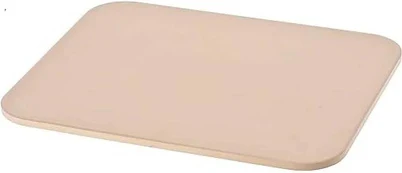
15-Inch Ceramic Pizza Stone for Perfect Crispy Crusts
- Ceramic (clay-based baking stone)
- The brand calls it PFAS-free, which we have not verified
- Glaze degradation and surface leaching
3 hazards checked on this product, all on its full breakdown.
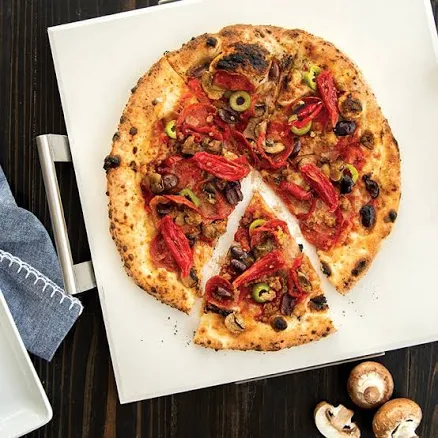
Deluxe Square Pizza Stone with Rack
- ceramic or unglazed stone; no nonstick coating
- The brand calls it PFAS-free, which we have not verified
- Ceramic or stone cracking and fragmentation
2 hazards checked on this product, all on its full breakdown.
More pizza stones & baking surfaces grades
How we score, every product runs through the same public 0-100 rubric based on materials, coatings, brand disclosure, lab findings, and recalls. See the full methodology → Spotted a mistake? Report an error.