American Metalcraft · Pizza Stones & Baking Surfaces
PSB16 16 Inch Round Pizza Stone Black, Is It Non-Toxic?
Lower concern. Pizza stones are bare ceramic with no applied coatings.
This product is uncoated cordierite ceramic, a heat-resistant material with no surface treatments. No PFAS concerns typical of bare ceramic cookware.
We flunk more products than we pass. This one earned its grade. How we grade
Material
Cordierite ceramic pizza stone
Brand disclosure
Brand is silent on PFAS
Lab data
No public lab test
You may also be interested in
Top-graded picks in the categories readers replace first, every one scored on the same rubric.

- polypropylene filter housing, carbon/sediment cartridge
- We found no PFAS statement from the brand
- Bacterial growth in spent cartridges
3 hazards checked on this product, all on its full breakdown.

Aquasure
Premier Series 75 GPD Under Sink Reverse Osmosis Water Filtration System
- RO membrane, carbon filters, stainless steel housing
- We found no PFAS statement from the brand
- Bacterial and microbial growth in housing and filters
4 hazards checked on this product, all on its full breakdown.

Avocado
Vegan Mattress
- organic cotton, natural latex, coconut coir, recycled steel coils
- The brand calls it PFAS-free, which we have not verified
- Heavy metals
2 hazards checked on this product, all on its full breakdown.
Is PSB16 16 Inch Round Pizza Stone Black non-toxic? What it is made of
The PSB16 is cordierite ceramic, a mineral composite engineered for thermal stability and direct-flame tolerance. Cordierite is inert when fired and does not leach metals or volatile compounds under normal cooking use. Unlike glazed ceramics, unglazed cordierite pizza stones rely on material density rather than surface coatings to prevent sticking and moisture absorption, eliminating risks from glaze lead, cadmium, or coating degradation over time.
What’s concerning
Category baseline
The starting point for this type of product, before anything specific to this product is counted.
No PFAS disclosure
No public statement from the brand about PFAS in this product.
Ceramic thermal shock and cracking
Cordierite is durable but can fracture if exposed to rapid temperature swings (e.g., moving from hot oven to cold counter). Hairline cracks may allow moisture to penetrate the body and create surface flaking or shedding at edges over time.
Surface contamination or poor manufacturing hygiene
As with any unglazed ceramic, dust, kiln residue, or contaminants can remain on the surface if not cleaned before first use. Wash the stone thoroughly with water before first use to remove any fine particulates.
What’s reassuring
Bare uncoated material
Recorded as a bare, uncoated material with no surface coating or treatment.
Lead
The PSB16 is unglazed cordierite; no glaze layer is present. Bare cordierite ceramic does not require or apply lead- or cadmium-containing glazes. This hazard is not applicable to this product.
Source, ATSDR ↗Aluminum leaching
Cordierite is a magnesium-iron-aluminum silicate mineral but is chemically stable when fired and does not leach metals under normal acidic or neutral cooking conditions. No record of leaching concerns for cordierite pizza stones.
Teflon-type coating fume risk
The PSB16 is uncoated cordierite ceramic; no Teflon-type coating non-stick surface is present. This hazard is not applicable.
How is this PFAS grade calculated?
The brand's record and disclosure
American Metalcraft is a Chicago-based foodservice equipment manufacturer with no public record of safety recalls, material certifications, or hazard disclosures for this product line. The brand maintains a silent stance on PFAS use, which is unsurprising given that cordierite pizza stones require no water-repellent or non-stick treatment. No third-party lab testing or independent certification claims are associated with this model.
How it compares in its category
Unglazed cordierite pizza stones are a standard, hazard-minimal choice compared to glazed ceramic, cast iron with potential enamel wear, or Teflon-type coating non-stick surfaces. Cordierite stones avoid the glaze-leaching risk common to decorative or imported ceramic cookware and sidestep Teflon-type coating fume concerns entirely. This material class is considered the most inert option for high-heat baking applications in home settings.
If you buy it
Preheat the stone in your oven for at least 15-30 minutes before use to ensure even heat distribution and prevent thermal shock. Do not immerse in water immediately after cooking; allow it to cool, then wipe with a damp cloth. Avoid sudden temperature changes, which can cause cracking. Inspect periodically for surface chips or cracks; discard if structural integrity is compromised, as small fragments may shed into food at high heat.
What is not known about PFAS in this product?
- Basis
- Model estimate, 88% confidence, not a lab result
- Lab test
- None on record for this exact product
- Brand statement
- American Metalcraft has made none
Formulations change between production runs, so check the current label. How we grade.
What are the PFAS-free alternatives to PSB16 16 Inch Round Pizza Stone Black?
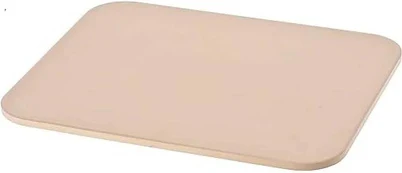
15-Inch Ceramic Pizza Stone for Perfect Crispy Crusts
- Ceramic (clay-based baking stone)
- The brand calls it PFAS-free, which we have not verified
- Glaze degradation and surface leaching
3 hazards checked on this product, all on its full breakdown.
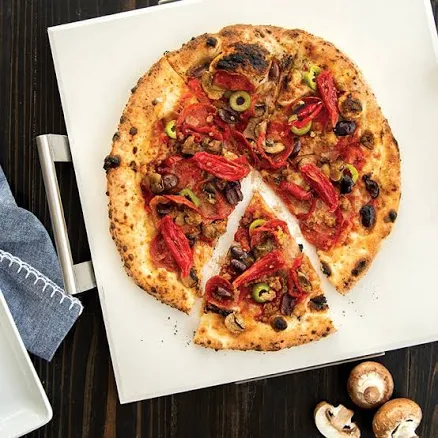
Deluxe Square Pizza Stone with Rack
- ceramic or unglazed stone; no nonstick coating
- The brand calls it PFAS-free, which we have not verified
- Ceramic or stone cracking and fragmentation
2 hazards checked on this product, all on its full breakdown.
More pizza stones & baking surfaces grades
How we score, every product runs through the same public 0-100 rubric based on materials, coatings, brand disclosure, lab findings, and recalls. See the full methodology → Spotted a mistake? Report an error.