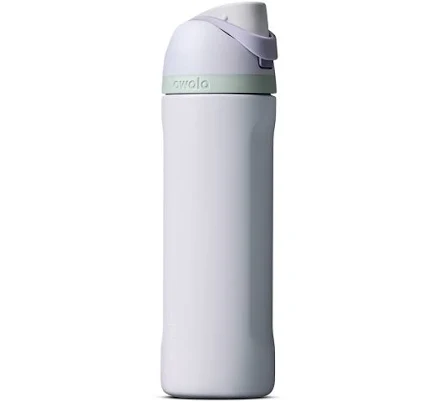
Owala · Portable Water Bottles
Owala FreeSip Stainless Steel Water Bottle
Stainless steel bottle with plastic lid has lower concern based on material as recorded.
The bottle is stainless steel with a plastic lid and spout, with no coating on record. The brand has no PFAS statement on record. Stainless steel is not a material linked to PFAS.
We flunk more products than we pass. This one earned its grade. How we grade
Material
Stainless steel with plastic lid/spout
Lab data
No public lab test
You may also be interested in
Top-graded picks in the categories readers replace first, every one scored on the same rubric.

- polypropylene filter housing, carbon/sediment cartridge
- We found no PFAS statement from the brand
- Bacterial growth in spent cartridges
3 hazards checked on this product, all on its full breakdown.

Aquasure
Premier Series 75 GPD Under Sink Reverse Osmosis Water Filtration System
- RO membrane, carbon filters, stainless steel housing
- We found no PFAS statement from the brand
- Bacterial and microbial growth in housing and filters
4 hazards checked on this product, all on its full breakdown.

Avocado
Vegan Mattress
- organic cotton, natural latex, coconut coir, recycled steel coils
- The brand calls it PFAS-free, which we have not verified
- Heavy metals
2 hazards checked on this product, all on its full breakdown.
What Owala FreeSip Stainless Steel Water Bottle is made of, ingredients and materials
The Owala FreeSip uses food-grade stainless steel (typically 18/8 or 304-grade) for the main bottle body, which is chemically inert and does not leach metals or compounds into beverages under normal use. The lid and spout are plastic (composition not publicly detailed by Owala, but standard for this category). Stainless steel's non-reactive surface is not a material linked to PFAS leaching, unlike aluminum, ceramic, or coated bottles, which have documented leaching concerns.
What’s concerning
Category baseline
The starting point for this type of product, before anything specific to this product is counted.
No PFAS disclosure
No public statement from the brand about PFAS in this product.
BPA & bisphenols
Owala does not publicly specify the plastic type (likely polypropylene or polyester) or certify BPA/BPS absence in the lid. No recalls or complaints on record, but lack of transparency means residual risk cannot be fully ruled out, particularly if lid contacts hot liquids.
Source, FDA ↗Bacterial growth in straw/spout assembly
The FreeSip's flip-straw mechanism creates crevices and wet environments that can harbor mold or bacteria if not cleaned weekly. This is a use-maintenance hazard, not a material defect, but common with this design type.
Gasket/seal degradation over time
Silicone or rubber gaskets in the lid can degrade after repeated washing or prolonged sun exposure, potentially releasing trace compounds or allowing bacterial colonization. Replacement is simple and affordable.
What’s reassuring
Bare uncoated material
Recorded as a bare, uncoated material with no surface coating or treatment.
Stainless steel integrity (pitting, corrosion)
Food-grade stainless steel (304-grade) is highly resistant to corrosion and pitting under normal use. No field reports of premature rust or integrity failure in the FreeSip exist on public record.
Lead
Stainless steel bottles do not use ceramic glazes, enamels, or paints that would introduce lead or cadmium. Welded seams in food-grade stainless are not known to leach heavy metals under standard beverage storage.
Source, ATSDR ↗How is this PFAS grade calculated?
The brand's record and disclosure
Owala provides minimal transparency on plastic components (lid material, BPA/BPS status) on their public documentation. The company has no established history of safety recalls involving the FreeSip line, and no independent testing controversies are on record. They do not explicitly market PFAS-free status, though the stainless steel bottle itself is unlikely to contain PFAS. For a consumer product of this type, disclosure is lighter than some competitors (e.g., Hydro Flask, Klean Kanteen), but absence of recalls suggests adequate safety control.
How it compares in its category
The FreeSip sits in the mid-to-premium stainless steel bottle segment. Versus lower-cost alternatives (plastic bottles, coated aluminum), it avoids BPA and coating-leaching risks. Versus higher-transparency brands like Klean Kanteen, Owala does not publicly certify BPA-free plastics in the lid or provide material safety data sheets, though no adverse reports suggest real risk. Its design and price point place it as a practical middle ground in material safety profile.
If you buy it
Avoid dishwasher heat cycles if the lid gasket is silicone or rubber; hand wash the lid in warm water to extend seal life and avoid potential off-gassing from plastic-adhesive interactions at high temperature. Do not store acidic beverages (vinegar, citrus juice) for extended periods, as even stainless steel can develop minor pitting under prolonged acidic contact. Replace the lid gasket every 12-24 months if it shows wear, as degraded seals can harbor bacterial growth. Clean the interior spout weekly to prevent mold.
What is not known about PFAS in this product?
- Basis
- Model estimate, 72% confidence, not a lab result
- Lab test
- None on record for this exact product
- Brand statement
- Owala has made a specific claim
Formulations change between production runs, so check the current label. How we grade.
What are the PFAS-free alternatives to Owala FreeSip Stainless Steel Water Bottle?
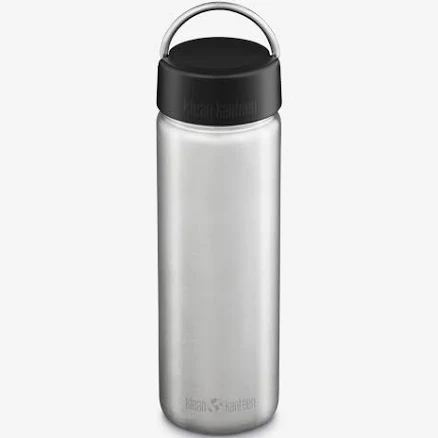
- 18/8 stainless steel, no interior coating
- The brand calls it PFAS-free, which we have not verified
- Cap or closure contamination
2 hazards checked on this product, all on its full breakdown.
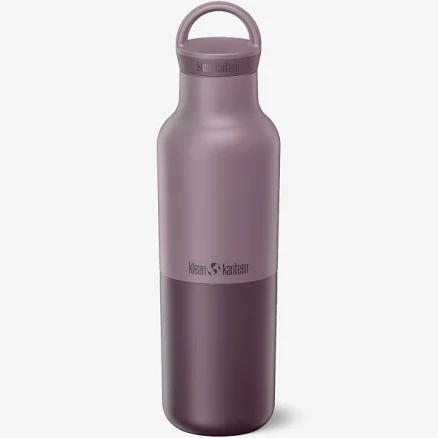
- stainless steel body, foam insulation, stainless steel cap
- The brand calls it PFAS-free, which we have not verified
- Cap gasket and seal contamination
- Stainless steel body, no coating disclosed
- We found no PFAS statement from the brand
- Bacterial or mold growth in storage
3 hazards checked on this product, all on its full breakdown.
More portable water bottles grades
How we score, every product runs through the same public 0-100 rubric based on materials, coatings, brand disclosure, lab findings, and recalls. See the full methodology → Spotted a mistake? Report an error.