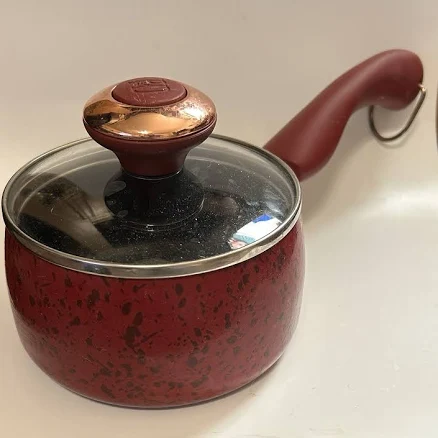
Paula Deen Signature Red Speckled Non-stick 1 Qt Sauce Pan W/ Lid
Pass until the manufacturer confirms its coating chemistry.
Paula Deen does not reveal what nonstick material covers this sauce pan. You must ask the manufacturer directly to learn if it contains Teflon-type coating or Teflon-family coating.
The better-graded swap
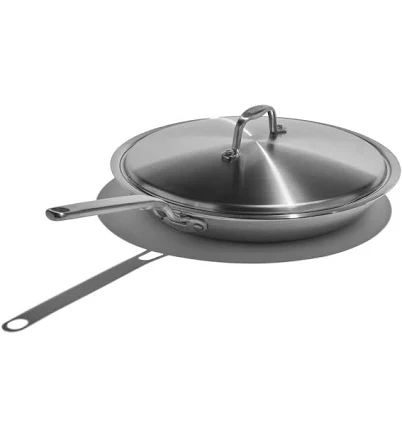
Heritage Steel
Heritage Steel Eater 12" Fry Pan with Lid
100/100 safety
Same rubric that flunked this product. The swap earned Excellent.
Still want this one anyway? Check the price on Amazon. We’d swap it.
Material
non-stick coating, composition undisclosed
Brand disclosure
Brand is silent on PFAS
Lab data
No public lab test
Is Paula Deen Signature Red Speckled non-toxic? What it is made of
This sauce pan uses a proprietary non-stick coating over what appears to be aluminum or steel substrate, but Paula Deen has not publicly disclosed the exact polymer or manufacturing process. The red speckled exterior suggests an enamel or ceramic-blend topcoat over the base metal. Non-stick cookware safety depends entirely on coating integrity and temperature control, since most Teflon-type coating-family coatings begin degrading above 400-500°F and release gases at higher temperatures.
What’s concerning
Category baseline
The starting point for this type of product, before anything specific to this product is counted.
No PFAS disclosure
No public statement from the brand about PFAS in this product.
Non-stick, chemistry undisclosed
Marketed as non-stick without stating the coating chemistry.
Teflon-type coating/non-stick coating degradation and fume release
Without disclosed composition, this coating likely contains Teflon-type coating (Teflon) or similar polymer. Overheating above 500°F causes decomposition and release of fumes that can cause polymer fume fever in humans; risk increases if coating is already scratched or damaged.
Aluminum leaching from substrate
If the base metal is aluminum (common in budget non-stick), acidic foods (tomato sauce, vinegar, citrus) may leach small amounts of aluminum into food, though total dietary exposure from cookware is generally low compared to other sources.
Coating flaking and microparticles
Non-stick coatings on frequently used cookware can develop scratches and peeling over time, especially with dishwasher use or metal utensils. Ingestion of coating flakes is generally non-toxic but is a sign of product failure.
Lid seal integrity and steam risk
Glass or metal lids on budget cookware sometimes have poor seals or misaligned rims, allowing steam to escape unpredictably and raising burn risk; no specific issue documented for this model, but inspect fit before first use.
What’s reassuring
Lead
The red speckled enamel finish on this pan has no documented recalls or testing failures for heavy metal contamination. Modern enamel cookware from major distributors is typically tested for lead and cadmium; no public evidence suggests Paula Deen deviates from industry standards.
Source, ATSDR ↗The full breakdown
The brand's record and disclosure
Paula Deen Cookware is distributed through Groupe SEB (T-Fal, All-Clad parent) but maintains minimal public transparency about coating chemistry or PFAS content. The brand has not published certifications (GreenPan, Teflon-type coating-free, PFOA-free) or third-party testing results. No major recalls specific to PFAS or coating failure have been widely documented for this line, but the silence on composition is a red flag for informed buyers.
How it compares in its category
Budget non-stick cookware like Paula Deen occupies the mid-low tier; most competitors in this price range (Calphalon, T-Fal, Tramontina) also withhold detailed coating specs but some offer PFOA-free guarantees. Premium brands (All-Clad, Le Creuset) disclose materials openly or use ceramic/stainless alternatives. Paula Deen's speckled aesthetic appeals to casual cooks but provides no safety advantage over unbranded alternatives.
If you buy it
Never heat empty or above medium-high (approximately 400°F); use only silicone or wooden utensils to avoid scratching. Inspect the coating every 6-12 months for peeling, flaking, or bare spots; discard immediately if damage appears, as compromised coating can release particles into food. Hand wash only; dishwasher use accelerates coating wear. Keep the lid clean to prevent condensation from pooling; replace the pan within 2-3 years of regular use as a precaution.
What we don’t know
- Basis
- Model estimate, 35% confidence, not a lab result
- Lab test
- None on record for this exact product
- Brand statement
- Paula Deen has made none
Formulations change between production runs, so check the current label. How we grade.
Better-graded alternatives in Cookware
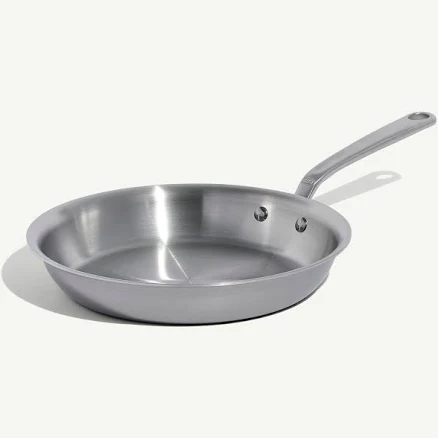
Made In
Stainless Clad Fry Pan
- Stainless steel clad construction, no nonstick coating
- The brand calls it PFAS-free, which we have not verified
- Clad separation or delamination over time
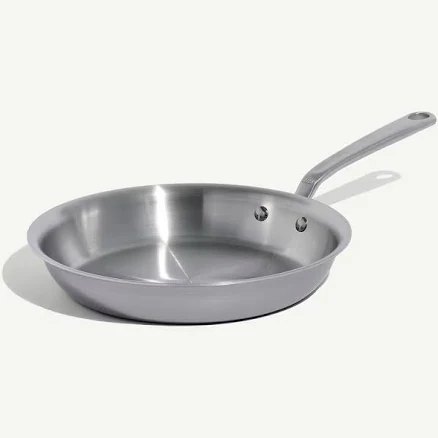
Made In
10' Stainless Clad Frying Pan
- stainless steel clad construction, no nonstick coating
- The brand calls it PFAS-free, which we have not verified
- Nickel leaching from stainless steel
3 hazards checked on this product. See all of them.
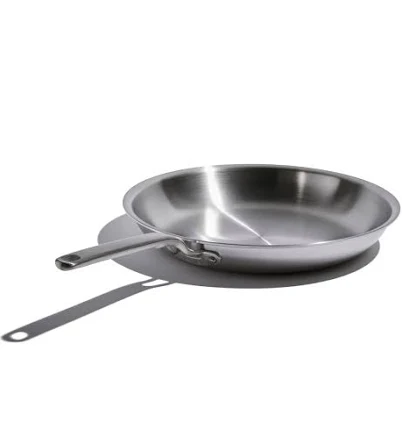
Heritage Steel
Eater Fry Pan
- Clad stainless steel, no coating
- The brand calls it PFAS-free, which we have not verified
- Metal ion release during cooking (iron, nickel, chromium)
More cookware grades
How we score, every product runs through the same public 0-100 rubric based on materials, coatings, brand disclosure, lab findings, and recalls. See the full methodology → Spotted a mistake? Report an error.