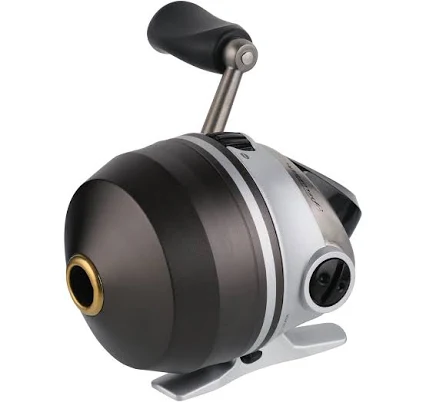
Pflueger Trion Spincast Reel
Lower PFAS concern with standard construction typical.
Spincast reels use metals and standard polymers without waterproofing or nonstick treatments that typically contain PFAS. No brand disclosure needed for this design.
We flunk more products than we pass. This one earned its grade. How we grade
Material
Metal alloy reel (aluminum/brass), polymer drag
Brand disclosure
Brand is silent on PFAS
Lab data
No public lab test
You may also be interested in
Top-graded picks in the categories readers replace first, every one scored on the same rubric.

- polypropylene filter housing, carbon/sediment cartridge
- We found no PFAS statement from the brand
- Bacterial growth in spent cartridges
3 hazards checked on this product, all on its full breakdown.

Aquasure
Premier Series 75 GPD Under Sink Reverse Osmosis Water Filtration System
- RO membrane, carbon filters, stainless steel housing
- We found no PFAS statement from the brand
- Bacterial and microbial growth in housing and filters
4 hazards checked on this product, all on its full breakdown.

Avocado
Vegan Mattress
- organic cotton, natural latex, coconut coir, recycled steel coils
- The brand calls it PFAS-free, which we have not verified
- Heavy metals
2 hazards checked on this product, all on its full breakdown.
What Pflueger Trion Spincast Reel is made of, ingredients and materials
The Pflueger Trion uses aluminum and brass alloys for the reel body and spool, materials chosen for corrosion resistance and durability in freshwater and light saltwater use. The drag mechanism incorporates a polymer composite, likely polyacetal or nylon, which provides smooth drag engagement without the chemical leaching risks of certain plastics in food-contact applications. Metal alloys in fishing equipment do not pose significant leaching hazards under normal use because they are not heated and do not contact food or skin for extended periods.
What’s concerning
Category baseline
The starting point for this type of product, before anything specific to this product is counted.
No PFAS disclosure
No public statement from the brand about PFAS in this product.
Metal corrosion and oxidation (aluminum/brass)
Aluminum and brass in fishing reels can corrode when exposed to saltwater or moisture over time, particularly at seams and threaded joints. This does not pose direct toxicity risk but may compromise reel function and, in rare cases, result in tiny metal particles in the drag system.
Polymer drag degradation
The polyacetal or nylon drag material may become brittle or crack after 3-5 years of UV and thermal cycling, especially if stored in hot environments. No hazardous off-gassing is expected, but worn polymers may shed small plastic particles into the drag mechanism.
Lubricant contaminants
If non-approved lubricants are applied to the drag or bearing surfaces, petroleum-based greases may contain trace heavy metals or PAHs. Use only manufacturer-recommended oils and greases to avoid this risk.
What’s reassuring
Base material not linked to PFAS
The main material recorded for this product is not one associated with PFAS.
Lead
No established reports of lead-cadmium coatings on Pflueger Trion reels; modern manufacturing standards in the US and Europe typically exclude such finishes for consumer fishing equipment.
Source, ATSDR ↗Skin contact allergies from brass or nickel content
Brass alloys in fishing reels typically contain 60-90% copper and 10-40% zinc; nickel content, if present, is usually minimal and unlikely to cause dermatitis during normal grip and use.
How is this PFAS grade calculated?
The brand's record and disclosure
Pflueger (owned by Pure Fishing) has not publicly disclosed detailed material sourcing or chemical use statements for consumer spincast reels. The brand has no known product recalls tied to material safety or chemical contamination in this reel category. Fishing equipment manufacturers typically operate under minimal chemical disclosure requirements compared to cookware or food-contact goods, so absence of information reflects industry norms rather than a transparency gap specific to Pflueger.
How it compares in its category
Spincast reels as a category present lower chemical hazard profiles than baitcasting or spinning reels because they use simpler drag systems and fewer polymer-intensive components. The Trion's use of established aluminum-brass construction is standard practice and does not deviate toward more hazardous alternatives (such as lead-weighted components or cadmium-plated finishes). Budget-tier spincast reels from major manufacturers typically share similar material compositions, making this a conventional choice rather than an outlier.
If you buy it
Rinse the reel with fresh water after each use, especially in saltwater environments, to prevent corrosion of the aluminum housing. Store in a dry location and avoid prolonged exposure to direct sunlight, which can degrade polymer drag components over years of use. The drag system may require occasional lubrication per the manufacturer's manual; use only the recommended lubricant type to avoid polymer swelling or malfunction. Replace the reel if visible corrosion develops on the body or if drag performance becomes erratic despite maintenance.
What is not known about PFAS in this product?
- Basis
- Model estimate, 72% confidence, not a lab result
- Lab test
- None on record for this exact product
- Brand statement
- Pflueger has made none
Formulations change between production runs, so check the current label. How we grade.
More fishing line grades
How we score, every product runs through the same public 0-100 rubric based on materials, coatings, brand disclosure, lab findings, and recalls. See the full methodology → Spotted a mistake? Report an error.