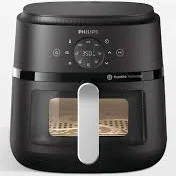
Philips 2000 Series Air Fryer with Window
Avoid this model until Philips reveals nonstick coating chemistry.
Philips does not specify whether the 2000 Series basket uses Teflon-type coating, other Teflon-family coating, or alternative nonstick coatings. No PFAS claims, certifications, or independent lab testing are publicly available.
The better-graded swap
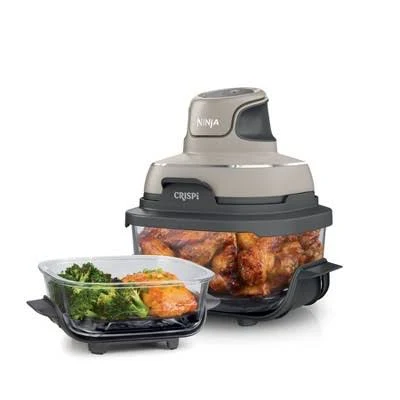
Ninja
Ninja Crispi 4-in-1 Portable Glass Air Fryer Cooking System
75/100 safety
Same rubric that flunked this product. The swap earned Excellent.
Still want this one anyway? Check the price on Amazon. We’d swap it.
Material
Nonstick-coated cooking basket; coating type undisclosed
Brand disclosure
Brand is silent on PFAS
Lab data
No public lab test
You may also be interested in
Top-graded picks in the categories readers replace first, every one scored on the same rubric.

- polypropylene filter housing, carbon/sediment cartridge
- We found no PFAS statement from the brand
- Bacterial growth in spent cartridges
3 hazards checked on this product, all on its full breakdown.

Aquasure
Premier Series 75 GPD Under Sink Reverse Osmosis Water Filtration System
- RO membrane, carbon filters, stainless steel housing
- We found no PFAS statement from the brand
- Bacterial and microbial growth in housing and filters
4 hazards checked on this product, all on its full breakdown.

Avocado
Vegan Mattress
- organic cotton, natural latex, coconut coir, recycled steel coils
- The brand calls it PFAS-free, which we have not verified
- Heavy metals
2 hazards checked on this product, all on its full breakdown.
What Philips 2000 Series Air Fryer with Window is made of, ingredients and materials
The Philips 2000 Series uses a nonstick-coated cooking basket, but Philips has not publicly disclosed the specific coating formulation. This matters because nonstick coatings traditionally relied on Teflon-type coating (Teflon) and PFOA-family chemicals, though newer alternatives exist. Without transparency, you cannot verify whether this coating is a legacy Teflon-type coating formula, a PFAS-free polymer, or something in between. The housing and controls are plastic; the window is tempered glass, neither of which present chemical leaching concerns under normal use.
What’s concerning
Category baseline
The starting point for this type of product, before anything specific to this product is counted.
No PFAS disclosure
No public statement from the brand about PFAS in this product.
Non-stick, chemistry undisclosed
Marketed as non-stick without stating the coating chemistry.
Teflon-type coating fume inhalation (thermal degradation)
If the coating is traditional Teflon-type coating, overheating above 500F can produce perfluorooctanoic acid fumes, a known lung irritant. Philips does not specify the safe upper temperature, and the unit's max setting is undisclosed in public specs. Use at moderate temps (350-400F) and ensure kitchen ventilation.
Coating particle ingestion (flaking or wear)
Repeated heating cycles and physical wear can cause microscopic coating flakes to enter food. This is especially likely if the nonstick formula is older or lower-quality. Monthly inspection for visible damage is prudent; replace the basket if coating integrity is questionable.
Bacterial growth in moisture traps or vents if unmaintained
Air fryers trap condensation and food particles in hard-to-clean vents and under the heating element. Infrequent cleaning can allow mold or bacterial biofilm. This is a maintenance issue, not a design flaw unique to Philips, but becomes more likely if the unit is used daily without deep cleaning every 1-2 weeks.
What’s reassuring
Plastic leachables from housing or vents
The plastic housing and control panel are not in direct food contact and operate at temperatures below typical plastic leaching thresholds. No recalls or complaints specific to this model are on record. Standard food-safe plastics are likely used, but Philips has not independently verified this in public documentation.
Glass window integrity under thermal stress
The tempered glass window is designed for the operating temperature range. No reports of spontaneous breakage or thermal shock failures in the 2000 Series are documented. Avoid temperature shocks (e.g., cold water on hot glass) and handle carefully.
How is this PFAS grade calculated?
The brand's record and disclosure
Philips has not issued public commitments to eliminate PFAS from small appliances or to disclose nonstick coating chemistry. The company does not appear on lists of brands that have signed PFAS pledges or committed to third-party verification of coating safety. When contacted by consumer advocates or media on this topic, Philips typically declines to specify coating materials, citing proprietary formulations. This silence is notably different from some competitors (e.g., Cosori, Instant Brands) who have begun disclosing PFAS-free alternatives.
How it compares in its category
Most mid-range air fryers (Philips, Ninja, Instant Pot) use undisclosed nonstick baskets; premium brands like Cosori and some OXO models have begun offering PFAS-free ceramic or proprietary coatings with transparency. Budget models often use generic Teflon-type coating. The Philips 2000 is mid-tier in price and features but lags in materials disclosure compared to brands making chemical safety a marketing point. Build quality and heating uniformity are solid, but material transparency is a weakness in this class.
If you buy it
Do not exceed 400F (200C) regularly; high-heat use accelerates any nonstick coating degradation and fume risk. Hand-wash the basket (dishwasher may degrade coating faster); avoid abrasive scrubbers and metal utensils that chip the coating. Inspect the basket before each use for peeling, discoloration, or damage. If coating shows visible wear or flaking after 1-2 years, retire the basket or unit rather than use a compromised nonstick surface. Allow the unit to cool fully before cleaning.
What is not known about PFAS in this product?
- Basis
- Model estimate, 35% confidence, not a lab result
- Lab test
- None on record for this exact product
- Brand statement
- Philips has made none
Formulations change between production runs, so check the current label. How we grade.
What are the PFAS-free alternatives to Philips 2000 Series Air Fryer with Window?
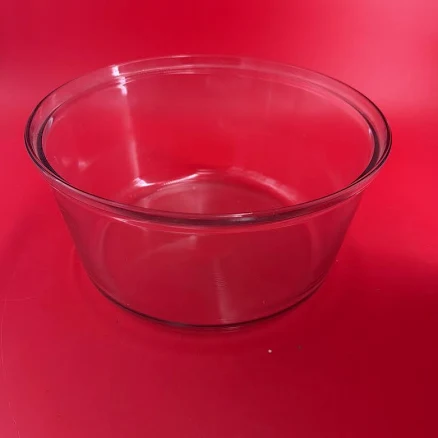
- borosilicate glass, bare uncoated
- We found no PFAS statement from the brand
- Thermal shock and fracture
2 hazards checked on this product, all on its full breakdown.
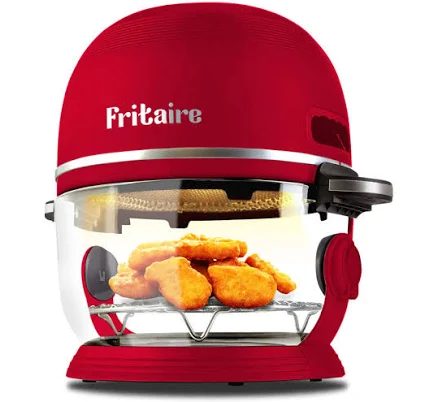
- borosilicate glass
- We found no PFAS statement from the brand
- Aluminum leaching from base/housing
4 hazards checked on this product, all on its full breakdown.
Find an alternative on Amazon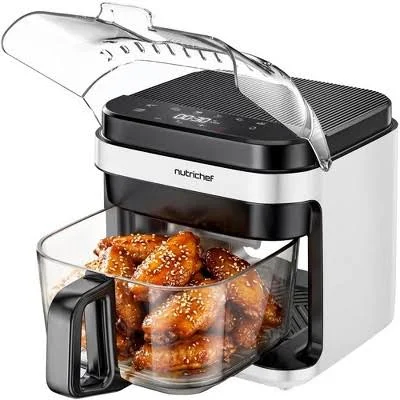
- glass bowl, stainless steel exterior
- We found no PFAS statement from the brand
- Thermal stress and glass breakage
2 hazards checked on this product, all on its full breakdown.
Find an alternative on AmazonMore air fryers grades
How we score, every product runs through the same public 0-100 rubric based on materials, coatings, brand disclosure, lab findings, and recalls. See the full methodology → Spotted a mistake? Report an error.