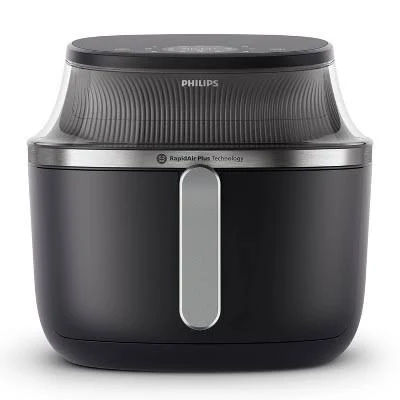
Philips 3000 Series Air Fryer
Nonstick coating chemistry undisclosed, PFAS concern not addressed by brand.
The 3000 Series has a nonstick-coated cooking basket, but Philips does not disclose the coating chemistry. The brand has no PFAS statement on record, and no independent testing or certification is available for this product.
The better-graded swap
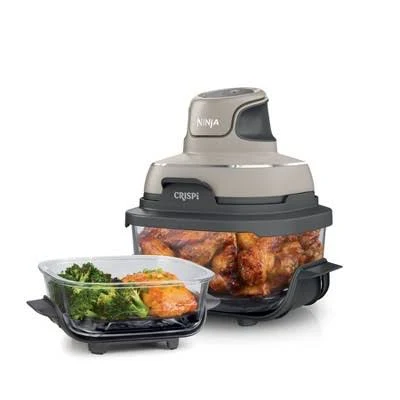
Ninja
Ninja Crispi 4-in-1 Portable Glass Air Fryer Cooking System
75/100 safety
Same rubric that flunked this product. The swap earned Excellent.
Still want this one anyway? Check the price on Amazon. We’d swap it.
Material
Nonstick-coated cooking basket; coating composition not publicly disclosed
Brand disclosure
Brand is silent on PFAS
Lab data
No public lab test
You may also be interested in
Top-graded picks in the categories readers replace first, every one scored on the same rubric.

- polypropylene filter housing, carbon/sediment cartridge
- We found no PFAS statement from the brand
- Bacterial growth in spent cartridges
3 hazards checked on this product, all on its full breakdown.

Aquasure
Premier Series 75 GPD Under Sink Reverse Osmosis Water Filtration System
- RO membrane, carbon filters, stainless steel housing
- We found no PFAS statement from the brand
- Bacterial and microbial growth in housing and filters
4 hazards checked on this product, all on its full breakdown.

Avocado
Vegan Mattress
- organic cotton, natural latex, coconut coir, recycled steel coils
- The brand calls it PFAS-free, which we have not verified
- Heavy metals
2 hazards checked on this product, all on its full breakdown.
What Philips 3000 Series Air Fryer is made of, ingredients and materials
The Philips 3000 Series uses a proprietary nonstick-coated cooking basket; Philips has not publicly disclosed the coating's chemistry (Teflon-type coating, ceramic hybrid, or alternative). Without transparency, you cannot verify whether it contains Teflon-type coating (which releases fumes above 500F/260C) or fluorinated compounds (potential PFAS). The basket itself is typically aluminum or steel substrate, which is inert when properly coated, but coating degradation over time and at high air fryer temperatures (typically 350-400F) accelerates leaching risk if the underlying chemistry is unknown.
What’s concerning
Category baseline
The starting point for this type of product, before anything specific to this product is counted.
No PFAS disclosure
No public statement from the brand about PFAS in this product.
Non-stick, chemistry undisclosed
Marketed as non-stick without stating the coating chemistry.
Teflon-type coating (Teflon) fume inhalation risk
If the nonstick coating is Teflon-type coating-based (unconfirmed by Philips), temperatures above 500F can release perfluorooctanoic acid (PFOA) and other volatile compounds, though typical air fryer use stays below this threshold. Risk is low during normal operation but non-zero if the unit malfunctions or is severely overheated.
Nonstick coating degradation and substrate leaching
Repeated heating cycles, mechanical wear from washing, and impact damage gradually erode the protective nonstick layer. Once compromised, the underlying aluminum or steel substrate may leach trace metals (aluminum, nickel) into food, particularly acidic or salty items. Philips does not provide baseline coating durability data or expected replacement intervals.
Off-gassing or odor during first use
Some users report a plastic or chemical smell during the first 1-3 uses of the Philips 3000. This is typical of new nonstick cookware and usually dissipates; it suggests volatile organic compounds (VOCs) in the coating or adhesive layers but does not necessarily indicate acute toxicity. Ventilate well during initial operation.
Inadequate product safety documentation
Philips does not publish detailed material safety data sheets (MSDS) or composition for the nonstick coating on consumer-facing channels. This prevents informed risk assessment and makes compliance verification impossible for consumers seeking PFAS-free or certified products.
What’s reassuring
Aluminum leaching from exposed substrate
No recalls or published safety incidents exist for this model. However, if the nonstick coating fails prematurely, the aluminum basket underneath could leach at acidic pH levels. This is a general risk for any aluminum cookware with compromised coatings, not specific to Philips, but is worth monitoring.
How is this PFAS grade calculated?
The brand's record and disclosure
Philips has not made a public commitment to PFAS-free cookware or disclosed nonstick coating details for this model line despite consumer inquiries. The company holds no third-party certifications (like Greenguard or similar) specifically for air fryer safety. Philips' broader cookware division has faced no major recalls for nonstick-related leaching or fume incidents on record, but silence on coating chemistry is a red flag in an industry where competitors (e.g., Cosori, Instant Pot) increasingly advertise PFAS-free or ceramic alternatives.
How it compares in its category
Most mainstream air fryers under USD 150 use undisclosed nonstick coatings similar to this model. Premium alternatives (Cosori, Instant Pot Duo Plus) explicitly market PFAS-free or ceramic baskets and publish material data. Budget competitors (GoWISE, Chefman) also withhold coating details. The Philips 3000 offers reliable performance and heating but sits in the middle of a spectrum where transparency is increasingly the baseline; its lack of disclosure is now a competitive disadvantage.
If you buy it
Never exceed 400F (204C) to minimize any Teflon-type coating fume release if the coating contains it; most air fryer recipes stay below 380F anyway. Hand-wash the basket gently; dishwasher cycles and abrasive scrubbing degrade coatings faster. Inspect the basket quarterly for discoloration, flaking, or dull spots; replace the basket or unit if damage appears. Store in a dry place and avoid stacking heavy items on it. Do not preheat to maximum temperature; use moderate, steady heat to reduce thermal stress on the coating.
What is not known about PFAS in this product?
- Basis
- Model estimate, 35% confidence, not a lab result
- Lab test
- None on record for this exact product
- Brand statement
- Philips has made none
Formulations change between production runs, so check the current label. How we grade.
What are the PFAS-free alternatives to Philips 3000 Series Air Fryer?
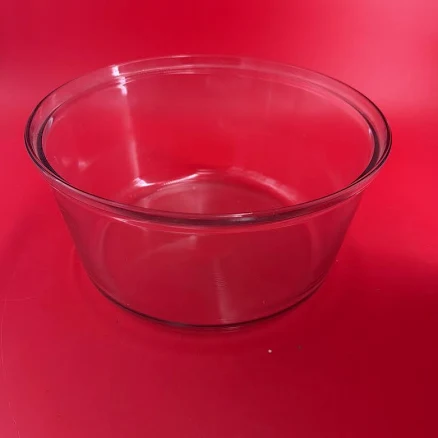
- borosilicate glass, bare uncoated
- We found no PFAS statement from the brand
- Thermal shock and fracture
2 hazards checked on this product, all on its full breakdown.
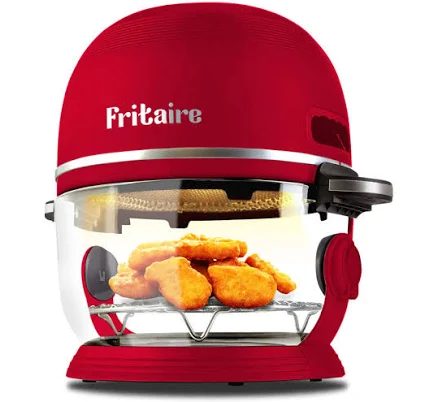
- borosilicate glass
- We found no PFAS statement from the brand
- Aluminum leaching from base/housing
4 hazards checked on this product, all on its full breakdown.
Find an alternative on Amazon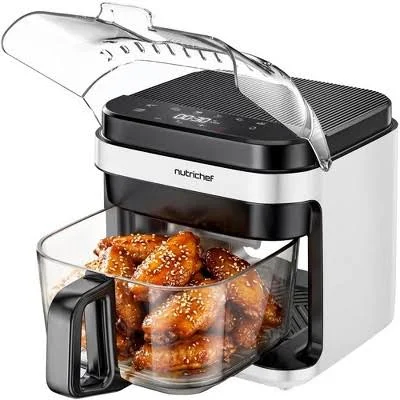
- glass bowl, stainless steel exterior
- We found no PFAS statement from the brand
- Thermal stress and glass breakage
2 hazards checked on this product, all on its full breakdown.
Find an alternative on AmazonMore air fryers grades
How we score, every product runs through the same public 0-100 rubric based on materials, coatings, brand disclosure, lab findings, and recalls. See the full methodology → Spotted a mistake? Report an error.