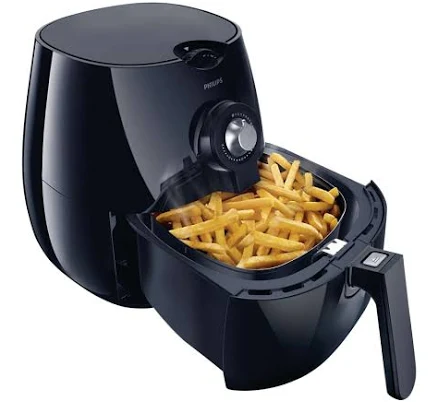
Philips Airfryer with Rapid Air Technology
Pass on this model until Philips reveals non-stick coating composition or confirms PFAS-free.
Philips Airfryers have a non-stick coated basket, but the brand does not disclose the coating material or PFAS status. Without specification or third-party testing data, you cannot confirm whether Teflon-type coating or other Teflon-family coating are used.
The better-graded swap
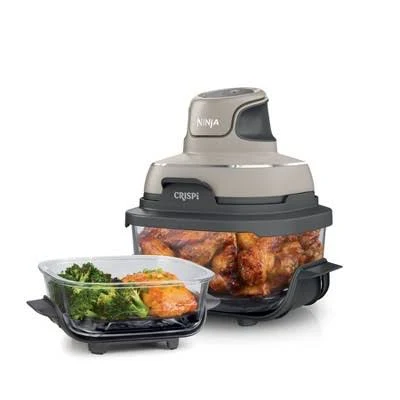
Ninja
Ninja Crispi 4-in-1 Portable Glass Air Fryer Cooking System
75/100 safety
Same rubric that flunked this product. The swap earned Excellent.
Still want this one anyway? Check the price on Amazon. We’d swap it.
Material
Non-stick coated cooking basket; material/coating type unspecified
Brand disclosure
Brand is silent on PFAS
Lab data
No public lab test
You may also be interested in
Top-graded picks in the categories readers replace first, every one scored on the same rubric.

- polypropylene filter housing, carbon/sediment cartridge
- We found no PFAS statement from the brand
- Bacterial growth in spent cartridges
3 hazards checked on this product, all on its full breakdown.

Aquasure
Premier Series 75 GPD Under Sink Reverse Osmosis Water Filtration System
- RO membrane, carbon filters, stainless steel housing
- We found no PFAS statement from the brand
- Bacterial and microbial growth in housing and filters
4 hazards checked on this product, all on its full breakdown.

Avocado
Vegan Mattress
- organic cotton, natural latex, coconut coir, recycled steel coils
- The brand calls it PFAS-free, which we have not verified
- Heavy metals
2 hazards checked on this product, all on its full breakdown.
What Philips Airfryer with Rapid Air Technology is made of, ingredients and materials
The Philips Airfryer uses a non-stick coated cooking basket; the specific coating chemistry (whether Teflon-type coating-based, ceramic, silicone, or alternative) is not publicly disclosed by Philips. This matters because different non-stick chemistries carry different thermal breakdown and chemical leaching risks. The basket material beneath the coating is not specified in available product documentation. Without coating identification, you cannot reliably assess degradation hazards at the airfryer's operating temperatures (typically 350-400°F / 175-200°C).
What’s concerning
Category baseline
The starting point for this type of product, before anything specific to this product is counted.
No PFAS disclosure
No public statement from the brand about PFAS in this product.
Non-stick, chemistry undisclosed
Marketed as non-stick without stating the coating chemistry.
Teflon-type coating (Teflon) fume risk if coating unidentified
If the non-stick coating is Teflon-type coating-based, overheating above the polymer's thermal limit (typically 500°F+) can release Teflon-family coating fumes. Airfryers operate below this threshold, but degraded or damaged coating at high end of operating range (380-400°F) carries low-level inhalation risk if heating elements are very close to basket. Coating identity is undisclosed, so this cannot be ruled out.
Coating degradation and particle ingestion
Non-stick coating on cooking baskets degrades over time with thermal cycling and mechanical wear. Philips documentation does not specify coating durability or replacement intervals. Users have reported visible wear on airfryer baskets after months of regular use; flaking or peeling into food is the primary concern if inspections are missed.
PFAS
Philips has not confirmed PFAS-free status for this model. Non-stick coatings historically reliant on Teflon-type coating or similar fluorochemistries. Coating type remains unspecified; PFAS risk cannot be assessed as low without explicit manufacturer confirmation or third-party testing. This is the primary unresolved hazard.
Source, ATSDR ↗What’s reassuring
Aluminum or substrate leaching
If the basket is aluminum beneath the non-stick coating, intact coating acts as a barrier to leaching. No reports of substrate leaching from Philips Airfryer baskets are on record. However, if coating fails (chips, peels), exposed aluminum in contact with acidic foods carries theoretical concern. Brand has not disclosed base material.
Lead
No recalls or regulatory findings of lead or cadmium contamination in Philips Airfryer cooking baskets have been reported. Philips is subject to US and EU consumer safety standards that prohibit high-risk heavy metals in food contact surfaces. Absence of disclosure does not indicate presence of these hazards; available evidence does not support reported contamination.
Source, ATSDR ↗How is this PFAS grade calculated?
The brand's record and disclosure
Philips has not published composition details or PFAS-free certifications for this airfryer model's non-stick surface. The company has faced past scrutiny over PFAS use in consumer products but has not made category-wide commitments to phaseout in small appliances. No third-party safety certifications (such as GREENGUARD or bluesign) are listed for this product. Philips' silence on coating chemistry is a disclosure failure that prevents independent assessment.
How it compares in its category
Many airfryer brands now disclose ceramic or Teflon-type coating-free non-stick coatings; some offer stainless steel baskets as lower-risk alternatives. Philips' lack of transparency is a notable gap in a category where competitors increasingly market PFAS-free or ceramic options. Premium airfryers in this price range often provide coating specifications; budget models less frequently do. This model's opacity puts it behind disclosure leaders in the segment.
If you buy it
Keep basket temperatures below 400°F (204°C) to reduce thermal stress on the coating; higher temperatures increase degradation risk if the coating is Teflon-type coating-based. Inspect the non-stick surface regularly for peeling, discoloration, or wear. Use silicone or wood utensils only; metal scratching accelerates coating failure and potential particle release. If the coating visibly degrades, the basket should be replaced. Hand-wash only; dishwasher exposure may hasten coating breakdown.
What is not known about PFAS in this product?
- Basis
- Model estimate, 35% confidence, not a lab result
- Lab test
- None on record for this exact product
- Brand statement
- Philips has made none
Formulations change between production runs, so check the current label. How we grade.
What are the PFAS-free alternatives to Philips Airfryer with Rapid Air Technology?
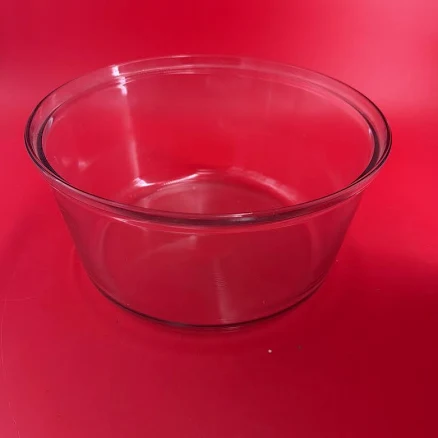
- borosilicate glass, bare uncoated
- We found no PFAS statement from the brand
- Thermal shock and fracture
2 hazards checked on this product, all on its full breakdown.
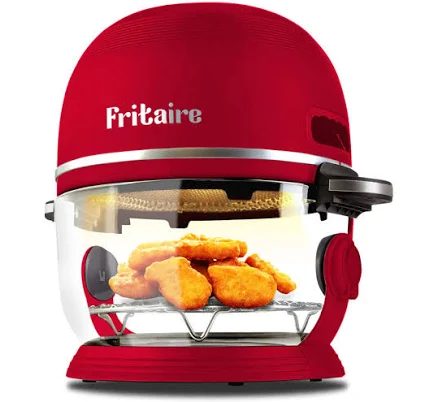
- borosilicate glass
- We found no PFAS statement from the brand
- Aluminum leaching from base/housing
4 hazards checked on this product, all on its full breakdown.
Find an alternative on Amazon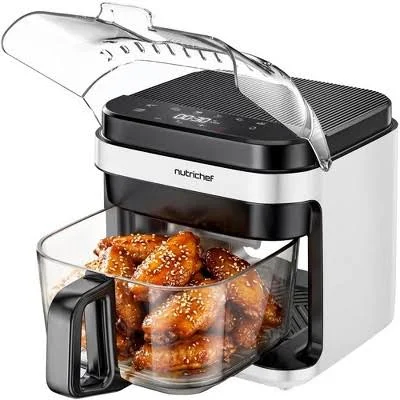
- glass bowl, stainless steel exterior
- We found no PFAS statement from the brand
- Thermal stress and glass breakage
2 hazards checked on this product, all on its full breakdown.
Find an alternative on AmazonMore air fryers grades
How we score, every product runs through the same public 0-100 rubric based on materials, coatings, brand disclosure, lab findings, and recalls. See the full methodology → Spotted a mistake? Report an error.