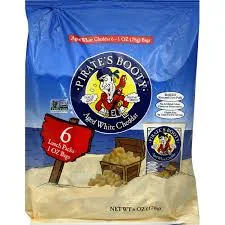
Pirate's Booty · Microwave Popcorn
Pirate's Booty Popcorn - 40 ct
Limited info on bag liner treatment. Avoid if PFAS-sensitive.
Pirate's Booty uses grease-resistant packaging but does not disclose liner composition or PFAS status. Standard popcorn bag coatings often contain PFAS; no independent testing available for this product.
The better-graded swap
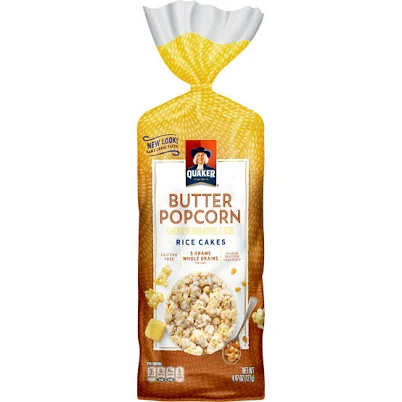
Quaker
Quaker Butter Popcorn Rice Cakes
70/100 safety
Same rubric that flunked this product. The swap earned Good.
Still want this one anyway? Check the price on Amazon. We’d swap it.
Material
grease-resistant bag liner, composition unspecified
Brand disclosure
Brand is silent on PFAS
Lab data
No public lab test
You may also be interested in
Top-graded picks in the categories readers replace first, every one scored on the same rubric.

- polypropylene filter housing, carbon/sediment cartridge
- We found no PFAS statement from the brand
- Bacterial growth in spent cartridges
3 hazards checked on this product, all on its full breakdown.

Aquasure
Premier Series 75 GPD Under Sink Reverse Osmosis Water Filtration System
- RO membrane, carbon filters, stainless steel housing
- We found no PFAS statement from the brand
- Bacterial and microbial growth in housing and filters
4 hazards checked on this product, all on its full breakdown.

Avocado
Vegan Mattress
- organic cotton, natural latex, coconut coir, recycled steel coils
- The brand calls it PFAS-free, which we have not verified
- Heavy metals
2 hazards checked on this product, all on its full breakdown.
What Pirate's Booty Popcorn - 40 ct is made of, ingredients and materials
Pirate's Booty pouches use a multi-layer plastic bag with a grease-resistant inner liner, standard for preventing oil migration into cardboard or outer packaging. The specific fluorinated compound (PFAS type and concentration) is not disclosed publicly by the brand. Grease-resistant food packaging typically achieves this barrier using polyfluorinated treatments; the degree of migration into the popcorn itself depends on bag construction, storage temperature, and product contact time. Without specification sheets, the exact formulation and potential leaching profile cannot be independently verified.
What’s concerning
Waterproof / stain-resistant treatment
Water-repellent coating treatments have historically used PFAS.
Category baseline
The starting point for this type of product, before anything specific to this product is counted.
No PFAS disclosure
No public statement from the brand about PFAS in this product.
PFAS
Grease-resistant packaging coatings almost universally contain fluorinated compounds (PFAS). No testing data for this specific product has been published; worst-case assumes legacy high-fluorination formulas. Migration into fatty popcorn cannot be ruled out.
Source, ATSDR ↗What’s reassuring
BPA & bisphenols
No recalls or confirmed BPA/BPS contamination reported for Pirate's Booty bags. Modern multi-layer film typically avoids polycarbonate, so bisphenol contamination is unlikely but not explicitly ruled out by the brand.
Source, FDA ↗Phthalate plasticizers in flexible film
Flexible multilayer pouches may contain phthalates; however, no published data or alerts exist for this product. Food-contact regulations in the US restrict certain phthalates, so direct contamination risk is lower than in non-food applications.
Microplastic shedding from bag degradation
No evidence of premature bag failure or flaking in normal storage. Popcorn is a dry product with low heat exposure; risk of microplastic ingestion from bag breakdown is minimal under typical use.
Ink or adhesive leachables from printed exterior
Outer printed layer is not in direct contact with popcorn. No documented incidents of ink migration; standard food-safe inks are required by regulation. Risk is negligible if bag integrity is maintained.
How is this PFAS grade calculated?
The brand's record and disclosure
Pirate's Booty (owned by Robert's American Gourmet, part of Amplify Snack Brands) does not publicly disclose PFAS use or migration testing for its packaging. The brand has not released statements on phasing out fluorinated coatings or pursuing PFAS-free alternatives. No formal recalls or safety violations specific to packaging composition have been established in public records. The silence on fluorinated additives is typical for many snack manufacturers but represents a lack of transparency on a known concern.
How it compares in its category
Most commercial popcorn and snack bags use grease-resistant liners; Pirate's Booty is not unique in this regard. Brands like Simply Balanced and some organic popcorn lines have begun marketing PFAS-free or non-fluorinated alternatives, though not universally. Pirate's Booty does not advertise PFAS-conscious packaging, placing it in the mainstream category where fluorinated barriers remain the default. Price and market positioning favor conventional coatings over premium alternatives.
If you buy it
Store unopened bags at room temperature away from heat sources; elevated temperatures may slightly increase PFAS migration from the liner into contents. Transfer popcorn to an airtight glass or metal container once opened to limit extended contact with the bag. If you are pregnant, nursing, or have known PFAS sensitivity, consider PFAS-free snack brands as a precaution. Check the brand's website periodically for any updated packaging disclosures or reformulation announcements.
What is not known about PFAS in this product?
- Basis
- Model estimate, 35% confidence, not a lab result
- Lab test
- None on record for this exact product
- Brand statement
- Pirate's Booty has made none
Formulations change between production runs, so check the current label. How we grade.
What are the PFAS-free alternatives to Pirate's Booty Popcorn - 40 ct?
- puffed rice cakes in paperboard packaging
- We found no PFAS statement from the brand
- Mold or bacterial growth in packaging
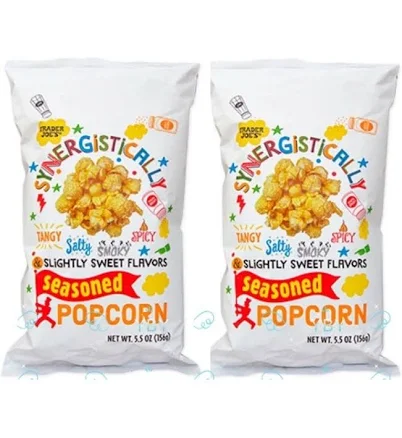
- paperboard popcorn bag, grease-resistant interior lining
- We found no PFAS statement from the brand
- Moisture and mold risk if bag is compromised
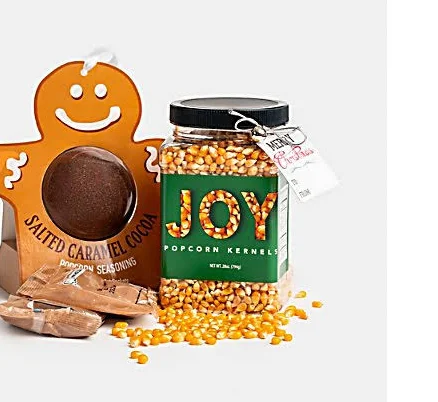
- paper-based food packaging with standard coating
- We found no PFAS statement from the brand
- Ink migration (printing on exterior or interior)
3 hazards checked on this product, all on its full breakdown.
More microwave popcorn grades
How we score, every product runs through the same public 0-100 rubric based on materials, coatings, brand disclosure, lab findings, and recalls. See the full methodology → Spotted a mistake? Report an error.