Pottery Barn · Upholstered Furniture
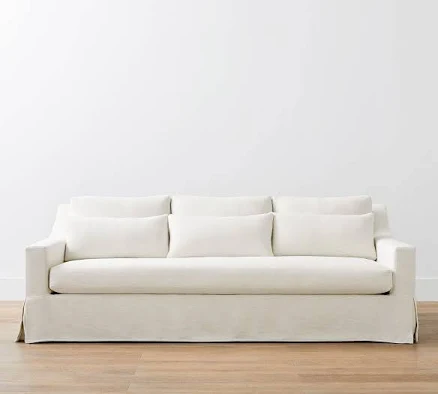
Pottery Barn York Deep Seat Slope Arm Slipcovered Sofa
Upholstered furniture with minimal PFAS risk unless stain treatment applied.
Pottery Barn does not disclose PFAS or chemical treatments for this slipcovered sofa. Bare upholstered furniture typically poses lower concern, but hidden stain-resist finishes on fabric are common and undisclosed.
We flunk more products than we pass. This one earned its grade. How we grade
Material
upholstered sofa, slipcover fabric
Lab data
No public lab test
You may also be interested in
Top-graded picks in the categories readers replace first, every one scored on the same rubric.

- polypropylene filter housing, carbon/sediment cartridge
- We found no PFAS statement from the brand
- Bacterial growth in spent cartridges
3 hazards checked on this product, all on its full breakdown.

Aquasure
Premier Series 75 GPD Under Sink Reverse Osmosis Water Filtration System
- RO membrane, carbon filters, stainless steel housing
- We found no PFAS statement from the brand
- Bacterial and microbial growth in housing and filters
4 hazards checked on this product, all on its full breakdown.

Avocado
Vegan Mattress
- organic cotton, natural latex, coconut coir, recycled steel coils
- The brand calls it PFAS-free, which we have not verified
- Heavy metals
2 hazards checked on this product, all on its full breakdown.
What Pottery Barn York Deep Slipcovered Sofa is made of, ingredients and materials
The York sofa uses a slipcover design, which typically means removable woven fabric (often cotton-poly blend or linen blend) over a frame and cushion core. Slipcovers reduce direct skin contact with foam and batting compared to fixed upholstery, potentially limiting exposure to legacy flame retardants if present in the cushion interior. The removable fabric allows laundering, which can reduce dust and particle accumulation over time.
What’s concerning
Category baseline
The starting point for this type of product, before anything specific to this product is counted.
No PFAS disclosure
No public statement from the brand about PFAS in this product.
Flame retardants
Pottery Barn does not disclose which flame retardant (if any) is applied to fabric or foam. US sofas must meet ASTM E1537 flammability standards, typically via chemical additives; modern formulas are often halogen-free, but without certification, legacy brominated retardants cannot be ruled out.
Source, EPA ↗Formaldehyde / VOCs
Cotton-polyester blend fabrics and bonded batting commonly use formaldehyde-based resins for wrinkle resistance and binding. No third-party testing is available for this product; slipcover fabrics may have lower resin burden than fixed upholstery, but risk is not quantified.
Source, ATSDR ↗Microplastics
If the slipcover is polyester-dominant blend, wear and washing will release microfibers into the home and washing water. This is a category-wide issue for synthetic upholstery; slipcover design allows washing, which increases cumulative fiber shedding over the product lifetime.
Source, EPA ↗VOC off-gassing from adhesives and foam
New furniture off-gassing is common for 1-4 weeks post-purchase. Polyurethane foam and polyester adhesives release low-level volatile organics; ventilation reduces exposure. No specific off-gas testing is published for the York model.
What’s reassuring
Base material not linked to PFAS
The main material recorded for this product is not one associated with PFAS.
Heavy metals
Pottery Barn sources from established textile mills; major heavy-metal contamination in consumer upholstery is rare in developed supply chains. However, the brand does not publish OEKO-TEX or similar dye-safety certification for this line.
Source, FDA ↗How is this PFAS grade calculated?
The brand's record and disclosure
Pottery Barn does not publicly disclose flame retardant chemistry or certifications (Greenguard, OEKO-TEX, etc.) for its upholstered furniture. The brand has not faced major documented chemical safety recalls or lawsuits specific to sofas. Pottery Barn maintains a general sustainability initiative but does not publish third-party chemical testing reports for this product line, leaving flame retardant type and formaldehyde resin use unverified.
How it compares in its category
Most mainstream furniture retailers (West Elm, Restoration Hardware, Room and Board) similarly withhold flame retardant disclosure unless specifically certified. The slipcover format is a modest advantage, as it allows fabric replacement without replacing the entire piece if future concerns emerge. Brands with Greenguard or Cradle to Cradle certification (Article, Steelcase home lines) provide third-party chemical verification that Pottery Barn does not offer.
If you buy it
Wash or vacuum the slipcover regularly to reduce dust and skin oils that may interact with any residual flame retardants in the fabric. Avoid dry cleaning unless necessary, as some dry cleaning solvents can mobilize chemicals; cold water washing presents lower concern for this mobilization. Inspect seams and foam degradation every 2-3 years. If you have young children or chemical sensitivity, request a written material safety data sheet (MSDS) or fire-code documentation from Pottery Barn before purchase to confirm flame retardant formulation.
What is not known about PFAS in this product?
- Basis
- Model estimate, 45% confidence, not a lab result
- Lab test
- None on record for this exact product
- Brand statement
- Pottery Barn has made a specific claim
Formulations change between production runs, so check the current label. How we grade.
More upholstered furniture grades
How we score, every product runs through the same public 0-100 rubric based on materials, coatings, brand disclosure, lab findings, and recalls. See the full methodology → Spotted a mistake? Report an error.