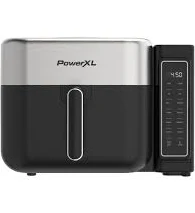
PowerXL Air Max Air Fryer 8qt
Avoid until PowerXL clarifies its non-stick coating type.
PowerXL won't disclose what non-stick material coats this air fryer's basket and trays or whether PFAS is present. Air fryer cooking surfaces often rely on Teflon-type coating-based coatings that contain PFAS.
The better-graded swap
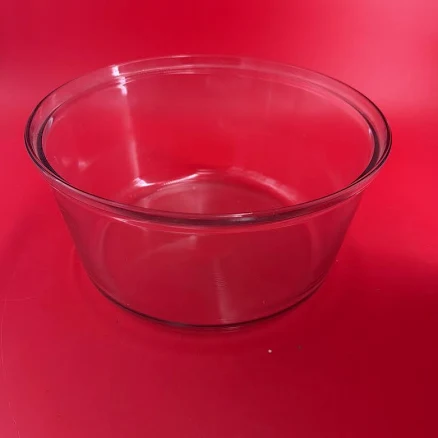
Big Boss
Big Boss Oil Less Fryer Air Fryer 16 Quart Replacement Clear Glass
75/100 safety
Same rubric that flunked this product. The swap earned Excellent.
Still want this one anyway? Check the price on Amazon. We’d swap it.
Material
non-stick coated cooking basket/tray (composition unspecified)
Brand disclosure
Brand is silent on PFAS
Lab data
No public lab test
You may also be interested in
Top-graded picks in the categories readers replace first, every one scored on the same rubric.

- polypropylene filter housing, carbon/sediment cartridge
- We found no PFAS statement from the brand
- Bacterial growth in spent cartridges
3 hazards checked on this product, all on its full breakdown.

Aquasure
Premier Series 75 GPD Under Sink Reverse Osmosis Water Filtration System
- RO membrane, carbon filters, stainless steel housing
- We found no PFAS statement from the brand
- Bacterial and microbial growth in housing and filters
4 hazards checked on this product, all on its full breakdown.

Avocado
Vegan Mattress
- organic cotton, natural latex, coconut coir, recycled steel coils
- The brand calls it PFAS-free, which we have not verified
- Heavy metals
2 hazards checked on this product, all on its full breakdown.
What PowerXL Air Max Air Fryer 8qt is made of, ingredients and materials
The PowerXL Air Max uses a non-stick coated cooking basket and tray, but the manufacturer does not publicly specify whether the coating is Teflon-type coating-based (traditional non-stick), ceramic, or hybrid. This is critical because Teflon-type coating coatings can release fumes if overheated (above ~500°F), while ceramic coatings present different degradation risks. The basket material underneath the coating (aluminum or steel) also matters for potential leaching under acidic or salty foods, but PowerXL does not disclose this detail either.
What’s concerning
Category baseline
The starting point for this type of product, before anything specific to this product is counted.
No PFAS disclosure
No public statement from the brand about PFAS in this product.
Non-stick, chemistry undisclosed
Marketed as non-stick without stating the coating chemistry.
Teflon-type coating fume inhalation risk (thermal decomposition)
If the coating is Teflon-type coating-based and not explicitly stated, overheating above 500°F could release Teflon-type coating decomposition products. Most air fryers cap at 400°F, but user error or malfunction poses residual risk. PowerXL does not publish safety guidance specific to coating type.
Non-stick coating degradation and microflaking
Budget non-stick coatings typically show visible wear within 18-36 months of regular use. PowerXL's lack of coating warranty or specification suggests lower durability. Flaked coating particles in food have low acute toxicity but represent a quality control concern.
Aluminum leaching from basket substrate
If the basket is aluminum beneath the non-stick layer, acidic foods (tomatoes, citrus, vinegar) or high-salt recipes can gradually leach aluminum if the coating is scratched or degraded. Risk is low at normal dietary levels but higher in heavy or daily users.
Coating manufacturing volatile organic compounds (VOCs) off-gassing
New non-stick cookware often releases mild chemical odors during first few uses. PowerXL does not specify coating curing protocols or off-gassing safety data. Ventilate the kitchen during initial use runs.
No published temperature or safety limits
PowerXL's product literature does not clearly specify maximum operating temperature or coating type, creating ambiguity for users about potential failure modes. This is a documentation hazard rather than a material hazard.
How is this PFAS grade calculated?
The brand's record and disclosure
PowerXL does not publicly disclose its non-stick coating chemistry, material certifications, or PFAS stance on its website or product packaging. No major safety recalls specific to coating hazards have been documented for this model, but the lack of transparency is typical of budget air fryer brands. Independent testing of PowerXL air fryer coatings is not widely published, so consumer-facing safety claims cannot be verified against third-party data.
How it compares in its category
Most mainstream air fryer brands (Cosori, Instant, Ninja) now disclose Teflon-type coating or ceramic coatings and publish max operating temperatures. Some premium brands offer titanium-reinforced non-stick or stainless steel interiors as alternatives. PowerXL's 8qt capacity and price point suggest cost optimization, which often correlates with less transparent coating formulations and earlier coating degradation in budget models over 2-3 years of heavy use.
If you buy it
Never exceed the manufacturer's stated max temperature (typically 400°F for air fryers); overheating is the primary risk pathway for non-stick coatings. Inspect the basket and tray quarterly for scratches, peeling, or discoloration; replace if the coating visibly degrades. Hand-wash baskets gently and avoid metal utensils; dishwasher exposure accelerates coating wear. Keep the unit well-ventilated during use, and if you notice any unusual odor, stop immediately and contact PowerXL or discontinue use.
What is not known about PFAS in this product?
- Basis
- Model estimate, 35% confidence, not a lab result
- Lab test
- None on record for this exact product
- Brand statement
- PowerXL has made none
Formulations change between production runs, so check the current label. How we grade.
What are the PFAS-free alternatives to PowerXL Air Max Air Fryer 8qt?
- borosilicate glass, bare uncoated
- We found no PFAS statement from the brand
- Thermal shock and fracture
2 hazards checked on this product, all on its full breakdown.
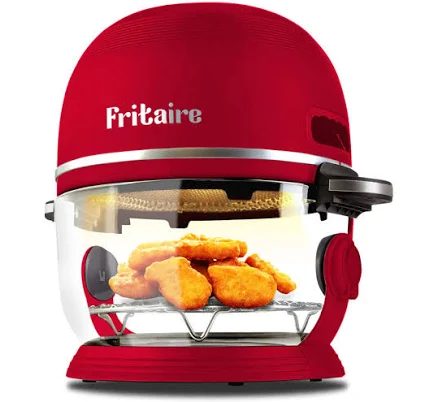
- borosilicate glass
- We found no PFAS statement from the brand
- Aluminum leaching from base/housing
4 hazards checked on this product, all on its full breakdown.
Find an alternative on Amazon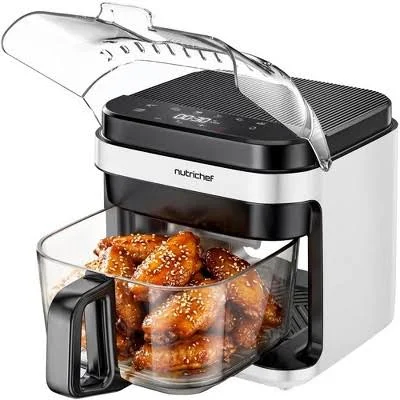
- glass bowl, stainless steel exterior
- We found no PFAS statement from the brand
- Thermal stress and glass breakage
2 hazards checked on this product, all on its full breakdown.
Find an alternative on AmazonMore air fryers grades
How we score, every product runs through the same public 0-100 rubric based on materials, coatings, brand disclosure, lab findings, and recalls. See the full methodology → Spotted a mistake? Report an error.