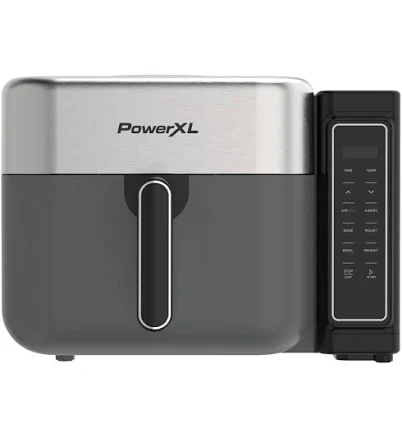
Powerxl AirMax 8 Quart Air Fryer Oven
Avoid until PowerXL reveals its non-stick coating formula.
PowerXL's AirMax 8-quart model uses non-stick cooking surfaces but provides no coating details or PFAS information. Traditional Teflon-type coating coatings dominate the air fryer market, making this silence concerning.
The better-graded swap
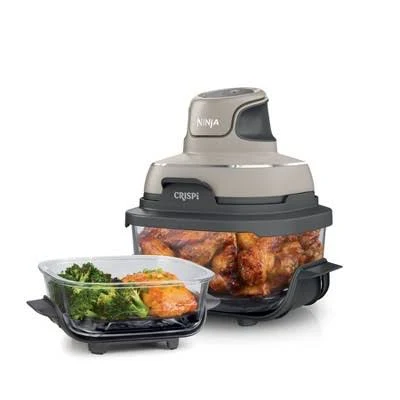
Ninja
Ninja Crispi 4-in-1 Portable Glass Air Fryer Cooking System
75/100 safety
Same rubric that flunked this product. The swap earned Excellent.
Still want this one anyway? Check the price on Amazon. We’d swap it.
Material
non-stick coated cooking surfaces (type unspecified)
Brand disclosure
Brand is silent on PFAS
Lab data
No public lab test
You may also be interested in
Top-graded picks in the categories readers replace first, every one scored on the same rubric.

- polypropylene filter housing, carbon/sediment cartridge
- We found no PFAS statement from the brand
- Bacterial growth in spent cartridges
3 hazards checked on this product, all on its full breakdown.

Aquasure
Premier Series 75 GPD Under Sink Reverse Osmosis Water Filtration System
- RO membrane, carbon filters, stainless steel housing
- We found no PFAS statement from the brand
- Bacterial and microbial growth in housing and filters
4 hazards checked on this product, all on its full breakdown.

Avocado
Vegan Mattress
- organic cotton, natural latex, coconut coir, recycled steel coils
- The brand calls it PFAS-free, which we have not verified
- Heavy metals
2 hazards checked on this product, all on its full breakdown.
What Powerxl AirMax 8 Quart Air Fryer Oven is made of, ingredients and materials
The PowerXL AirMax 8 Quart uses non-stick coated cooking surfaces, but PowerXL has not publicly disclosed whether these coatings contain Teflon-type coating (Teflon) or Teflon-type coating-free alternatives like ceramic or silicone-based systems. This ambiguity is the core safety issue, as Teflon-type coating-coated cookware poses thermal decomposition risks above 500°F. Air fryers operate in the 300-400°F range typically, but coating degradation and fume emission depend on whether the product uses older Teflon-type coating formulations or newer non-PFOA Teflon-type coating variants.
What’s concerning
Category baseline
The starting point for this type of product, before anything specific to this product is counted.
No PFAS disclosure
No public statement from the brand about PFAS in this product.
Non-stick, chemistry undisclosed
Marketed as non-stick without stating the coating chemistry.
Teflon-type coating thermal decomposition and fume release
If non-stick coating contains Teflon-type coating (Teflon), heating above 500°F can release toxic fumes (Teflon-type coating-fume fever). PowerXL's silence on coating chemistry prevents confirmation, but air fryers typically operate 300-400°F, a range with lower concern for coating degradation if coatings remain intact and well-formulated.
Non-stick coating degradation and leaching
Scratched or peeling non-stick coatings on any air fryer basket release microparticles and potentially residual monomers into food. This product's larger 8-quart capacity means more surface area exposed to repeated heating and cooling cycles, which may accelerate wear.
Bacterial growth in crevices and seals
Air fryer baskets and trays accumulate grease in seams and gasket areas. Incomplete cleaning or high-moisture environments can foster bacterial growth. The 8-quart size may complicate thorough cleaning of tight spaces.
What’s reassuring
Aluminum substrate leaching
If the cooking basket is aluminum under the non-stick coating (standard in this category), intact coatings prevent direct contact. No specific leaching reports exist for PowerXL air fryers, but damaged coatings could theoretically expose aluminum to acidic foods.
Housing and non-cooking surface materials
Exterior plastics and internal components are not publicly detailed by PowerXL. Standard air fryer housings use heat-resistant polycarbonate or silicone; no known contamination reports for PowerXL units, but material specs are unavailable for independent verification.
How is this PFAS grade calculated?
The brand's record and disclosure
PowerXL has maintained silence on non-stick chemistry across its product line, offering no certification letters, material safety data sheets, or public statements clarifying Teflon-type coating status or PFAS-free claims. The brand has no known safety recalls or regulatory actions on record for air fryer units, but the absence of transparency on coating composition is a significant red flag in an industry where competitors like Ninja and Cosori have begun publishing non-stick material specifications in response to consumer PFAS concerns.
How it compares in its category
The PowerXL AirMax 8 Quart sits in the mid-market convection air fryer segment. Competitors such as Instant Pot and Ninja have begun marketing Teflon-type coating-free or ceramic-coated baskets; PowerXL's refusal to disclose places it in a less transparent position, though this does not confirm PFAS use. The 8-quart capacity is larger than typical, which increases surface area for potential leaching if coatings degrade, though larger units often run at slightly lower temperatures due to air circulation dynamics.
If you buy it
Never exceed 400°F; check the manual for the maximum safe temperature and stay below it consistently. Inspect the non-stick coating monthly for peeling, discoloration, or scoring; discontinue use immediately if damage appears. Hand-wash the basket and tray with soft brushes only (dishwasher use can accelerate coating failure). Contact PowerXL directly and request written confirmation of non-stick coating type before purchase if PFAS exposure is a household concern; lack of response should factor into your decision.
What is not known about PFAS in this product?
- Basis
- Model estimate, 35% confidence, not a lab result
- Lab test
- None on record for this exact product
- Brand statement
- PowerXL has made none
Formulations change between production runs, so check the current label. How we grade.
What are the PFAS-free alternatives to Powerxl AirMax 8 Quart Air Fryer Oven?
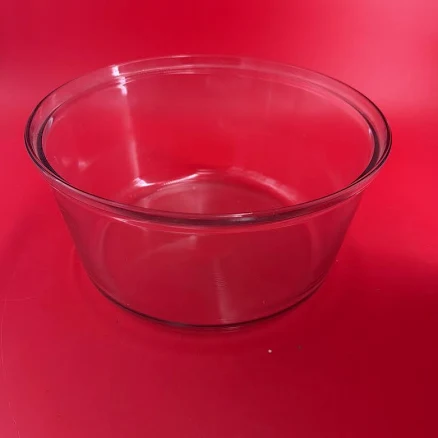
- borosilicate glass, bare uncoated
- We found no PFAS statement from the brand
- Thermal shock and fracture
2 hazards checked on this product, all on its full breakdown.
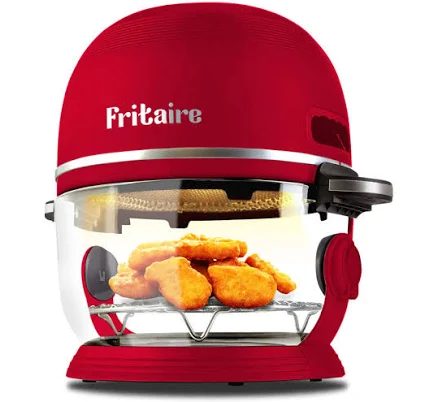
- borosilicate glass
- We found no PFAS statement from the brand
- Aluminum leaching from base/housing
4 hazards checked on this product, all on its full breakdown.
Find an alternative on Amazon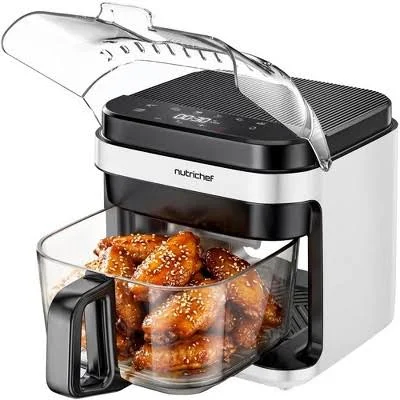
- glass bowl, stainless steel exterior
- We found no PFAS statement from the brand
- Thermal stress and glass breakage
2 hazards checked on this product, all on its full breakdown.
Find an alternative on AmazonMore air fryers grades
How we score, every product runs through the same public 0-100 rubric based on materials, coatings, brand disclosure, lab findings, and recalls. See the full methodology → Spotted a mistake? Report an error.