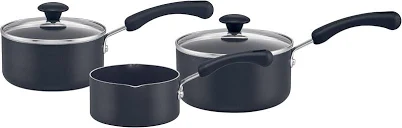
Prestige Diamond Shield Non-Stick 3 Piece pan Set-milkpan, 16 and 18cm saucepans, Aluminium, Is It Non-Toxic?
Coating composition undisclosed, making PFAS risk impossible to assess.
Prestige gives no coating details or PFAS information for this three-piece set. While the aluminum base presents lower concern, the nonstick surface composition remains a mystery.
The better-graded swap
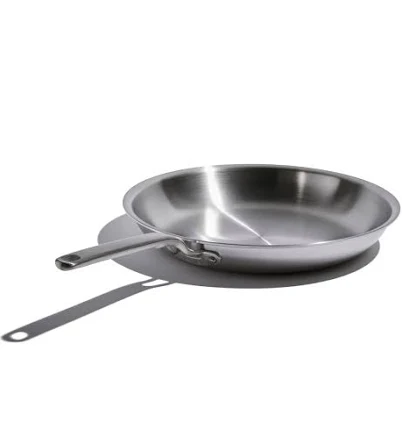
Heritage Steel
Heritage Steel Eater Fry Pan
100/100 safety
Same rubric that flunked this product. The swap earned Excellent.
Still want this one anyway? Check the price on Amazon. We’d swap it.
Material
Aluminium with unspecified non-stick coating
Brand disclosure
Brand is silent on PFAS
Lab data
No public lab test
You may also be interested in
Top-graded picks in the categories readers replace first, every one scored on the same rubric.

- polypropylene filter housing, carbon/sediment cartridge
- We found no PFAS statement from the brand
- Bacterial growth in spent cartridges
3 hazards checked on this product, all on its full breakdown.

Aquasure
Premier Series 75 GPD Under Sink Reverse Osmosis Water Filtration System
- RO membrane, carbon filters, stainless steel housing
- We found no PFAS statement from the brand
- Bacterial and microbial growth in housing and filters
4 hazards checked on this product, all on its full breakdown.

Avocado
Vegan Mattress
- organic cotton, natural latex, coconut coir, recycled steel coils
- The brand calls it PFAS-free, which we have not verified
- Heavy metals
2 hazards checked on this product, all on its full breakdown.
Is Prestige Diamond Shield Aluminium non-toxic? What it is made of
This set uses aluminum as the base metal, which is lightweight and conducts heat well but is inherently reactive with acidic foods. The non-stick coating type is not specified by Prestige, which is a significant gap since modern coatings range from Teflon-type coating-based (heat-sensitive) to ceramic or silicone alternatives (more stable). Without manufacturer transparency on the specific coating chemistry, you cannot assess whether it contains PFOA-free or PFAS-containing compounds, or how resistant it is to degradation under normal kitchen use.
What’s concerning
Category baseline
The starting point for this type of product, before anything specific to this product is counted.
No PFAS disclosure
No public statement from the brand about PFAS in this product.
Non-stick, chemistry undisclosed
Marketed as non-stick without stating the coating chemistry.
Teflon-type coating/non-stick coating fume risk (thermal decomposition)
Coating type is undisclosed; if Teflon-type coating-based, overheating above 500F can release fluorinated polymeric fumes. Risk is low with normal stovetop use but real if pans are left unattended or exposed to high direct heat.
Aluminum leaching into food
Bare aluminum or thin coatings can leach into acidic or salty foods (tomatoes, citrus, vinegar). The undisclosed coating thickness/type means you cannot confirm barrier adequacy. Long-term aluminum accumulation is debated but flagged by some health agencies at high dietary levels.
Coating degradation and flaking over time
Budget non-stick cookware typically shows surface wear within 1-3 years of regular use. Once coating begins to flake or peel, continued cooking risks ingesting coating particles and exposing reactive aluminum underneath; replacement is necessary.
Undisclosed chemical composition
Prestige does not publicly specify whether the non-stick coating is Teflon-type coating, ceramic, silicone, or hybrid; this prevents independent assessment of heating safety limits or long-term off-gassing potential. This lack of transparency is a consumer information hazard even if the coating itself presents lower concern.
What’s reassuring
Lead
No evidence of enameled surfaces on this bare aluminum product, but if any colored decorative coating exists on handles or rims, third-party testing would be needed to rule out heavy metal pigments. Not confirmed in available product literature.
Source, ATSDR ↗How is this PFAS grade calculated?
The brand's record and disclosure
Prestige is a major Indian cookware manufacturer owned by TTK Prestige Ltd, established in the Indian market since 1955. The brand has not publicly released detailed safety data sheets or coating composition information for this product line. No major recalls or documented health controversies have been identified in public records for this specific product, but the lack of proactive PFAS or chemical transparency is consistent with many mainstream cookware brands that do not volunteer detailed material certifications to consumers.
How it compares in its category
This three-piece set is positioned as budget-friendly non-stick aluminum cookware. It sits below premium brands like All-Clad or Le Creuset (which disclose coatings and offer longer warranties) and roughly level with mass-market brands like Calphalon or T-fal that similarly do not always fully disclose non-stick chemistry upfront. The aluminum-with-unknown-coating approach is standard for budget segments but carries higher uncertainty about coating durability and composition compared to established hard-anodized or ceramic-coated alternatives.
If you buy it
Keep temperatures below medium-high heat; non-stick coatings degrade faster at sustained high temperatures, risking fume release and coating flaking. Avoid metal utensils and abrasive scrubbing, which accelerate coating failure. Hand wash only (not dishwasher) to extend coating life. Replace the pans if the non-stick surface visibly chips, peels, or becomes rough, as continued use may expose aluminum or release coating fragments. Do not preheat empty pans, which can overheat the coating; always add oil or food before heating.
What is not known about PFAS in this product?
- Basis
- Model estimate, 35% confidence, not a lab result
- Lab test
- None on record for this exact product
- Brand statement
- Prestige has made none
Formulations change between production runs, so check the current label. How we grade.
What are the PFAS-free alternatives to Prestige Diamond Shield Non-Stick 3 Piece pan Set-milkpan, 16 and 18cm saucepans, Aluminium?
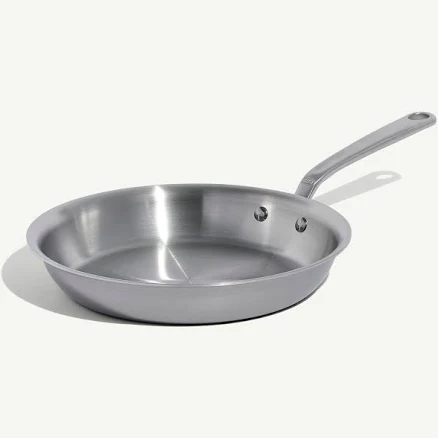
- Stainless steel clad construction, no nonstick coating
- The brand calls it PFAS-free, which we have not verified
- Clad separation or delamination over time
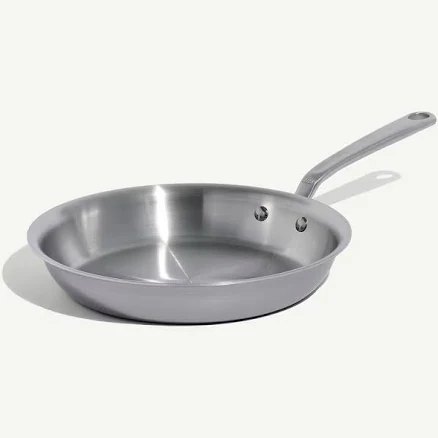
- stainless steel clad construction, no nonstick coating
- The brand calls it PFAS-free, which we have not verified
- Nickel leaching from stainless steel
3 hazards checked on this product, all on its full breakdown.
- Clad stainless steel, no coating
- The brand calls it PFAS-free, which we have not verified
- Metal ion release during cooking (iron, nickel, chromium)
More cookware grades
How we score, every product runs through the same public 0-100 rubric based on materials, coatings, brand disclosure, lab findings, and recalls. See the full methodology → Spotted a mistake? Report an error.