Pyrex Review, Is Pyrex Non-Toxic?
Pyrex averages 63 out of 100 on PFAS Authority's PFAS and toxin screen across the 20 Pyrex products graded as of October 2026, and 12 of them reach its 70 point pass mark.
Pyrex grades Good on our four-band scale.
PFAS Authority is a scoring system, not a laboratory. We do not test products ourselves. Grades are model-based, built from published ingredients, materials, certifications, brand disclosures and third-party lab results where they exist. See the rubric.
What Pyrex says and does about PFAS
Pyrex is a Corning trademark run by different licensees in different regions, and their PFAS claims are not the same. The UK site says every Pyrex product is guaranteed PFAS-free, naming its coated aluminium pans as well as its glass. The US site makes a narrower, product-level claim, saying its metal bakeware is intentionally made without PFAS and describing that coating as silicone rather than a fluoropolymer. The Corelle Brands statement that covers the US range applies to plastic items only and says nothing about any nonstick coating.
- Brand statementThe UK Pyrex site says every container, accessory and utensil, including glass food storage, metal baking tins and coated aluminium frying pans and saucepans, is free from PFAS, and calls the whole range guaranteed PFAS-free. Pyrex UK ↗
- Brand statementThe US Pyrex site says its metal bakeware is intentionally made without PFAS, mercury, lead, cadmium or BPA. That claim is attached to the bakeware line rather than to the whole range. Pyrex Home (US) ↗
- MaterialsOn the same US page the coating is described as a dual-layer non-stick silicone coating, which is the basis for the PFAS-free claim on that line. Pyrex Home (US) ↗
- Brand statementThe Corelle Brands FAQ, which covers the US Pyrex range, says its plastic items do not contain PFAS. That statement is scoped to plastic lids and storage items and does not address any nonstick coating. Corelle Brands ↗
Sources checked October 1, 2026. A brand statement is the company’s own claim, which we report but have not verified. Our grades are model-based estimates, not lab tests.
Pyrex is one of the brands we researched by hand for our record of what every brand has published about PFAS, where the same question is answered for each of them in one line.
You may also be interested in
Top-graded picks in the categories readers replace first, every one scored on the same rubric.

- polypropylene filter housing, carbon/sediment cartridge
- We found no PFAS statement from the brand
- Bacterial growth in spent cartridges
3 hazards checked on this product, all on its full breakdown.

Aquasure
Premier Series 75 GPD Under Sink Reverse Osmosis Water Filtration System
- RO membrane, carbon filters, stainless steel housing
- We found no PFAS statement from the brand
- Bacterial and microbial growth in housing and filters
4 hazards checked on this product, all on its full breakdown.

Avocado
Vegan Mattress
- organic cotton, natural latex, coconut coir, recycled steel coils
- The brand calls it PFAS-free, which we have not verified
- Heavy metals
2 hazards checked on this product, all on its full breakdown.
Does Pyrex have PFAS, by category
Which Pyrex products are PFAS-free? Good or better, best-graded first
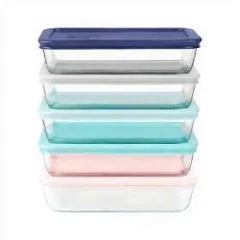
- borosilicate glass with metal lids (likely stainless steel or aluminum)
- Metal lid corrosion and leaching. Stainless steel and aluminum lids can corrode if exposed to acidic foods…
3 hazards checked on this product, all on its full breakdown.
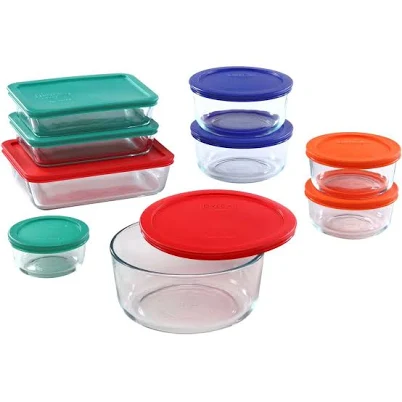
- borosilicate glass with plastic lids
- PFAS. Polypropylene lids can leach trace compounds when exposed to heat or acidic foods over extended…
4 hazards checked on this product, all on its full breakdown.
- Borosilicate glass containers with plastic lids (PP/TPE closure material unspecified)
- Microplastics. Polypropylene and TPE lids can degrade over repeated heating cycles or extended UV exposure…
4 hazards checked on this product, all on its full breakdown.
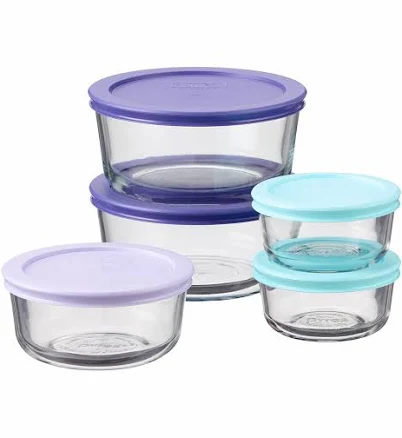
- borosilicate glass containers with plastic lids
- BPA & bisphenols. Pyrex does not disclose whether PP lids contain BPA, phthalates, or other additives. PP is…
3 hazards checked on this product, all on its full breakdown.
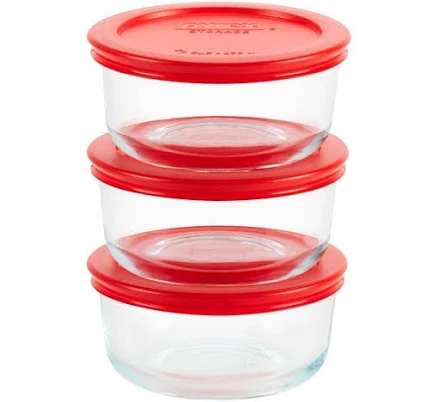
- borosilicate glass container, plastic lids (likely polypropylene or polyethylene)
- Plastic lid degradation and microplastic release. Polypropylene and polyethylene lids can soften, warp, or…
2 hazards checked on this product, all on its full breakdown.
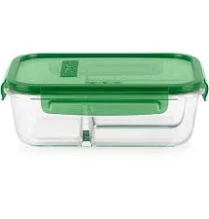
- borosilicate glass, plastic lids
- BPA & bisphenols. Pyrex does not publicly disclose lid resin type or BPA-free status. Risk is present if lids…
4 hazards checked on this product, all on its full breakdown.
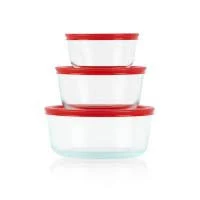
- borosilicate glass with plastic lids
- Plastic lid degradation and replacement necessity. Polypropylene lids in this set will soften, discolor, or…
4 hazards checked on this product, all on its full breakdown.
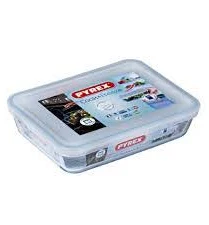
- borosilicate glass, polypropylene lid
- Glass breakage and sharp edges. Borosilicate glass is impact-resistant but not shatterproof. If broken, sharp…
2 hazards checked on this product, all on its full breakdown.
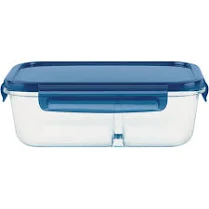
- borosilicate glass, plastic lid
- BPA & bisphenols. Manufacturer does not specify the plastic resin (e.g., polypropylene, polycarbonate…
4 hazards checked on this product, all on its full breakdown.
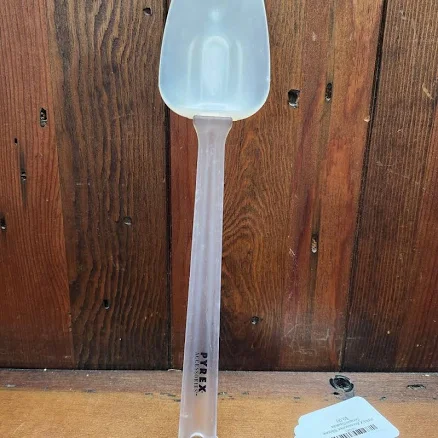
- Glass or silicone handle
- Silicone handle degradation. Vintage silicone handles may weaken or crack over decades of use and heat…
2 hazards checked on this product, all on its full breakdown.
Find an alternative on Amazon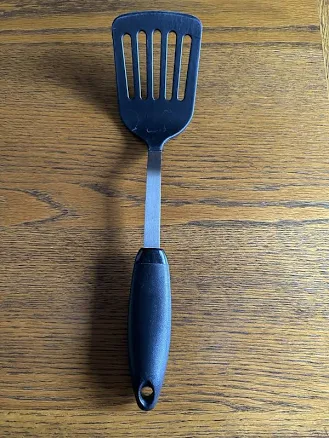
- Nylon slotted head, stainless steel handle
- Nylon thermal degradation. Nylon can begin to soften and degrade above 400-500°F. Normal stovetop cooking…
2 hazards checked on this product, all on its full breakdown.
Find an alternative on Amazon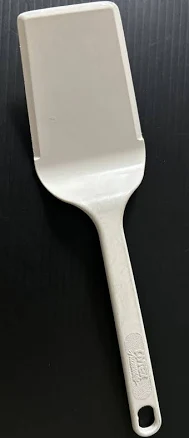
- Nylon handle with thermoplastic or phenolic head
- Nylon degradation and microplastic shedding. Aged nylon can become brittle and may shed small particles…
2 hazards checked on this product, all on its full breakdown.
Find an alternative on AmazonWhich Pyrex products contain PFAS? Poor and Bad, we’d swap these
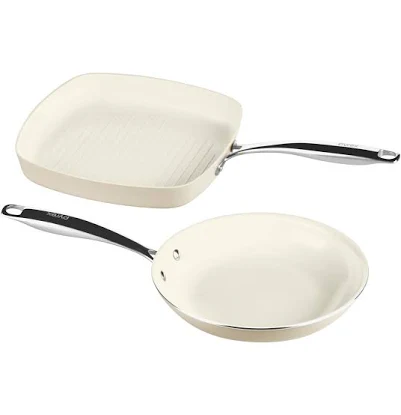
- ceramic cookware
- Lead. Ceramic glazes can contain lead or cadmium as colorants or flux agents. Pyrex does not publish glaze…
3 hazards checked on this product, all on its full breakdown.
Find an alternative on Amazon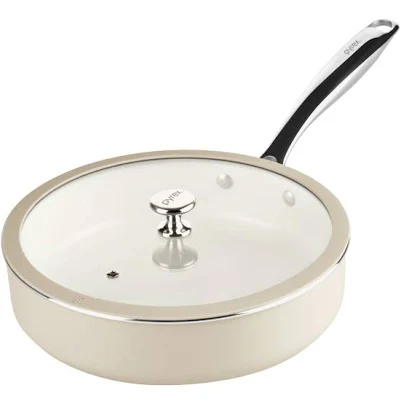
- ceramic coating on glass base
- Ceramic coating degradation over time. Ceramic coatings naturally wear with repeated use and thermal cycling.…
2 hazards checked on this product, all on its full breakdown.
Find an alternative on Amazon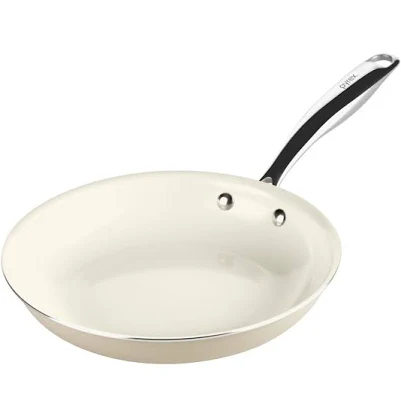
- Ceramic coating, stainless steel handles
- Ceramic coating degradation and microabrasion. Ceramic coatings are susceptible to chipping, flaking, and…
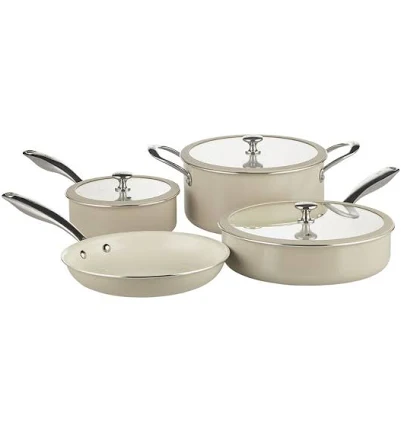
- ceramic nonstick coating
- Ceramic coating degradation and particle ingestion. Ceramic nonstick coatings are known to chip, flake, or…
3 hazards checked on this product, all on its full breakdown.
Find an alternative on Amazon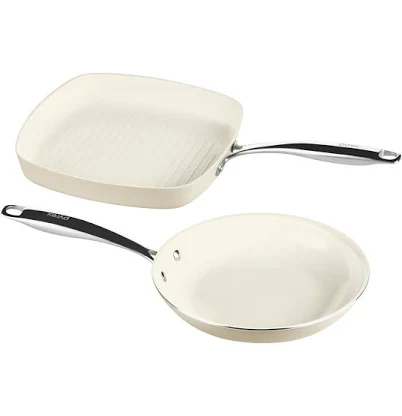
- Ceramic non-stick coating
- Coating degradation over time. Ceramic non-stick coatings are prone to wear from repeated use, thermal…
4 hazards checked on this product, all on its full breakdown.
Find an alternative on Amazon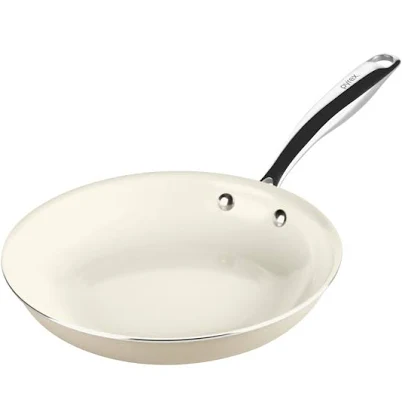
- ceramic non-stick coating
- Ceramic non-stick coating degradation over time. Ceramic coatings are prone to wear, chipping, and peeling…
3 hazards checked on this product, all on its full breakdown.
Find an alternative on Amazon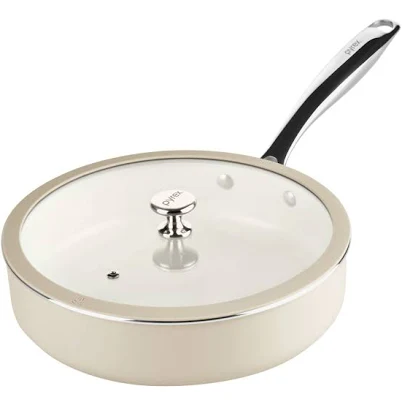
- Ceramic (non-stick coating not Teflon-type coating-based)
- Non-stick coating leaching (unstated chemistry). The ceramic coating's undisclosed formulation means…
3 hazards checked on this product, all on its full breakdown.
Find an alternative on Amazon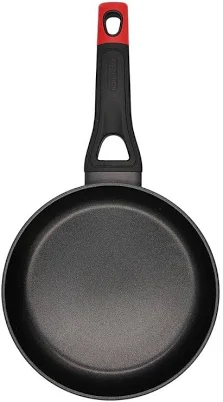
- Non-stick coating (type unspecified)
- Teflon-type coating thermal degradation and fume inhalation risk. If this pan uses Teflon-type coating-based…
5 hazards checked on this product, all on its full breakdown.
Find an alternative on AmazonWhat to buy instead Good or better, in the categories Pyrex sells
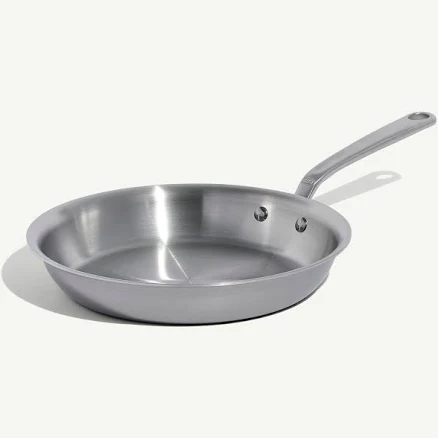
- Stainless steel clad construction, no nonstick coating
- The brand calls it PFAS-free, which we have not verified
- Clad separation or delamination over time
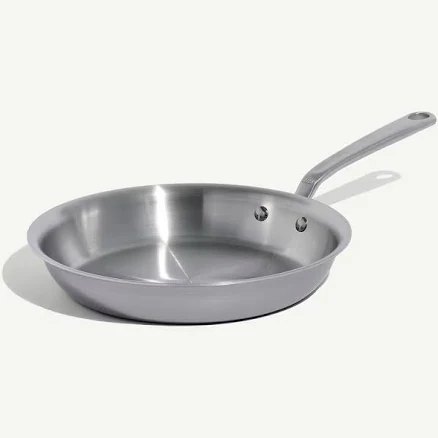
- stainless steel clad construction, no nonstick coating
- The brand calls it PFAS-free, which we have not verified
- Nickel leaching from stainless steel
3 hazards checked on this product, all on its full breakdown.
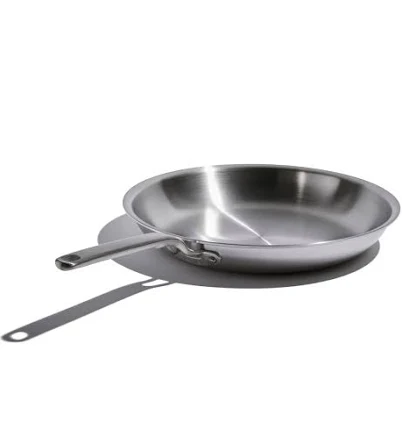
- Clad stainless steel, no coating
- The brand calls it PFAS-free, which we have not verified
- Metal ion release during cooking (iron, nickel, chromium)
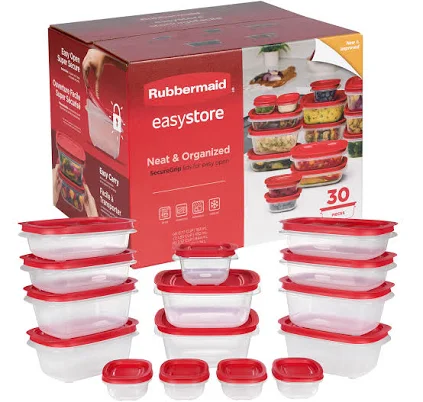
- polypropylene (PP) plastic containers and lids
- We found no PFAS statement from the brand
- Microplastics
3 hazards checked on this product, all on its full breakdown.
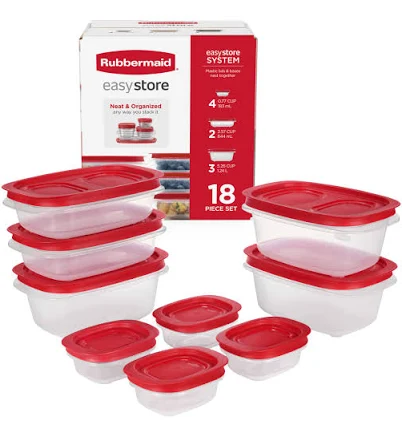
- polypropylene (PP) plastic containers and lids
- We found no PFAS statement from the brand
- Microplastics
2 hazards checked on this product, all on its full breakdown.
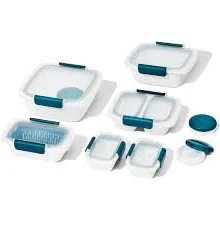
- Polypropylene (PP) plastic containers with silicone gaskets
- Microplastics
Pyrex and PFAS, common questions
- Does Pyrex have PFAS?
- Pyrex averages 63 out of 100 on PFAS Authority's PFAS and toxin screen across the 20 Pyrex products graded as of October 2026, and 12 of them reach its 70 point pass mark. Grades are model-based estimates built from published materials, ingredients and disclosures, not lab tests. The UK Pyrex site says every Pyrex product is guaranteed PFAS-free including its coated aluminium pans. The US site makes a narrower claim, saying its metal bakeware is intentionally made without PFAS and naming silicone as that coating, so which Pyrex business made the claim matters.
- Is Pyrex non-toxic?
- Pyrex Glass Meal Prep Set is the highest-graded Pyrex product we have scored, at 80/100. It depends on the product line rather than the brand, so check the grade of the exact item you are buying.
- Which Pyrex products are lower concern for PFAS?
- The highest-graded Pyrex products we have scored are Pyrex Glass Meal Prep Set, PYREX 18-Piece Clear Glass Food Storage Container Set, Pyrex Freshlock 10-Piece Glass Storage Set. That is our model-based estimate from materials and public disclosure, not a lab test.
- Which Pyrex products should I avoid?
- The lowest-graded Pyrex products we have scored are Pyrex Optima+ Non-stick Frying Pan, Pyrex Ceramic Deep Fry Pan with Lid, Pyrex Ceramic Fry Pan 10-in. Each one links to the evidence behind its grade.
Every grade uses the same public rubric. How grades work →