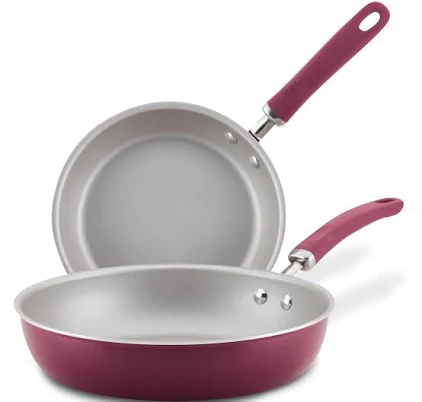
Rachael Ray Create Delicious Nonstick Induction Frying Pan Set
Nonstick cookware with unspecified coating; PFAS risk unclear without brand disclosure.
Rachael Ray does not publicly disclose the nonstick coating chemistry for this pan set. Standard nonstick cookware often uses Teflon-type coating-based coatings linked to PFAS, though newer alternatives exist. Request coating details from the manufacturer before purchase if PFAS avoidance is important.
The better-graded swap
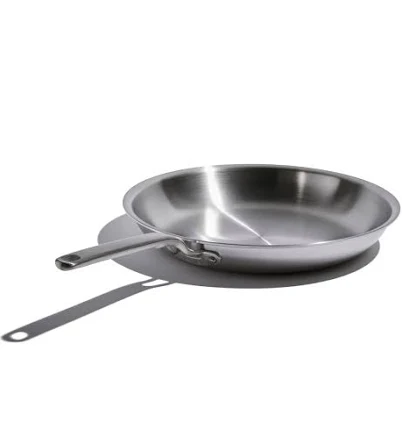
Heritage Steel
Heritage Steel Eater Fry Pan
100/100 safety
Same rubric that flunked this product. The swap earned Excellent.
Still want this one anyway? Check the price on Amazon. We’d swap it.
Material
Nonstick coating, type unspecified
Brand disclosure
Brand is silent on PFAS
Lab data
No public lab test
Is Rachael Ray Create Delicious Nonstick non-toxic? What it is made of
Rachael Ray Create Delicious cookware uses a proprietary nonstick coating that the brand does not publicly specify as Teflon-type coating-free or Teflon-type coating-based, which is the core safety question for nonstick pans. The pan body is likely hard anodized aluminum or stainless steel (induction-compatible models typically use steel or ferrous bottoms). Without explicit material disclosure, the nonstick resin chemistry remains opaque, making PFAS content impossible to verify from public sources. This lack of transparency is common in budget cookware lines but leaves users without confirmation of coating safety profile.
What’s concerning
Category baseline
The starting point for this type of product, before anything specific to this product is counted.
No PFAS disclosure
No public statement from the brand about PFAS in this product.
Non-stick, chemistry undisclosed
Marketed as non-stick without stating the coating chemistry.
Teflon-type coating fume risk (inhalation hazard if overheated)
If this pan uses traditional Teflon-type coating (Teflon), overheating above 500°F can release fumes causing polymer fume fever. The unspecified coating means Teflon-type coating use is unconfirmed but not ruled out. Induction cookware often runs cooler than gas/electric, reducing but not eliminating risk if heat control is lost.
Coating degradation and ingestion of coating fragments
Nonstick coatings on budget pans commonly chip or peel with normal use and washing. While coating fragments themselves are generally inert in the digestive tract, visible coating loss signals replacement is overdue and indicates compromised nonstick performance.
Aluminum leaching (if aluminum core uncoated or exposed)
Hard anodized aluminum minimizes leaching, but if the pan is damaged or the nonstick coating is compromised, aluminum can leach into acidic or salty foods. Typical nonstick pans have adequate anodizing to prevent this under normal use, but long-term migration risk increases as coating degrades.
What’s reassuring
Lead
No recalls or public reports of lead/cadmium contamination in Rachael Ray Create Delicious pans. Modern U.S. cookware manufacturers face FDA oversight, making lead in base metals unlikely, but enameled lids or painted handles are not routinely tested or reported unless a recall occurs.
Source, ATSDR ↗The full breakdown
The brand's record and disclosure
Rachael Ray (Groupe SEB/T-fal parent company) does not publish detailed coating chemistry or PFAS phase-out commitments for this product line. The brand has not faced major recalls specific to nonstick coating failure or PFAS migration in widely reported incidents, but absence of recalls does not confirm safety testing. No third-party certifications (e.g., GreenPan, Our Place transparency standards) are marketed for this product. The silence on coating composition is typical of mass-market cookware and reflects minimal regulatory pressure rather than confirmed safety.
How it compares in its category
This pan sits in the budget-to-midrange nonstick segment where coating opacity is standard. Compared to premium brands (GreenPan, Our Place, Caraway) that explicitly market ceramic or Teflon-type coating-free alternatives, Rachael Ray Create Delicious offers no comparable disclosure advantage. Versus store-brand nonstick (Calphalon, T-fal, Circulon under same parent), the feature set is similar but lacks brand-specific certifications. Induction compatibility is a genuine advantage over many traditional nonstick pans, though it does not address coating chemistry.
If you buy it
Use on medium heat or lower; high heat accelerates nonstick coating breakdown and increases any fume risk if coating is Teflon-type coating-based. Hand wash gently to extend coating life (dishwasher degrades nonstick faster). Replace the pan if coating visibly chips, flakes, or peels; this signals end-of-life regardless of PFAS status. Do not preheat empty above medium heat, and avoid metal utensils. Store with care to prevent surface scratching. Plan on replacement within 3 to 5 years of regular use, as budget nonstick coatings degrade faster than premium alternatives.
What we don’t know
- Basis
- Model estimate, 35% confidence, not a lab result
- Lab test
- None on record for this exact product
- Brand statement
- Rachael Ray has made none
Formulations change between production runs, so check the current label. How we grade.
Better-graded alternatives in Cookware
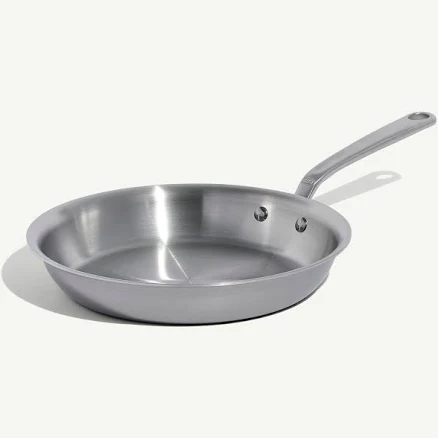
Made In
Stainless Clad Fry Pan
- Stainless steel clad construction, no nonstick coating
- The brand calls it PFAS-free, which we have not verified
- Clad separation or delamination over time
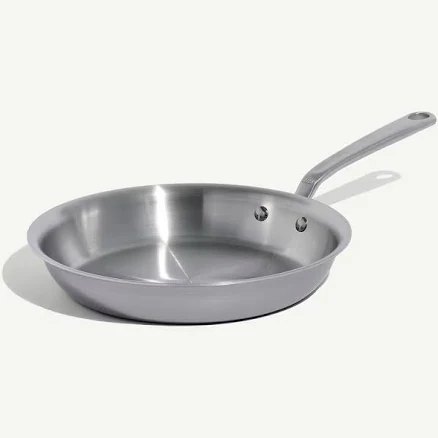
Made In
10' Stainless Clad Frying Pan
- stainless steel clad construction, no nonstick coating
- The brand calls it PFAS-free, which we have not verified
- Nickel leaching from stainless steel
3 hazards checked on this product. See all of them.
Heritage Steel
Eater Fry Pan
- Clad stainless steel, no coating
- The brand calls it PFAS-free, which we have not verified
- Metal ion release during cooking (iron, nickel, chromium)
More cookware grades
How we score, every product runs through the same public 0-100 rubric based on materials, coatings, brand disclosure, lab findings, and recalls. See the full methodology → Spotted a mistake? Report an error.