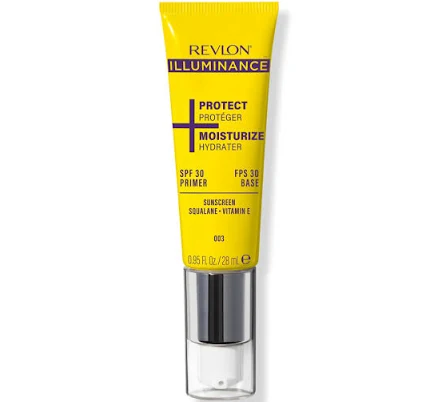
Revlon Illuminance Protect + Moisturize Primer SPF 30
Limited risk cosmetic; no PFAS data available for verification.
Revlon does not disclose PFAS content or source ingredient data for this primer. Cosmetic primers are low-risk products, but brand transparency on chemistry remains absent.
The better-graded swap
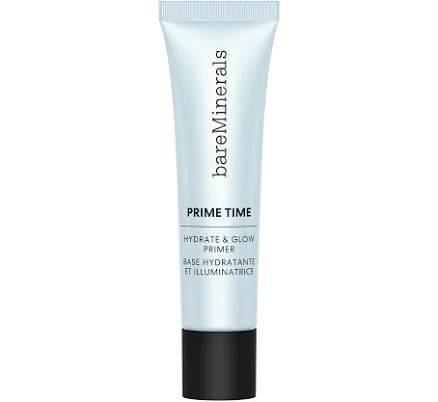
Bare Minerals
bareMinerals Prime Time Hydrate & Glow Primer
100/100 safety
Same rubric that flunked this product. The swap earned Excellent.
Still want this one anyway? Check the price on Amazon. We’d swap it.
Material
emulsion base with mineral UV filters and moisturizers
Lab data
No public lab test
You may also be interested in
Top-graded picks in the categories readers replace first, every one scored on the same rubric.

- polypropylene filter housing, carbon/sediment cartridge
- We found no PFAS statement from the brand
- Bacterial growth in spent cartridges
3 hazards checked on this product, all on its full breakdown.

Aquasure
Premier Series 75 GPD Under Sink Reverse Osmosis Water Filtration System
- RO membrane, carbon filters, stainless steel housing
- We found no PFAS statement from the brand
- Bacterial and microbial growth in housing and filters
4 hazards checked on this product, all on its full breakdown.

Avocado
Vegan Mattress
- organic cotton, natural latex, coconut coir, recycled steel coils
- The brand calls it PFAS-free, which we have not verified
- Heavy metals
2 hazards checked on this product, all on its full breakdown.
What Revlon Illuminance Protect Primer SPF is made of, ingredients and materials
This primer is an oil-in-water emulsion with mineral UV filters (likely zinc oxide or titanium dioxide) rather than chemical absorbers, which eliminates the concern for oxybenzone or avobenzone degradation. Moisturizers in this class typically include glycerin, dimethicone, or plant oils. Mineral filter particles remain on skin surface rather than penetrating, reducing systemic absorption risk compared to chemical sunscreen primers.
What’s concerning
Category baseline
The starting point for this type of product, before anything specific to this product is counted.
No PFAS disclosure
No public statement from the brand about PFAS in this product.
Fragrance allergens and sensitizers
Revlon primers typically contain fragrance blends; no specific allergen disclosure is on record for this SKU. Individuals with fragrance sensitivity or contact dermatitis history should perform a patch test before full-face application.
1,4-dioxane in emulsifiers or preservatives
Emulsifiers derived from ethoxylated surfactants (common in mainstream primers) may contain trace 1,4-dioxane as a manufacturing byproduct. No independent testing of this specific SKU is publicly available; levels, if present, are typically below 10 ppm in rinse-off products.
What’s reassuring
Formaldehyde / VOCs
No formaldehyde-release preservatives (e.g., DMDM hydantoin, imidazolidinyl urea) have been documented in Revlon Illuminance formulations. Standard cosmetic preservative systems in this price tier are unlikely to rely on this mechanism.
Source, ATSDR ↗Heavy metals
Zinc oxide and titanium dioxide used as mineral filters are naturally derived and subject to purity standards; no lead or cadmium contamination has been reported for Revlon primers. Mineral filter pigments are less prone to heavy metal impurities than synthetic organic pigments.
Source, FDA ↗Talc contamination risk
This product is a liquid/emulsion primer, not a powder, so talc is not a structural ingredient. No asbestos cross-contamination risk applies to non-powder formulations in this category.
How is this PFAS grade calculated?
The brand's record and disclosure
Revlon is a major publicly traded cosmetics company subject to FDA oversight and standard labeling requirements. The brand does not make explicit sustainability or PFAS-avoidance claims on this product line. No significant product safety recalls or formaldehyde-releaser allegations have been established for Illuminance primers in public databases. Revlon maintains standard third-party testing and ingredient transparency typical of mass-market cosmetics.
How it compares in its category
Mineral-filter primers occupy a middle tier, they avoid chemical filter concerns but often cost more and may leave visible white cast compared to hybrid or chemical alternatives. This product sits in the mainstream drugstore segment where formulation oversight is consistent. Comparable products (e.g., Neutrogena, CoverGirl mineral primers) use similar mineral-filter architectures with no differentiation in hazard profile.
If you buy it
Store in a cool, dry place away from direct sunlight to prevent emulsion separation or mineral filter settling. Shelf life is typically 12-24 months unopened; discard if texture becomes grainy or separates noticeably. Patch test on inner arm if you have sensitive skin, as fragrance or preservative sensitivities are the main individual risk in this product class. Do not expose tube or bottle to temperatures above 40C (104F) to avoid compromising the emulsion stability.
What is not known about PFAS in this product?
- Basis
- Model estimate, 45% confidence, not a lab result
- Lab test
- None on record for this exact product
- Brand statement
- Revlon has made a specific claim
Formulations change between production runs, so check the current label. How we grade.
What are the PFAS-free alternatives to Revlon Illuminance Protect + Moisturize Primer SPF 30?
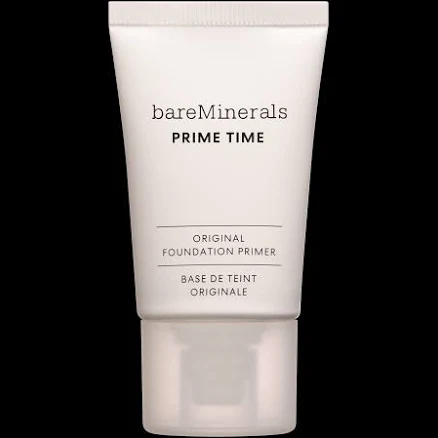
- mineral powder, silicones, mica
- The brand calls it PFAS-free, which we have not verified
- Fragrance allergen sensitization
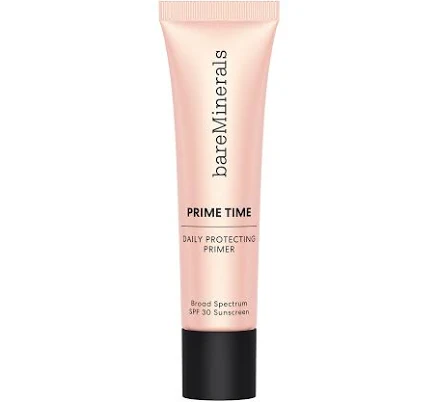
- mineral powder, silica, mica, talc
- The brand calls it PFAS-free, which we have not verified
- Talc inhalation
2 hazards checked on this product, all on its full breakdown.
- mineral pigments, glycerin, plant extracts, silicones
- The brand calls it PFAS-free, which we have not verified
- Fragrance allergens and undisclosed fragrance components
2 hazards checked on this product, all on its full breakdown.
More foundation & primer grades
How we score, every product runs through the same public 0-100 rubric based on materials, coatings, brand disclosure, lab findings, and recalls. See the full methodology → Spotted a mistake? Report an error.