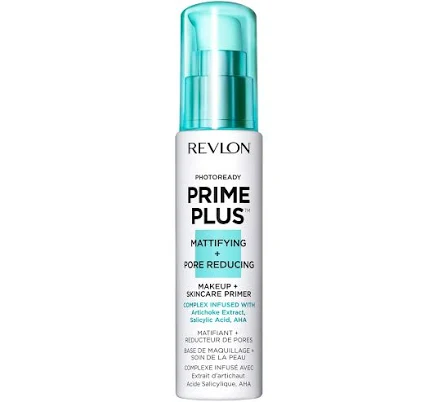
Revlon PhotoReady Prime Plus Mattifying + Pore Reducing Makeup Skincare Primer
Unknown PFAS risk. No public disclosure from Revlon on this primer.
This cosmetic primer contains typical makeup ingredients including silicones and polymers, but Revlon has not publicly disclosed PFAS content or absence. Cosmetic primers may contain fluorinated compounds in some formulations, but without testing or brand transparency, risk cannot be assessed.
The better-graded swap
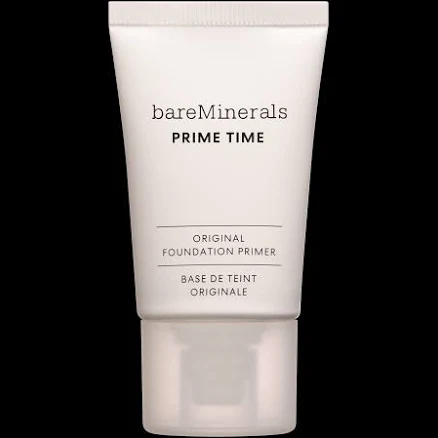
Bare Minerals
bareMinerals Original Prime Time Foundation Primer
100/100 safety
Same rubric that flunked this product. The swap earned Excellent.
Still want this one anyway? Check the price on Amazon. We’d swap it.
Material
Water, silicones, polymers, powders
Lab data
No public lab test
You may also be interested in
Top-graded picks in the categories readers replace first, every one scored on the same rubric.

- polypropylene filter housing, carbon/sediment cartridge
- We found no PFAS statement from the brand
- Bacterial growth in spent cartridges
3 hazards checked on this product, all on its full breakdown.

Aquasure
Premier Series 75 GPD Under Sink Reverse Osmosis Water Filtration System
- RO membrane, carbon filters, stainless steel housing
- We found no PFAS statement from the brand
- Bacterial and microbial growth in housing and filters
4 hazards checked on this product, all on its full breakdown.

Avocado
Vegan Mattress
- organic cotton, natural latex, coconut coir, recycled steel coils
- The brand calls it PFAS-free, which we have not verified
- Heavy metals
2 hazards checked on this product, all on its full breakdown.
What Revlon PhotoReady Prime Skincare Primer is made of, ingredients and materials
This primer is formulated around water, silicones (cyclopentasiloxane or similar volatiles for slip and spreadability), and polymers (likely acrylates or silicone-based film-formers) plus talc or mica powders for mattification and pore-blurring optics. Silicones are generally low-absorption on skin; powders provide texture but require scrutiny for talc contamination and trace heavy metals in pigments. No coating or barrier claim is made, so the formulation risk centers on ingredient purity and allergen load rather than physical degradation.
What’s concerning
Category baseline
The starting point for this type of product, before anything specific to this product is counted.
No PFAS disclosure
No public statement from the brand about PFAS in this product.
Talc contamination and asbestos risk
If this primer uses talc powder for mattification, talc sourced from certain deposits may contain asbestos fibers. Revlon has not published talc sourcing or asbestos testing data for this product; FDA regulations allow talc in cosmetics but do not mandate pre-market asbestos screening.
Heavy metals
Mica, iron oxides, and other colorants in the mattifying base may contain trace lead, cadmium, or antimony. No third-party testing or Revlon certification of metal limits is on record for this specific primer.
Source, FDA ↗Formaldehyde / VOCs
Water-based primers often require preservatives; DMDM hydantoin and imidazolidinyl urea are formaldehyde-releasers used in some cosmetics. Product label does not specify preservative type, and Revlon does not publish formaldehyde-releaser avoidance commitments.
Source, ATSDR ↗Fragrance allergen load and undisclosed components
If fragrance is listed, individual allergenic compounds (linalool, limonene, geraniol) are not itemized on consumer labels. Revlon does not publish fragrance transparency for this product, limiting ability to assess sensitization risk for fragrance-reactive individuals.
Bacterial and fungal growth if seal is compromised
Water-based cosmetic primers are prone to microbial colonization if the lid is left loose or the product is exposed to moisture. No antimicrobial additive disclosure is provided; risk escalates with storage in humid bathrooms or warm environments.
How is this PFAS grade calculated?
The brand's record and disclosure
Revlon does not publish ingredient safety certifications, third-party testing, or detailed PFAS/PFOA disclosure statements for this or most primers. The brand has no public record of major cosmetic safety recalls tied to this specific product line. Without proactive transparency on talc sourcing, heavy metal testing of colorants, or formaldehyde-releaser absence, consumers must rely on FDA compliance and indirect third-party ingredient databases. Revlon's silence on PFAS content is notable in a category where water-repellent primers sometimes contain fluorinated compounds.
How it compares in its category
Mattifying primers typically carry talc or silica powder, both common and higher-concern if not tested. Revlon's silicone-polymer base is standard and lower-risk than alcohol-heavy formulas; however, disclosure depth lags brands like Beautycounter or Glossier, which publish fuller ingredient safety profiles. Price and performance positioning place this in the mass-market segment where ingredient transparency is less routine than prestige or clean-beauty competitors.
If you buy it
Apply a small amount (pea-sized) and blend evenly; avoid contact with eyes and mucous membranes. Store in cool, dry conditions away from direct heat, as silicone volatiles can evaporate and alter texture. If any irritation, rash, or respiratory sensitivity occurs during application, discontinue and patch-test with a dermatologist. Replace if texture changes, separation occurs, or after 12 months of opening, as water-based formulas are prone to bacterial colonization if lid seals are compromised.
What is not known about PFAS in this product?
- Basis
- Model estimate, 45% confidence, not a lab result
- Lab test
- None on record for this exact product
- Brand statement
- Revlon has made a specific claim
Formulations change between production runs, so check the current label. How we grade.
What are the PFAS-free alternatives to Revlon PhotoReady Prime Plus Mattifying + Pore Reducing Makeup Skincare Primer?
- mineral powder, silicones, mica
- The brand calls it PFAS-free, which we have not verified
- Fragrance allergen sensitization
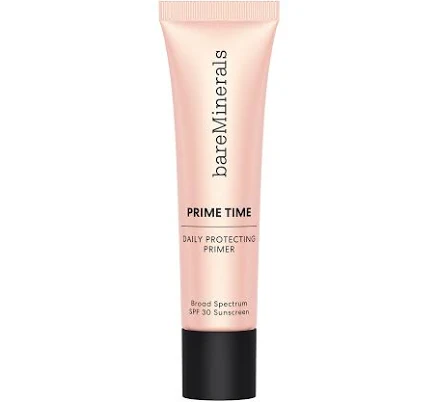
- mineral powder, silica, mica, talc
- The brand calls it PFAS-free, which we have not verified
- Talc inhalation
2 hazards checked on this product, all on its full breakdown.
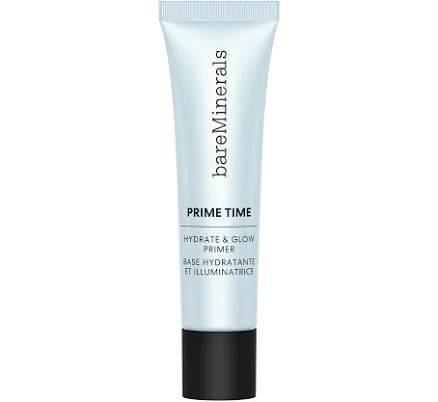
- mineral pigments, glycerin, plant extracts, silicones
- The brand calls it PFAS-free, which we have not verified
- Fragrance allergens and undisclosed fragrance components
2 hazards checked on this product, all on its full breakdown.
More foundation & primer grades
How we score, every product runs through the same public 0-100 rubric based on materials, coatings, brand disclosure, lab findings, and recalls. See the full methodology → Spotted a mistake? Report an error.