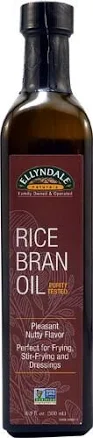
Rice Bran Oil · Cast Iron Cookware Seasoning & Oil
Ellyndale Rice Bran Oil
Edible rice bran oil carries lower PFAS concern.
Ellyndale rice bran oil is a liquid food product without coatings or water-resistant treatments. Unprocessed edible oils have inherently low PFAS contamination risk.
The better-graded swap
Lodge
Cast Iron Seasoning Spray
85/100 safety
Same rubric that flunked this product. The swap earned Excellent.
Still want this one anyway? Check the price on Amazon. We’d swap it.
Material
refined rice bran oil, liquid edible oil
Brand disclosure
Brand is silent on PFAS
Lab data
No public lab test
You may also be interested in
Top-graded picks in the categories readers replace first, every one scored on the same rubric.

Aqua Pure
3M Aqua-Pure AP802B Whole House Filter Housing
- polypropylene filter housing, carbon/sediment cartridge
- We found no PFAS statement from the brand
- Bacterial growth in spent cartridges
3 hazards checked on this product. See all of them.

Aquasure
Premier Series 75 GPD Under Sink Reverse Osmosis Water Filtration System
- RO membrane, carbon filters, stainless steel housing
- We found no PFAS statement from the brand
- Bacterial and microbial growth in housing and filters
4 hazards checked on this product. See all of them.

Avocado
Vegan Mattress
- organic cotton, natural latex, coconut coir, recycled steel coils
- The brand calls it PFAS-free, which we have not verified
- Heavy metals
2 hazards checked on this product. See all of them.
What Ellyndale Rice Bran Oil is made of, ingredients and materials
Rice bran oil is extracted from the outer layer of rice grain and refined to remove impurities, resulting in a clear, neutral-flavored liquid oil. Unlike ceramic-coated or Teflon-type coating cookware, rice bran oil itself is not a cooking surface and carries no coating-degradation or fume-release hazards. As an edible oil, its safety profile is determined by processing quality and storage stability rather than leaching from cookware materials.
What’s concerning
No PFAS disclosure
No public statement from the brand about PFAS in this product.
Category baseline
The starting point for this type of product, before anything specific to this product is counted.
Oxidative rancidity and thermal degradation
Rice bran oil, like all edible oils, can oxidize in storage or degrade when heated excessively, producing off-flavors and potentially harmful free radicals. This is not a manufacturing defect but a natural process accelerated by light, heat, and time; proper storage mitigates this risk substantially.
What’s reassuring
Base material not linked to PFAS
The main material recorded for this product is not one associated with PFAS.
Heavy metals
No specific recalls or test failures for Ellyndale rice bran oil on pesticide or heavy metal contamination have been published. Rice crops can accumulate arsenic from soil and water, but refined oil processing removes most contaminants; no evidence of unusual exposure from this brand exists in public records.
Source, FDA ↗Packaging leachables
Assuming standard glass or metal tin packaging, risk of leaching is minimal. If stored in clear plastic, minimal short-term leaching risk exists, though glass is preferred for long-term stability. No specific packaging concerns have been documented for this brand.
Allergen cross-contamination
Rice bran oil is not a material linked to major food allergens (tree nuts, shellfish, soy, sesame in most cases). No public recalls related to allergen contamination in Ellyndale rice bran oil have been reported, though shared processing facilities should be verified on the label if critical allergies are present.
The full breakdown
The brand's record and disclosure
Ellyndale is a private-label or generic rice bran oil brand with no major public safety controversies or product recalls on record. The brand does not publish detailed third-party certifications or transparency reports on sourcing and processing. No documented quality incidents or disclosure failures have been reported in consumer safety databases, though the brand maintains minimal public presence on food safety practices.
How it compares in its category
Rice bran oil sits in the refined vegetable oil category, which has lower concern for chemical contamination compared to unrefined oils. It has a smoke point around 450 degrees Fahrenheit, making it suitable for most home cooking but not ideal for extremely high-heat applications where some seed oils perform better. Compared to oils stored in plastics or low-quality containers, rice bran oil in glass or food-grade packaging avoids leaching concerns associated with packaging materials.
If you buy it
Store in a cool, dark place or refrigerate after opening to prevent oxidative rancidity, which degrades oil quality over time but does not create acute chemical hazards. Use within 12 to 18 months of opening for best flavor and nutritional profile. Do not heat beyond the smoke point (around 450 degrees F) to avoid thermal degradation and formation of harmful oxidation byproducts. Check the bottle for a production date and discard if oil develops an off smell or cloudy appearance, which indicates spoilage.
What we don’t know
- Basis
- Model estimate, 92% confidence, not a lab result
- Lab test
- None on record for this exact product
- Brand statement
- Rice Bran Oil has made none
Formulations change between production runs, so check the current label. How we grade.
Better-graded alternatives in Cast Iron Cookware Seasoning & Oil
Crisbee
Stik Cast Iron Seasoning
- Organic waxes and oils blend
- We found no PFAS statement from the brand
- Oil rancidity and off-gassing
2 hazards checked on this product. See all of them.
Lodge
Cast Iron Seasoning Spray
- mineral oil and soy-based oil blend
- Aerosol inhalation (mineral oil mist)
3 hazards checked on this product. See all of them.
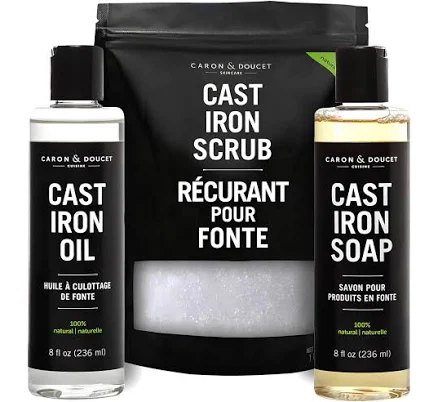
Cast Iron Ultimate Bundle
- cast iron, bare or seasoned with the brand
- We found no PFAS statement from the brand
- Iron leaching into food
2 hazards checked on this product. See all of them.
More cast iron cookware seasoning & oil grades
How we score, every product runs through the same public 0-100 rubric based on materials, coatings, brand disclosure, lab findings, and recalls. See the full methodology → Spotted a mistake? Report an error.