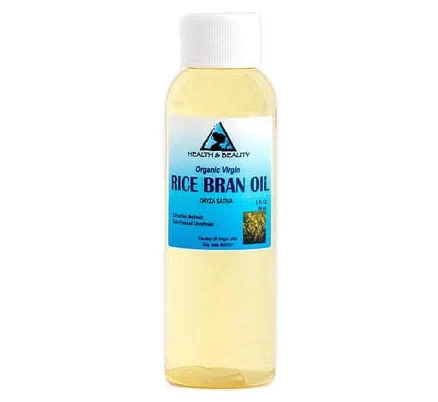
Rice Bran Oil · Cast Iron Cookware Seasoning & Oil
Rice Bran Oil
Refined vegetable oil with no coating or water-repellent finish on record.
Rice bran oil is a refined vegetable oil with no coating, treatment, or water-repellent finish on record. The material as recorded is not linked to PFAS. The brand has no PFAS statement on record.
The better-graded swap
Crisbee
Stik Cast Iron Seasoning
85/100 safety
Same rubric that flunked this product. The swap earned Excellent.
Still want this one anyway? Check the price on Amazon. We’d swap it.
Material
Refined vegetable oil (lipid)
Brand disclosure
Brand is silent on PFAS
Lab data
No public lab test
You may also be interested in
Top-graded picks in the categories readers replace first, every one scored on the same rubric.

Aqua Pure
3M Aqua-Pure AP802B Whole House Filter Housing
- polypropylene filter housing, carbon/sediment cartridge
- We found no PFAS statement from the brand
- Bacterial growth in spent cartridges
3 hazards checked on this product. See all of them.

Aquasure
Premier Series 75 GPD Under Sink Reverse Osmosis Water Filtration System
- RO membrane, carbon filters, stainless steel housing
- We found no PFAS statement from the brand
- Bacterial and microbial growth in housing and filters
4 hazards checked on this product. See all of them.

Avocado
Vegan Mattress
- organic cotton, natural latex, coconut coir, recycled steel coils
- The brand calls it PFAS-free, which we have not verified
- Heavy metals
2 hazards checked on this product. See all of them.
What Rice Bran Oil is made of, ingredients and materials
Rice bran oil is a refined vegetable lipid extracted from the outer layer of rice grains, composed primarily of triglycerides with natural minor components like vitamin E and oryzanol. Refining removes most plant proteins, fibers, and contaminants, making it chemically simple and stable compared to unrefined oils. Unlike non-stick cookware coatings or ceramic glazes, the oil itself contains no synthetic polymers, enamels, or metallic compounds that degrade under heat. It functions as a heat transfer medium rather than a coating-release system, so the hazard profile is dominated by oxidative stability and storage integrity rather than leaching.
What’s concerning
No PFAS disclosure
No public statement from the brand about PFAS in this product.
Category baseline
The starting point for this type of product, before anything specific to this product is counted.
Oxidative degradation and rancidity
Rice bran oil contains unsaturated fats that can oxidize over months if stored improperly (warm, light exposure). Rancid oil loses nutritional value and may produce off-flavors; no acute toxicity is established, but chronic consumption of heavily oxidized oils is linked to free radical stress in some in vitro studies.
Hexane solvent residues (if solvent-extracted)
Some rice bran oils are extracted using hexane, a petroleum solvent; standard refining evaporates hexane, leaving trace residues typically well below regulatory limits (typically less than 25 ppm). Oil labeled hexane-free uses cold-pressing or supercritical CO2 extraction and carries lower solvent risk, but is less common and often more expensive.
Thermal decomposition products during high-heat cooking
Any refined oil heated above its smoke point can generate acrolein and other volatile aldehydes, which are respiratory irritants. Rice bran oil's smoke point (around 450F) is moderate-to-high; staying below this threshold during cooking minimizes this risk.
What’s reassuring
Base material not linked to PFAS
The main material recorded for this product is not one associated with PFAS.
Heavy metals
No published recalls or regulatory actions document contamination of refined rice bran oil with pesticides or heavy metals (arsenic, cadmium) in U.S. or EU markets. However, rice crops can accumulate arsenic from soil; refinement processes reduce but may not eliminate trace levels. Third-party testing data for specific brands is rarely disclosed.
Source, FDA ↗Allergic or sensitivity reactions to oryzanol or minor components
Rice bran oil is well-tolerated in food; no established cross-reactivity with rice grain allergies, and oryzanol is not a known allergen. Individuals with severe rice or grass allergies should consult a healthcare provider, but reactions to the oil itself are not documented in medical literature.
The full breakdown
The brand's record and disclosure
No specific brand is named; rice bran oil is a commodity product sold under many labels (Nutricost, Nature's Way, Daana, private labels). Disclosure records for individual brands on heavy metals, pesticide residues, or processing contaminants are inconsistently published. No major recalls of rice bran oil for safety contamination appear in FDA or CPSC records in recent years. Third-party certifications (organic, non-GMO, hexane-free) vary by retailer and are the primary transparency indicators; unbranded or unlabeled oil lacks verifiable sourcing detail.
How it compares in its category
Rice bran oil sits in the vegetable oil subcategory for cooking, not in traditional cookware (pots, pans, utensils). It has lower concern than oils that contain trans fats or high levels of oxidized compounds, and lower concern than non-stick cookware with degraded Teflon-type coating coatings. Refined rice bran oil is comparable to refined canola, soybean, and sunflower oils in stability; it has a slightly higher smoke point (around 450F) than some alternatives, reducing the risk of thermal decomposition and acrolein formation during frying. Unlike sesame or flaxseed oils, it has minimal rancidity risk if stored in a cool, dark place.
If you buy it
Store rice bran oil in a cool, dark cupboard or refrigerator to prevent oxidative degradation and rancidity, which can develop over 6-12 months if exposed to heat or light. Use it for cooking, baking, and shallow frying up to its smoke point (around 450F); do not use for very high-heat methods like deep-frying where extended exposure above 400F may accelerate oxidation. Discard any oil that smells stale, rancid, or off; oxidized oils lack acute toxicity but offer poor nutritional quality. Keep the container sealed and away from direct sunlight to maximize shelf life.
What we don’t know
- Basis
- Model estimate, 92% confidence, not a lab result
- Lab test
- None on record for this exact product
- Brand statement
- Rice Bran Oil has made none
Formulations change between production runs, so check the current label. How we grade.
Better-graded alternatives in Cast Iron Cookware Seasoning & Oil
Crisbee
Stik Cast Iron Seasoning
- Organic waxes and oils blend
- We found no PFAS statement from the brand
- Oil rancidity and off-gassing
2 hazards checked on this product. See all of them.
Lodge
Cast Iron Seasoning Spray
- mineral oil and soy-based oil blend
- Aerosol inhalation (mineral oil mist)
3 hazards checked on this product. See all of them.
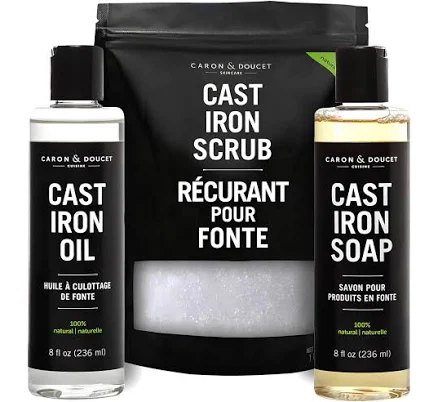
Cast Iron Ultimate Bundle
- cast iron, bare or seasoned with the brand
- We found no PFAS statement from the brand
- Iron leaching into food
2 hazards checked on this product. See all of them.
More cast iron cookware seasoning & oil grades
How we score, every product runs through the same public 0-100 rubric based on materials, coatings, brand disclosure, lab findings, and recalls. See the full methodology → Spotted a mistake? Report an error.