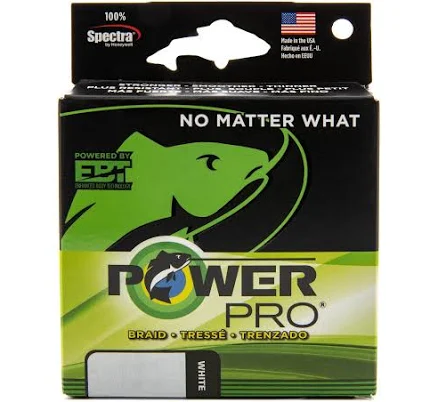
PowerPro Power Pro Braided Line
Low concern for braided line without typical coating treatment.
Braided polyethylene or nylon typically lacks water-resistant or non-stick coatings containing PFAS. Shimano makes no PFAS claims, which is standard for fishing tackle.
We flunk more products than we pass. This one earned its grade. How we grade
Material
Braided polyethylene/nylon fishing line
Brand disclosure
Brand is silent on PFAS
Lab data
No public lab test
You may also be interested in
Top-graded picks in the categories readers replace first, every one scored on the same rubric.

- polypropylene filter housing, carbon/sediment cartridge
- We found no PFAS statement from the brand
- Bacterial growth in spent cartridges
3 hazards checked on this product, all on its full breakdown.

Aquasure
Premier Series 75 GPD Under Sink Reverse Osmosis Water Filtration System
- RO membrane, carbon filters, stainless steel housing
- We found no PFAS statement from the brand
- Bacterial and microbial growth in housing and filters
4 hazards checked on this product, all on its full breakdown.

Avocado
Vegan Mattress
- organic cotton, natural latex, coconut coir, recycled steel coils
- The brand calls it PFAS-free, which we have not verified
- Heavy metals
2 hazards checked on this product, all on its full breakdown.
What PowerPro Power Pro Braided Line is made of, ingredients and materials
PowerPro Braided Line is constructed from ultra-high-molecular-weight polyethylene (UHMWPE) fibers woven together, sometimes with nylon reinforcement in blends. UHMWPE is inherently stable and does not leach known toxic monomers or plasticizers during normal use. Braided construction means no coating layer (unlike monofilament lines treated with polymers), eliminating concerns about coating degradation or fume release. This material class is considered inert in freshwater and saltwater fishing applications.
What’s concerning
Category baseline
The starting point for this type of product, before anything specific to this product is counted.
No PFAS disclosure
No public statement from the brand about PFAS in this product.
Microplastic shedding during use
Braided line abrasion against rod guides and during casting may release microfibers of polyethylene into waterways. This is a property of all braided synthetic lines, not specific to Shimano, but environmental persistence and aquatic bioaccumulation remain active areas of study.
Thermal fume release (misuse)
If user attempts to melt or heat line to seal ends, polyethylene releases irritant fumes and potential thermal oxidation byproducts. This is a misuse hazard, not a normal-use hazard, but worth stating given accessibility of heat sources.
Nylon degradation products (if nylon-blended)
Some Shimano braided blends include nylon fibers. Nylon slowly hydrolyzes in saltwater over years, potentially releasing trace caprolactam monomer. Exposure is dermal and minimal during normal use, but long-term water exposure in stored spools could theoretically increase this. Standard braided polyethylene alone avoids this.
Ingestion/choking hazard (non-chemical)
Braided line fragments pose a risk to pets and wildlife if discarded improperly. This is a physical hazard, not chemical, but worth noting for responsible disposal and casting near inhabited areas.
What’s reassuring
Base material not linked to PFAS
The main material recorded for this product is not one associated with PFAS.
Heavy metals
PowerPro Braided Line is typically dyed with colorants (green, yellow, red variants). No recalls or test reports document heavy metal (lead, cadmium, arsenic) contamination in fishing line dyes; this hazard is primarily documented in textiles and ceramics, not cast polyethylene products.
Source, FDA ↗How is this PFAS grade calculated?
The brand's record and disclosure
Shimano is a major Japanese fishing tackle manufacturer with no public product safety recalls or documented chemical disclosure violations in the fishing line category. The brand does not publicly disclose PFAS use or absence in fishing products, maintaining industry-standard silence on this topic. No third-party testing or certification (e.g., Oeko-Tex) is listed for this line. Shimano's overall corporate environmental communications focus on manufacturing efficiency rather than product chemical transparency.
How it compares in its category
Braided polyethylene lines are the category standard for strength and durability and carry the same material safety profile across brands (Berkley, Power Pro, Sufix). Unlike monofilament alternatives (nylon), braided lines avoid concerns about slow nylon degradation or UV-induced brittleness. Versus fluorocarbon lines, braided eliminates concerns about fluorine-based polymer residues. Within braided offerings, PowerPro is mid-to-premium positioned with no known quality or safety differentiation from competitors.
If you buy it
Store spools in a cool, dry location away from direct sunlight to slow minor UV degradation of polyethylene fibers, though this is not a health hazard. Replace line annually or after visible fraying, color fading, or loss of casting distance. Do not heat or melt line (e.g., to seal ends) as polyethylene releases fumes above 350°C; use proper knots or fishing line sealant instead. No special disposal precautions exist beyond standard recycling guidance for plastic waste.
What is not known about PFAS in this product?
- Basis
- Model estimate, 72% confidence, not a lab result
- Lab test
- None on record for this exact product
- Brand statement
- PowerPro has made none
Formulations change between production runs, so check the current label. How we grade.
More fishing line grades
How we score, every product runs through the same public 0-100 rubric based on materials, coatings, brand disclosure, lab findings, and recalls. See the full methodology → Spotted a mistake? Report an error.