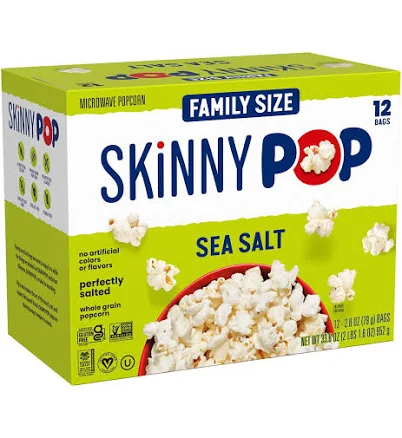
Skinnypop Gluten-Free Sea Salt Microwave Popcorn
Microwave popcorn bags often contain grease-resistant PFAS; brand silent on composition.
Microwave popcorn bags typically use fluorinated grease-resistant coatings to prevent oil transfer. The brand does not publicly disclose PFAS status or commit to PFAS-free materials.
The better-graded swap

Wabash Valley
Wabash Valley Farms Sweet
70/100 safety
Same rubric that flunked this product. The swap earned Good.
Still want this one anyway? Check the price on Amazon. We’d swap it.
Material
paper/cardboard microwave popcorn bag with grease-resistant coating
Brand disclosure
Brand is silent on PFAS
Lab data
No public lab test
You may also be interested in
Top-graded picks in the categories readers replace first, every one scored on the same rubric.

- polypropylene filter housing, carbon/sediment cartridge
- We found no PFAS statement from the brand
- Bacterial growth in spent cartridges
3 hazards checked on this product, all on its full breakdown.

Aquasure
Premier Series 75 GPD Under Sink Reverse Osmosis Water Filtration System
- RO membrane, carbon filters, stainless steel housing
- We found no PFAS statement from the brand
- Bacterial and microbial growth in housing and filters
4 hazards checked on this product, all on its full breakdown.

Avocado
Vegan Mattress
- organic cotton, natural latex, coconut coir, recycled steel coils
- The brand calls it PFAS-free, which we have not verified
- Heavy metals
2 hazards checked on this product, all on its full breakdown.
What Skinnypop Gluten-Free Sea Salt Popcorn is made of, ingredients and materials
Skinnypop Gluten-Free Sea Salt Microwave Popcorn is packaged in a paper/cardboard bag with a grease-resistant interior coating, standard for microwave popcorn to prevent oil and moisture from degrading the bag during heating. The lining is the critical component here, microwave popcorn bags routinely use fluorinated compounds (PFAS) to achieve grease resistance, which migrate into food when heated. The popcorn itself (corn kernels, salt, oil) carries minimal chemical hazards if the kernel supply is standard commodity corn.
What’s concerning
Waterproof / stain-resistant treatment
Water-repellent coating treatments have historically used PFAS.
Category baseline
The starting point for this type of product, before anything specific to this product is counted.
No PFAS disclosure
No public statement from the brand about PFAS in this product.
PFAS
Grease-resistant microwave popcorn linings typically contain PFAS; Skinnypop's silence on this and lack of PFAS-free certification indicate probable use. Migration into popcorn increases with heat, especially at microwave temperatures.
Source, ATSDR ↗Coating degradation and leaching over time
Cardboard bag linings are subject to moisture, temperature, and oxidative stress during storage and heating. Degraded coatings may release polymer fragments or residual chemicals into the product; no specific data exists for Skinnypop bags, but this is a known issue across the category.
What’s reassuring
Mineral oil or alkane residues in paper pulp
Food-contact paper is sometimes treated with mineral oils as lubricants during manufacture. Skinnypop bags show no documented reports of contamination, and FDA regulations limit this, but disclosure is absent.
Acrylic or other synthetic binders in ink/labels
Outer bag printing and labeling may contain non-food-grade solvents or adhesives. No specific incidents or complaints are on record for Skinnypop, and outer surfaces do not contact food directly during normal use.
Pesticide residue
Skinnypop does not claim organic certification. Commodity corn may contain trace pesticide residues within legal limits; no specific contamination alerts exist for this brand or product line.
Source, EPA ↗How is this PFAS grade calculated?
The brand's record and disclosure
Skinnypop (owned by Amplify Snack Brands) does not publicly disclose the chemical composition of its microwave bag linings or confirm PFAS-free status. No third-party certifications (e.g., GreenGuard, BPA-Free) are marketed for this product. The brand has not issued statements responding to PFAS concerns in popcorn packaging, placing it in the silent-stance category shared by most conventional popcorn manufacturers.
How it compares in its category
Most mainstream microwave popcorn brands (Orville Redenbacher, Act II, Pop Secret) have similar packaging and no public PFAS commitments. Some smaller or premium brands (Angie's Boom Chicka Pop, Lesser Evil) market PFAS-free or phased-down alternatives, though verification is limited. Skinnypop is positioned as a 'health-conscious' snack but does not extend that marketing to packaging chemistry, a common gap in the category.
If you buy it
Follow standard microwave popcorn safety, use the product within 12 months (coating integrity degrades over time), do not overheat or let the bag char, and ensure bag lining remains intact before cooking. If concerned about PFAS exposure, consider stovetop or air-popped alternatives with no chemical-treated bag lining. Store unopened bags in a cool, dry place away from light to slow coating oxidation.
What is not known about PFAS in this product?
- Basis
- Model estimate, 45% confidence, not a lab result
- Lab test
- None on record for this exact product
- Brand statement
- has made none
Formulations change between production runs, so check the current label. How we grade.
What are the PFAS-free alternatives to Skinnypop Gluten-Free Sea Salt Microwave Popcorn?
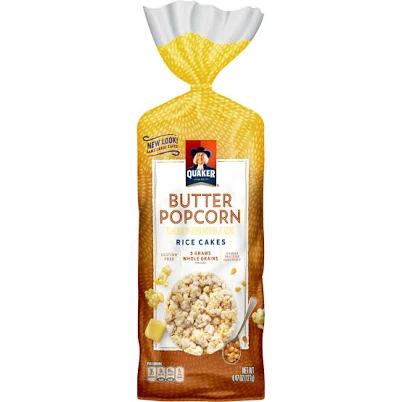
- puffed rice cakes in paperboard packaging
- We found no PFAS statement from the brand
- Mold or bacterial growth in packaging
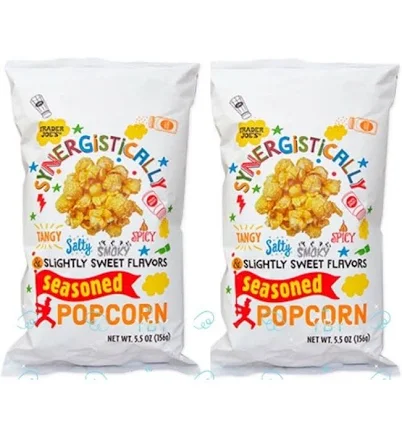
- paperboard popcorn bag, grease-resistant interior lining
- We found no PFAS statement from the brand
- Moisture and mold risk if bag is compromised
- paper-based food packaging with standard coating
- We found no PFAS statement from the brand
- Ink migration (printing on exterior or interior)
3 hazards checked on this product, all on its full breakdown.
More microwave popcorn grades
How we score, every product runs through the same public 0-100 rubric based on materials, coatings, brand disclosure, lab findings, and recalls. See the full methodology → Spotted a mistake? Report an error.