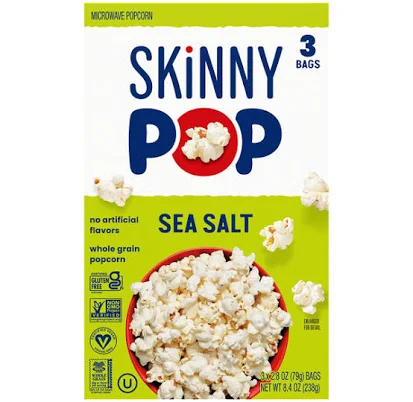
Skinny Pop · Microwave Popcorn
Skinnypop Microwave Sea Salt Popcorn
Microwave popcorn bags often use fluorinated coatings; brand discloses nothing.
Microwave popcorn bags typically require grease-resistant coatings, often fluorinated. No public PFAS disclosure or third-party testing available for this product.
The better-graded swap
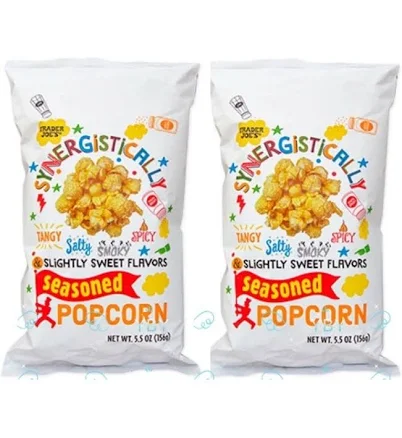
Trader Joe's
2 Packs Trader Joe's Synergistically Seasoned Popcorn 5.5 Oz Each Pack
70/100 safety
Same rubric that flunked this product. The swap earned Good.
Still want this one anyway? Check the price on Amazon. We’d swap it.
Material
Paper/paperboard microwave popcorn bag with grease-resistant lining
Brand disclosure
Brand is silent on PFAS
Lab data
No public lab test
You may also be interested in
Top-graded picks in the categories readers replace first, every one scored on the same rubric.

- polypropylene filter housing, carbon/sediment cartridge
- We found no PFAS statement from the brand
- Bacterial growth in spent cartridges
3 hazards checked on this product, all on its full breakdown.

Aquasure
Premier Series 75 GPD Under Sink Reverse Osmosis Water Filtration System
- RO membrane, carbon filters, stainless steel housing
- We found no PFAS statement from the brand
- Bacterial and microbial growth in housing and filters
4 hazards checked on this product, all on its full breakdown.

Avocado
Vegan Mattress
- organic cotton, natural latex, coconut coir, recycled steel coils
- The brand calls it PFAS-free, which we have not verified
- Heavy metals
2 hazards checked on this product, all on its full breakdown.
What Skinnypop Microwave Sea Salt Popcorn is made of, ingredients and materials
Skinnypop microwave popcorn uses a paper/paperboard bag lined with a grease-resistant coating to prevent oil from soaking through during cooking. This lining is the likely source of PFAS chemicals, which are fluorinated compounds used to repel grease and water in food packaging. The bag is heated directly in a microwave, creating conditions under which PFAS can migrate into the popcorn, especially into the oil and seasonings. Once consumed, some PFAS accumulate in the human body because they do not break down naturally.
What’s concerning
Waterproof / stain-resistant treatment
Water-repellent coating treatments have historically used PFAS.
Category baseline
The starting point for this type of product, before anything specific to this product is counted.
No PFAS disclosure
No public statement from the brand about PFAS in this product.
PFAS
Microwave popcorn bags commonly use fluorinated grease-resistant coatings; Skinny Pop does not disclose whether its bags contain PFAS, but the industry standard strongly suggests they do. Heat during microwaving increases the likelihood of migration into food.
Source, ATSDR ↗BPA & bisphenols
Paper bag linings sometimes use epoxy-based or bisphenol adhesives to bond layers; Skinny Pop has not published lining composition, so presence cannot be ruled out, though major manufacturers have largely phased out BPA in food contact.
Source, FDA ↗Phthalates
Exterior printing inks on popcorn bags may contain phthalate-based plasticizers; however, these are exterior-facing and would not directly contact food unless the bag tears or ruptures during cooking.
Source, ATSDR ↗What’s reassuring
Microplastic or paper fibers in product
No recalls or documented incidents of bag material degradation or fiber shedding into Skinnypop popcorn have been reported. Paper-based bags are generally stable at typical microwave temperatures.
Oil oxidation from packaging interaction
The bag lining is designed to resist oil and prevent rancidity; no known safety hazard from bag materials affecting oil quality has been documented for this product.
How is this PFAS grade calculated?
The brand's record and disclosure
Skinny Pop has not publicly disclosed the composition of its bag lining or confirmed whether fluorinated coatings are used. The brand has not published statements on PFAS reduction, sourcing standards, or plans to transition to alternative greaseproofing materials. No major recalls or safety violations are on record for Skinny Pop specifically, but the company's silence on this known industry practice suggests low transparency. Industry peers have begun phasing in non-fluorinated alternatives, yet Skinny Pop has not announced similar initiatives.
How it compares in its category
Most microwave popcorn bags sold in the US use fluorinated coatings, making Skinnypop typical rather than exceptional in this regard. Some premium and organic brands (e.g. Organic Valley, lesser-known niche producers) have switched to linings or paper-based solutions without known PFAS linkage, though these are less widely available and often more expensive. Stovetop popcorn in bulk avoids the packaging issue entirely. Overall, Skinnypop occupies the mainstream convenience category where PFAS use remains standard practice.
If you buy it
Follow package microwave instructions exactly; do not overheat or deliberately expose the bag to extreme heat, as this may increase PFAS migration. Do not reuse the bag or store popcorn in it after cooking. If budget allows, rotate Skinnypop with stovetop bulk popcorn or PFAS-free alternatives to reduce cumulative PFAS intake. Consider this product an occasional convenience item rather than a dietary staple, particularly for children and pregnant people, who are more sensitive to PFAS accumulation.
What is not known about PFAS in this product?
- Basis
- Model estimate, 45% confidence, not a lab result
- Lab test
- None on record for this exact product
- Brand statement
- Skinny Pop has made none
Formulations change between production runs, so check the current label. How we grade.
What are the PFAS-free alternatives to Skinnypop Microwave Sea Salt Popcorn?
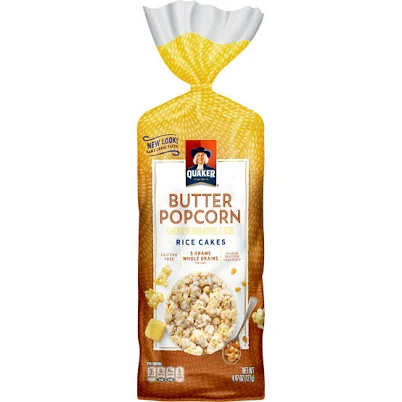
- puffed rice cakes in paperboard packaging
- We found no PFAS statement from the brand
- Mold or bacterial growth in packaging
- paperboard popcorn bag, grease-resistant interior lining
- We found no PFAS statement from the brand
- Moisture and mold risk if bag is compromised

- paper-based food packaging with standard coating
- We found no PFAS statement from the brand
- Ink migration (printing on exterior or interior)
3 hazards checked on this product, all on its full breakdown.
More microwave popcorn grades
How we score, every product runs through the same public 0-100 rubric based on materials, coatings, brand disclosure, lab findings, and recalls. See the full methodology → Spotted a mistake? Report an error.