Soybean Oil · Cast Iron Cookware Seasoning & Oil
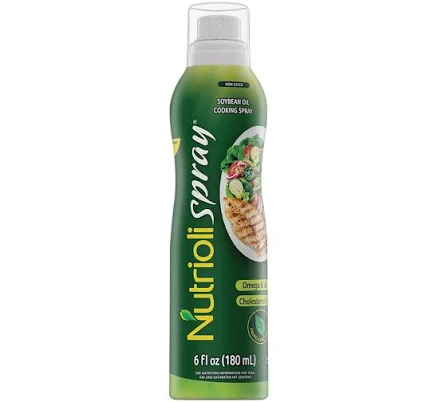
Nutrioli Cooking Spray Soybean Oil 6 Fluid Ounces
Pure cooking oil in a spray bottle carries no fluorinated coating risk.
Nutrioli soybean oil spray has no non-stick coating, waterproofing, or grease treatment typical of PFAS products. Cooking oils present minimal PFAS concern.
The better-graded swap
Crisbee
Stik Cast Iron Seasoning
85/100 safety
Same rubric that flunked this product. The swap earned Excellent.
Still want this one anyway? Check the price on Amazon. We’d swap it.
Material
Soybean oil, spray propellant
Brand disclosure
Brand is silent on PFAS
Lab data
No public lab test
You may also be interested in
Top-graded picks in the categories readers replace first, every one scored on the same rubric.

Aqua Pure
3M Aqua-Pure AP802B Whole House Filter Housing
- polypropylene filter housing, carbon/sediment cartridge
- We found no PFAS statement from the brand
- Bacterial growth in spent cartridges
3 hazards checked on this product. See all of them.

Aquasure
Premier Series 75 GPD Under Sink Reverse Osmosis Water Filtration System
- RO membrane, carbon filters, stainless steel housing
- We found no PFAS statement from the brand
- Bacterial and microbial growth in housing and filters
4 hazards checked on this product. See all of them.

Avocado
Vegan Mattress
- organic cotton, natural latex, coconut coir, recycled steel coils
- The brand calls it PFAS-free, which we have not verified
- Heavy metals
2 hazards checked on this product. See all of them.
What Nutrioli Cooking Spray Soybean Oil 6 is made of, ingredients and materials
Nutrioli Cooking Spray is primarily soybean oil with a propellant (typically butane or propane) to atomize it. Soybean oil itself is a food-grade lipid with no inherent toxicity when used as intended for cooking. Unlike non-stick cookware coatings or ceramic-glazed pans, there are no synthetic polymer films, enamel glazes, or applied coatings that can degrade, flake, or leach into food. The spray format does not interact chemically with cookware surfaces.
What’s concerning
No PFAS disclosure
No public statement from the brand about PFAS in this product.
Category baseline
The starting point for this type of product, before anything specific to this product is counted.
Propellant inhalation risk
Aerosol propellants (butane/propane) can accumulate if spray is used in poorly ventilated spaces; chronic inhalation is not a typical cooking scenario but may occur with frequent heavy use in enclosed kitchens. No specific data on Nutrioli propellant composition is publicly available.
Oil oxidation and trans-fat formation at high heat
Soybean oil, being high in polyunsaturated fats, oxidizes and can form trans-fats when heated above its smoke point or reused at high temperatures. This is a general cooking oil hazard, not brand-specific, but relevant if used on very high heat repeatedly.
Residue buildup and rancidity
Frequent use of cooking spray can leave oily residue on cookware and stovetops; if not cleaned regularly, oils can oxidize and become rancid, though this is a maintenance issue rather than a direct product safety hazard.
What’s reassuring
Base material not linked to PFAS
The main material recorded for this product is not one associated with PFAS.
Coating degradation
This product is cooking oil, not a non-stick coating or enamel. It does not degrade cookware surfaces and poses no leaching risk from applied coatings.
Aluminum leaching from cookware
Nutrioli is an oil spray applied to cookware surfaces; it does not cause or accelerate aluminum leaching. Leaching depends on the cookware material and pH of food cooked, not the cooking spray used.
The full breakdown
The brand's record and disclosure
Nutrioli is a cooking spray product line with limited public safety documentation available. The brand does not appear to maintain a published safety or ingredient transparency portal. No significant recalls, contamination incidents, or third-party certifications (organic, non-GMO, heavy-metal testing) are on record for this specific product. Sourcing and refining practices are not publicly detailed, which is typical for conventional cooking sprays but limits independent verification.
How it compares in its category
Cooking sprays as a category carry fundamentally different risks than cookware themselves; this product does not pose coating, thermal degradation, or leaching hazards because it is the food, not the container. Most competitors (PAM, Crisco, store brands) use similar oil-and-propellant formulations with equivalent safety profiles. Some alternatives market non-aerosol bottles or organic/non-GMO certification, which may appeal to consumers seeking higher ingredient transparency, but offer no documented safety advantage for typical use.
If you buy it
Store in a cool, dry location away from heat and sunlight to prevent propellant pressure buildup. Use on low to medium-high heat; soybean oil has a smoke point around 450°F, so avoid sustained high-temperature cooking to prevent oil degradation and trans-fat formation. Shake well before each use to ensure even propellant and oil mixing. Replace if the spray mechanism fails or becomes clogged; do not attempt to refill or repair pressurized containers.
What we don’t know
- Basis
- Model estimate, 92% confidence, not a lab result
- Lab test
- None on record for this exact product
- Brand statement
- Soybean Oil has made none
Formulations change between production runs, so check the current label. How we grade.
Better-graded alternatives in Cast Iron Cookware Seasoning & Oil
Crisbee
Stik Cast Iron Seasoning
- Organic waxes and oils blend
- We found no PFAS statement from the brand
- Oil rancidity and off-gassing
2 hazards checked on this product. See all of them.
Lodge
Cast Iron Seasoning Spray
- mineral oil and soy-based oil blend
- Aerosol inhalation (mineral oil mist)
3 hazards checked on this product. See all of them.
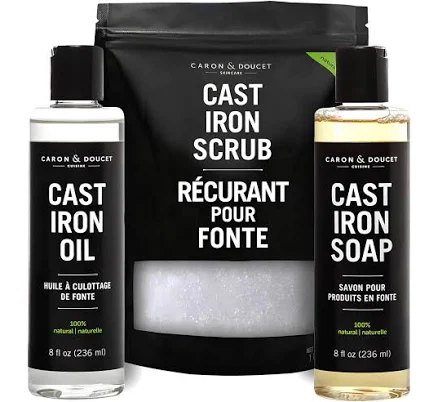
Cast Iron Ultimate Bundle
- cast iron, bare or seasoned with the brand
- We found no PFAS statement from the brand
- Iron leaching into food
2 hazards checked on this product. See all of them.
More cast iron cookware seasoning & oil grades
How we score, every product runs through the same public 0-100 rubric based on materials, coatings, brand disclosure, lab findings, and recalls. See the full methodology → Spotted a mistake? Report an error.