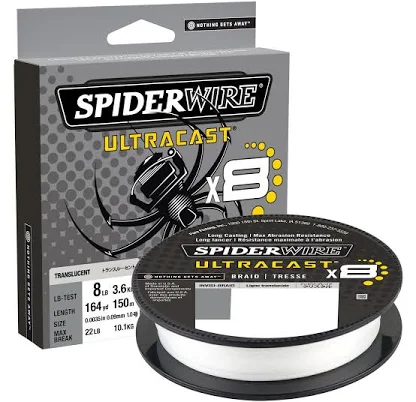
Spiderwire Ultracast Braid
Skip or contact brand; fishing line coatings often hide PFAS without disclosure.
Braided polyethylene marketed for durability and castability, but SpiderWire discloses nothing about PFAS in coatings or treatments. Braided synthetics often use Teflon-family coating coatings containing PFAS.
The better-graded swap
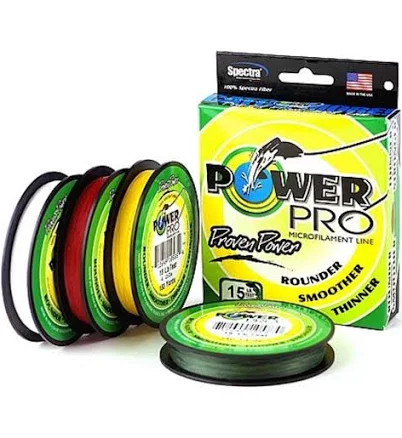
PowerPro
PowerPro Braid By The Yard
85/100 safety
Same rubric that flunked this product. The swap earned Excellent.
Still want this one anyway? Check the price on Amazon. We’d swap it.
Material
Braided polyethylene fishing line with undisclosed coating
Brand disclosure
Brand is silent on PFAS
Lab data
No public lab test
You may also be interested in
Top-graded picks in the categories readers replace first, every one scored on the same rubric.

- polypropylene filter housing, carbon/sediment cartridge
- We found no PFAS statement from the brand
- Bacterial growth in spent cartridges
3 hazards checked on this product, all on its full breakdown.

Aquasure
Premier Series 75 GPD Under Sink Reverse Osmosis Water Filtration System
- RO membrane, carbon filters, stainless steel housing
- We found no PFAS statement from the brand
- Bacterial and microbial growth in housing and filters
4 hazards checked on this product, all on its full breakdown.

Avocado
Vegan Mattress
- organic cotton, natural latex, coconut coir, recycled steel coils
- The brand calls it PFAS-free, which we have not verified
- Heavy metals
2 hazards checked on this product, all on its full breakdown.
What Spiderwire Ultracast Braid is made of, ingredients and materials
Spiderwire Ultracast Braid is extruded braided polyethylene (PE), a synthetic polymer chosen for strength-to-diameter ratio and low stretch. The "Ultracast" designation signals a proprietary surface coating applied post-extrusion to reduce friction and improve castability, but Spiderwire has not publicly disclosed the coating chemistry. Braided construction means multiple thin PE strands are woven together, creating microscopic gaps where coating materials can lodge and degrade over time with UV, saltwater, or mechanical abrasion.
What’s concerning
Category baseline
The starting point for this type of product, before anything specific to this product is counted.
No PFAS disclosure
No public statement from the brand about PFAS in this product.
Unknown / proprietary coating
A coating is recorded with no disclosed chemistry.
Microplastic shedding from braided structure
Braided construction sheds tiny PE fibers during casting, retrieval, and knot tying. These microplastics accumulate in waterways and can be ingested by fish and wildlife; no data on whether degraded coating fragments add chemical burden to shed fibers.
Undisclosed coating additives with potential leaching
The proprietary Ultracast coating likely contains slip agents, wetting additives, or fluorochemicals to reduce friction. Without disclosure, chemical identity is unknown; coating breakdown over time, especially in saltwater or UV, may release these additives into the aquatic environment.
UV degradation and polymer fragmentation
Polyethylene braids inherently degrade under UV and mechanical stress, fragmenting into smaller particles over months of use. Accumulated evidence from oceanography studies shows braided fishing line is a major source of microplastics in marine environments; coating breakdown accelerates particle generation.
Dermal or ingestion risk from handled coating residue
Frequent anglers handling Ultracast line without gloves may absorb coating chemicals through skin or ingest particles via hand-to-mouth contact. Risk is low but unquantified given the lack of coating safety data; no reported cases of acute toxicity from fishing line contact.
What’s reassuring
Heavy metals
Spiderwire Ultracast Braid is typically dyed green, moss, or yellow using azo or anthraquinone dyes. No recalls or reports of cadmium or lead in fishing line dyes, but dye composition is not routinely tested or disclosed by manufacturers.
Source, FDA ↗How is this PFAS grade calculated?
The brand's record and disclosure
Spiderwire (owned by Pure Fishing/Newell Brands) does not publicly disclose coating composition, fluorochemistry, or third-party safety certifications for this line. No major recalls or safety warnings on record for Ultracast Braid specifically. The company's silence on PFAS and coating additives is typical across the fishing line industry, where trade secret protection often prevents end-user scrutiny of proprietary surface treatments.
How it compares in its category
Braided PE lines dominate tournament and saltwater fishing due to sensitivity and strength; Spiderwire is a mainstream mid-to-premium option. Compared to monofilament (single nylon strand), braided lines expose more surface area for coatings and shed microfibers more readily during use. Compared to high-end branded braids (PowerPro, Suffix), Spiderwire offers similar material but equal opacity on coating safety; no brand in this category voluntarily discloses fluorochemical content.
If you buy it
Store spools in a cool, dry place away from direct sunlight to slow UV-driven coating breakdown and leaching. Inspect line every 2-3 months for visible whitening, fraying, or slime-like residue on the braid, signs the coating is degrading. Replace line annually if used frequently in saltwater; freshwater use can extend life to 18-24 months. Wash hands after extended handling, especially before eating, as abraded coating particles and residual chemicals can transfer to food.
What is not known about PFAS in this product?
- Basis
- Model estimate, 35% confidence, not a lab result
- Lab test
- None on record for this exact product
- Brand statement
- Spiderwire has made none
Formulations change between production runs, so check the current label. How we grade.
What are the PFAS-free alternatives to Spiderwire Ultracast Braid?
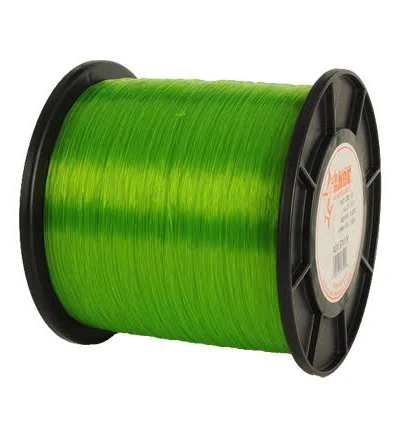
- Monofilament nylon fishing line
- We found no PFAS statement from the brand
- Microplastic shedding during use
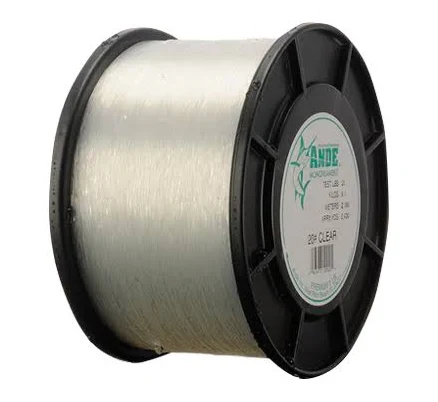
- Monofilament nylon fishing line
- We found no PFAS statement from the brand
- Microplastic fragmentation
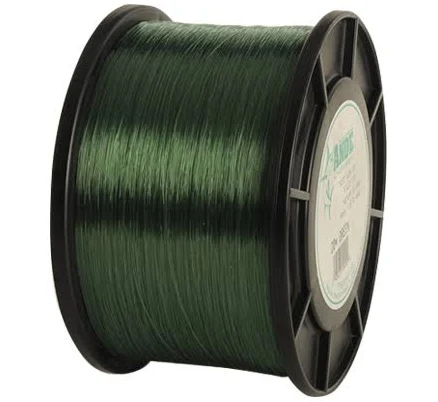
- Monofilament nylon fishing line
- We found no PFAS statement from the brand
- UV degradation and polymer brittleness
2 hazards checked on this product, all on its full breakdown.
More fishing line grades
How we score, every product runs through the same public 0-100 rubric based on materials, coatings, brand disclosure, lab findings, and recalls. See the full methodology → Spotted a mistake? Report an error.