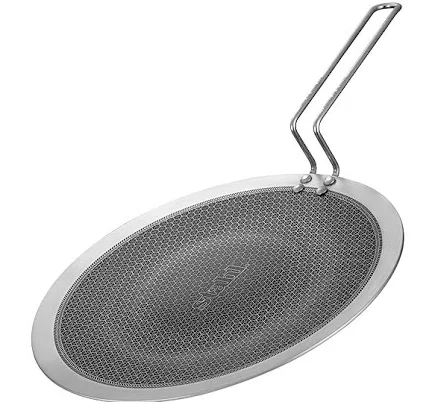
Stahl Artisan Hybrid Triply Roti Tawa Induction Base Non Stick Pan, Is It Non-Toxic?
Wait for Stahl to reveal the non-stick coating formula.
Stahl keeps the coating formula secret and hasn't disclosed PFAS information. Without details on what's on the pan, you can't know if PFAS is present.
The better-graded swap
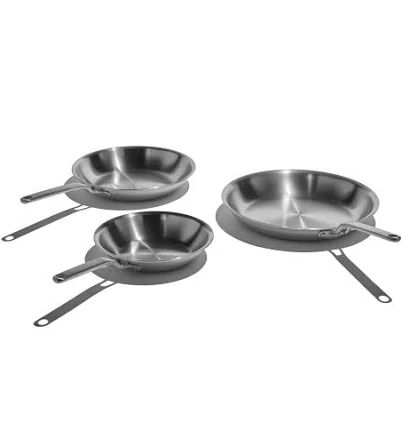
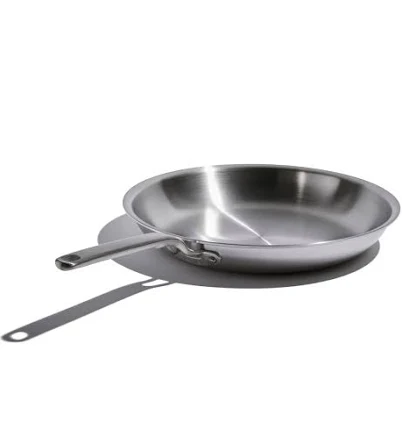
Heritage Steel
Eater x Heritage Steel 3 Piece Fry Pan Set
100/100 safety
Same rubric that flunked this product. The swap earned Excellent.
Still want this one anyway? Check the price on Amazon. We’d swap it.
Material
Non-stick coating composition unspecified
Brand disclosure
Brand is silent on PFAS
Lab data
No public lab test
You may also be interested in
Top-graded picks in the categories readers replace first, every one scored on the same rubric.

- polypropylene filter housing, carbon/sediment cartridge
- We found no PFAS statement from the brand
- Bacterial growth in spent cartridges
3 hazards checked on this product, all on its full breakdown.

Aquasure
Premier Series 75 GPD Under Sink Reverse Osmosis Water Filtration System
- RO membrane, carbon filters, stainless steel housing
- We found no PFAS statement from the brand
- Bacterial and microbial growth in housing and filters
4 hazards checked on this product, all on its full breakdown.

Avocado
Vegan Mattress
- organic cotton, natural latex, coconut coir, recycled steel coils
- The brand calls it PFAS-free, which we have not verified
- Heavy metals
2 hazards checked on this product, all on its full breakdown.
Is Stahl Artisan Hybrid Triply Non Stick Pan non-toxic? What it is made of
This Stahl tawa combines a steel triply base (stainless steel exterior, aluminum core, stainless steel interior) with an unspecified non-stick coating. The triply construction is a positive design choice for even heat distribution and durability. However, Stahl does not publicly disclose the non-stick coating chemistry on product pages or packaging, leaving the Teflon-type coating vs. ceramic vs. proprietary formulation unknown. This opacity is the core safety gap for this product.
What’s concerning
Category baseline
The starting point for this type of product, before anything specific to this product is counted.
No PFAS disclosure
No public statement from the brand about PFAS in this product.
Non-stick, chemistry undisclosed
Marketed as non-stick without stating the coating chemistry.
Teflon-type coating fume risk
Stahl does not disclose whether the coating is Teflon-type coating-based. If Teflon-type coating is present, overheating above 500°F can release toxic fumes; typical home cooking below 375°F mitigates this, but the lack of transparency prevents definitive risk assessment.
Coating degradation and microplastic/flake ingestion
Budget non-stick coatings are prone to chipping and peeling within 2-3 years, especially with metal utensils or dishwasher use. Ingestion of small coating flakes over time is a documented concern; regular visual inspection and timely replacement are essential.
Aluminum leaching from core layer
The triply base includes an aluminum core. In acidic foods (tomatoes, citrus, vinegar) at moderate temperatures, some aluminum leaching is possible but typically minimal in short cooking times. Risk is low compared to pure aluminum cookware, but cumulative dietary aluminum intake should be monitored.
Brand transparency and recall responsiveness
Stahl's lack of public safety disclosure, PFAS stance communication, or certification history limits consumer ability to verify compliance with international food safety standards. This is not a documented hazard but a transparency gap that elevates perceived risk.
What’s reassuring
Stainless steel leachables (nickel and chromium)
Food-grade stainless steel in the triply construction is unlikely to leach nickel or chromium into food under normal cooking conditions. No specific brand testing or reports of contamination from Stahl cookware are publicly available.
How is this PFAS grade calculated?
The brand's record and disclosure
Stahl is an Indian cookware brand with no publicly documented PFAS transparency initiatives, third-party certifications (such as GOTS, Oeko-Tex, or NSF), or independent safety audit history available in consumer records. The brand does not appear to have issued statements on non-stick coating safety or replacement schedules. No major recalls specific to Stahl non-stick coatings have been widely reported, but the absence of disclosure makes it difficult to assess the company's commitment to safety transparency.
How it compares in its category
Compared to premium non-stick cookware brands (GreenPan, Our Place, Caraway) that disclose ceramic or Teflon-type coating-free formulations, Stahl occupies a budget-tier position with minimal safety communication. Compared to basic stainless steel or cast iron alternatives, this product trades durability and transparency for convenience. The triply base design is a competitive strength, but it does not offset the coating ambiguity.
If you buy it
Never heat this pan above 350-375°F (176-190°C) to avoid accelerated non-stick degradation and potential fume release if Teflon-type coating is present. Inspect the coating every 6-12 months for scratches, discoloration, or peeling; discard and replace if damage appears. Hand-wash only with soft sponges; avoid metal utensils and dishwashers. Plan to replace this tawa every 2-3 years depending on use frequency, as budget non-stick coatings degrade faster than premium alternatives.
What is not known about PFAS in this product?
- Basis
- Model estimate, 35% confidence, not a lab result
- Lab test
- None on record for this exact product
- Brand statement
- Stahl has made none
Formulations change between production runs, so check the current label. How we grade.
What are the PFAS-free alternatives to Stahl Artisan Hybrid Triply Roti Tawa Induction Base Non Stick Pan?
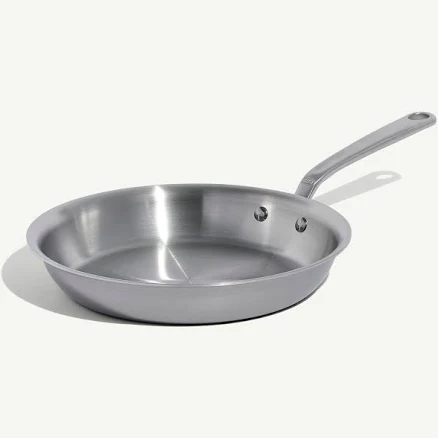
- Stainless steel clad construction, no nonstick coating
- The brand calls it PFAS-free, which we have not verified
- Clad separation or delamination over time
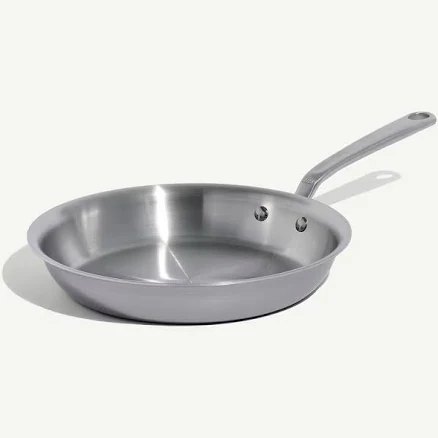
- stainless steel clad construction, no nonstick coating
- The brand calls it PFAS-free, which we have not verified
- Nickel leaching from stainless steel
3 hazards checked on this product, all on its full breakdown.
- Clad stainless steel, no coating
- The brand calls it PFAS-free, which we have not verified
- Metal ion release during cooking (iron, nickel, chromium)
More cookware grades
How we score, every product runs through the same public 0-100 rubric based on materials, coatings, brand disclosure, lab findings, and recalls. See the full methodology → Spotted a mistake? Report an error.