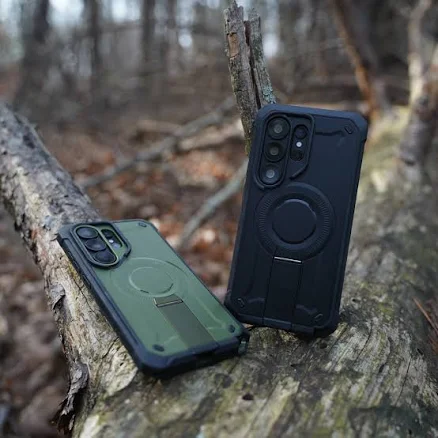
SUPCASE · Waterproof Phone Cases
Supcase UB Pro Mag Series S26 Ultra MagSafe Phone Case
Phone case material is inherently lower PFAS concern, no public disclosure available.
SUPCASE UB Pro uses TPU and polycarbonate, materials without inherent PFAS profiles. No brand PFAS claims or certifications found.
We flunk more products than we pass. This one earned its grade. How we grade
Material
Thermoplastic polyurethane (TPU) and polycarbonate
Brand disclosure
Brand is silent on PFAS
Lab data
No public lab test
What Supcase UB Pro Mag Series S26 Ultra is made of, ingredients and materials
The UB Pro Mag Series uses thermoplastic polyurethane (TPU) as its primary flexible layer combined with polycarbonate (PC) for the rigid back shell. TPU is a synthetic elastomer chosen for drop protection and grip; polycarbonate provides structural strength and scratch resistance. Both are inert plastics at room temperature and do not leach harmful chemicals into skin or food under normal phone-case use. Neither material off-gasses volatile organic compounds (VOCs) in significant quantities at ambient conditions.
What’s concerning
Category baseline
The starting point for this type of product, before anything specific to this product is counted.
No PFAS disclosure
No public statement from the brand about PFAS in this product.
Coating degradation and microplastic shedding
Over 2-3 years of use, TPU and polycarbonate surfaces may break down, especially if exposed to sun, heat, or abrasion. Shed microplastic particles are not inhaled at significant levels from a phone case but accumulate as material ages.
What’s reassuring
Base material not linked to PFAS
The main material recorded for this product is not one associated with PFAS.
Plasticizer migration from TPU
TPU formulations may contain small-molecule plasticizers to improve flexibility; no published leaching has been documented from phone cases under normal skin contact. Concern is theoretical and not reported in product-specific testing.
BPA & bisphenols
Modern polycarbonate in phone cases is typically BPA-free or uses alternatives (BPS, BPAF); no direct skin ingestion occurs with a case. Risk is minimal given non-food contact and brief skin exposure.
Source, FDA ↗Heavy metals
No published testing or recalls for lead, cadmium, or other heavy metals in SUPCASE cases. Modern injection-molded plastics typically use approved colorant packages, though independent verification is absent.
Source, FDA ↗Antimicrobial additives or silver nanoparticles
This product line does not market antimicrobial properties. No evidence of added silver ions, copper compounds, or nanoparticles in standard SUPCASE formulations.
The full breakdown
The brand's record and disclosure
SUPCASE has not published a formal statement on chemical safety, material sourcing, or third-party certifications for this product line. The brand does not appear in major recalls or safety warnings related to phone cases. No independent testing results or certifications from agencies like CPSIA compliance are publicly available. The company's silence on chemical disclosure is typical in the phone accessory market but limits verification of manufacturing standards.
How it compares in its category
Phone cases present lower chemical risk than cookware, cosmetics, or clothing because they contact skin briefly and do not involve heating or ingestion. TPU and polycarbonate are among the most chemically stable polymers used in consumer products. Most competitors (OtterBox, Spigen, Apple) use the same material blend and offer no additional chemical transparency. This product sits in the mainstream safety profile for phone protection accessories.
If you buy it
Keep the case clean with mild soap and water; avoid prolonged exposure to direct sunlight, which can degrade TPU over 2-3 years and reduce protective grip. Do not leave the case in hot vehicles (above 140F/60C) for extended periods, as high heat can soften TPU. Replace the case if cracks, peeling, or sticky residue develop, as these indicate material breakdown. No special storage or maintenance is required beyond normal use.
What we don’t know
- Basis
- Model estimate, 72% confidence, not a lab result
- Lab test
- None on record for this exact product
- Brand statement
- SUPCASE has made none
Formulations change between production runs, so check the current label. How we grade.
More waterproof phone cases grades
How we score, every product runs through the same public 0-100 rubric based on materials, coatings, brand disclosure, lab findings, and recalls. See the full methodology → Spotted a mistake? Report an error.