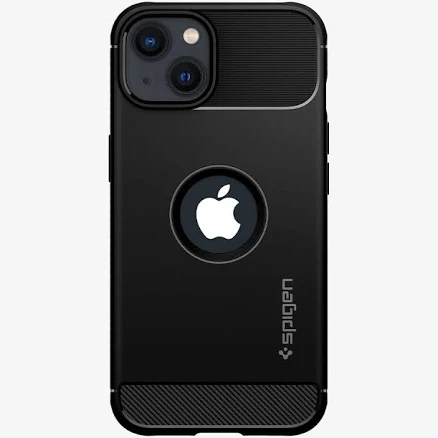
Rugged Armor · Waterproof Phone Cases
Spigen Rugged Armor iPhone 13 Matte Case
Lower concern, TPU phone cases lack standard PFAS triggers, no disclosure needed.
Spigen Rugged Armor combines TPU and polycarbonate, plastics not typically treated with PFAS. The brand has not made public PFAS claims or received certifications.
We flunk more products than we pass. This one earned its grade. How we grade
Material
TPU (thermoplastic polyurethane) and polycarbonate blend
Brand disclosure
Brand is silent on PFAS
Lab data
No public lab test
What Spigen Rugged Armor iPhone 13 Matte Case is made of, ingredients and materials
This case combines TPU (thermoplastic polyurethane), a flexible polymer, with polycarbonate, a rigid plastic, in a dual-layer design. TPU is chosen for shock absorption and does not typically contain or leach BPA, phthalates, or heavy metal stabilizers at levels of concern in consumer products. The polycarbonate shell provides structural rigidity. Neither material is designed to contact food or prolonged skin exposure, which further reduces migration risk compared to food-contact plastics.
What’s concerning
Category baseline
The starting point for this type of product, before anything specific to this product is counted.
No PFAS disclosure
No public statement from the brand about PFAS in this product.
Volatile organic compounds (VOCs) from polymer off-gassing
New TPU cases may emit minor VOCs (odor is common in first days). This is acute and self-limiting; adequate ventilation eliminates exposure. No chronic toxicity risk documented for phone case materials at room temperature.
Microplastic shedding during use
Mechanical wear and UV exposure may cause fine particle shedding from case surfaces and seams over 2-3 years. Contact is incidental (hand/pocket) and does not constitute ingestion. Environmental impact is relevant; personal health impact is negligible.
Polymer degradation and leachate formation
Prolonged heat, UV, or chemical exposure may accelerate breakdown of TPU/polycarbonate, releasing oligomers and degradation products. This is gradual and typical for polymer products; replacement every 2-3 years mitigates risk.
What’s reassuring
Base material not linked to PFAS
The main material recorded for this product is not one associated with PFAS.
BPA & bisphenols
TPU and modern polycarbonate formulations sold for phone cases in regulated markets do not typically contain BPA or high-migration phthalates. No recalls or test reports indicate contamination in Spigen cases.
Source, FDA ↗Lead
Spigen cases are manufactured to EU and US regulatory standards, which prohibit lead and cadmium in plastic components for consumer goods. No independent testing or complaints on record suggest violation.
Source, ATSDR ↗The full breakdown
The brand's record and disclosure
Spigen does not publicly disclose material safety certifications, heavy metal testing, or chemical restrictions beyond standard compliance with regional regulations (EU, FCC). The brand has no documented recalls for chemical contamination or leaching in phone cases. No independent third-party certifications (e.g., Cradle to Cradle, GreenGuard) are marketed. Silence on PFAS and phthalate avoidance is typical for the phone case category and does not indicate presence of these substances.
How it compares in its category
Phone cases made from TPU/polycarbonate blends are standard industry practice and carry lower chemical risk than silicone cases (which may off-gas VOCs) or leather-alternative cases (which may contain adhesive residues). Spigen's pricing and material choice align with mainstream protective case design. No chemical safety advantage over other major brands (OtterBox, Ringke) is evident, nor disadvantage.
If you buy it
Store in a cool, dry location; avoid prolonged exposure to direct sunlight or heat above 60°C (140°F), as both TPU and polycarbonate can degrade and release VOCs under thermal stress. Do not expose to solvents, strong cleaners, or oils that may accelerate polymer degradation. Clean with mild soap and water. Replace if visible cracks, discoloration, or sticky residue appears, as this signals polymer breakdown. TPU yellowing over 1-2 years is cosmetic and does not affect safety.
What we don’t know
- Basis
- Model estimate, 72% confidence, not a lab result
- Lab test
- None on record for this exact product
- Brand statement
- Rugged Armor has made none
Formulations change between production runs, so check the current label. How we grade.
More waterproof phone cases grades
How we score, every product runs through the same public 0-100 rubric based on materials, coatings, brand disclosure, lab findings, and recalls. See the full methodology → Spotted a mistake? Report an error.