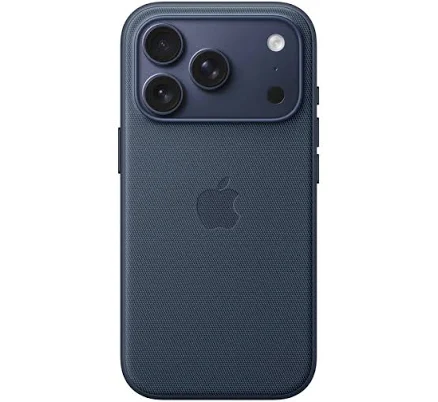
Apple · Waterproof Phone Cases
Apple iPhone 17 Pro TechWoven Case with MagSafe
Lower concern. Textile case unlikely to contain PFAS; no water-repellent coating treatment evident.
iPhone cases made from woven fabric typically avoid PFAS unless treated with water repellent coatings. Apple has not publicly disclosed PFAS use in this product, and no lab testing is publicly available.
We flunk more products than we pass. This one earned its grade. How we grade
Material
Woven textile (likely polyester/nylon blend) with elastomer accents
Brand disclosure
Brand is silent on PFAS
Lab data
No public lab test
You may also be interested in
Top-graded picks in the categories readers replace first, every one scored on the same rubric.

- polypropylene filter housing, carbon/sediment cartridge
- We found no PFAS statement from the brand
- Bacterial growth in spent cartridges
3 hazards checked on this product, all on its full breakdown.

Aquasure
Premier Series 75 GPD Under Sink Reverse Osmosis Water Filtration System
- RO membrane, carbon filters, stainless steel housing
- We found no PFAS statement from the brand
- Bacterial and microbial growth in housing and filters
4 hazards checked on this product, all on its full breakdown.

Avocado
Vegan Mattress
- organic cotton, natural latex, coconut coir, recycled steel coils
- The brand calls it PFAS-free, which we have not verified
- Heavy metals
2 hazards checked on this product, all on its full breakdown.
What Apple iPhone 17 Pro TechWoven Case MagSafe is made of, ingredients and materials
The TechWoven case uses a woven polyester or nylon blend (common for durability and grip) with elastomer corner accents for shock absorption. Woven textiles in phone cases sit against skin and occasionally touch food or lips, so off-gassing or dye migration are the main concerns. Unlike hard plastic or ceramic cookware, a fabric case has lower leaching risk because there is no heat, moisture breakdown, or acidic food contact involved.
What’s concerning
Category baseline
The starting point for this type of product, before anything specific to this product is counted.
No PFAS disclosure
No public statement from the brand about PFAS in this product.
Heavy metals
Elastomer (rubber-like) corner reinforcements can contain cadmium or lead as colorants or stabilizers in lower-cost production. Apple's manufacturing is tightly controlled, but transparency on elastomer chemistry is absent. The contact area and duration with skin are minimal, reducing any migration risk.
Source, FDA ↗Microplastic shedding from woven fiber
Synthetic fiber phone cases can shed microfibers during use or washing, adding to environmental microplastic burden. This is a known property of all synthetic textiles and is not unique to Apple. The risk to the user is negligible; the environmental concern is secondary.
What’s reassuring
Base material not linked to PFAS
The main material recorded for this product is not one associated with PFAS.
Azo dyes in woven textile
Woven polyester or nylon phone cases carry theoretical risk of azo dye use, which can release carcinogenic amines under sweat or abrasion. No recalls or test failures are on record for Apple cases. Standard EU and US textile dye regulations limit the most hazardous azo compounds, and Apple's supplier audits likely enforce this.
Formaldehyde / VOCs
Formaldehyde-releasing resins are used in some fabric coatings for stiffness or water resistance. Apple's cases do not advertise water-resistant treatments, and a simple woven case is unlikely to use these finishes. No formaldehyde contamination has been reported for Apple accessories.
Source, ATSDR ↗Elastomer degradation and off-gassing over time
Elastomer corner accents may slowly degrade in sunlight or with age, potentially releasing volatile organic compounds. This is a gradual process and not documented in Apple cases. Replacement after 2-3 years or if visible decay occurs is a practical safeguard.
How is this PFAS grade calculated?
The brand's record and disclosure
Apple publishes environmental reports and material safety data sheets for many products but remains largely silent on PFAS use across its accessory line. The company does not advertise chemical certifications (OEKO-TEX, Cradle to Cradle) for phone cases. No recalls or chemical contamination incidents are on record for Apple phone cases. Apple's supplier code of conduct requires restricted substance compliance, but transparency on textile dyes and finishes remains limited.
How it compares in its category
Phone cases are lower-risk products than cookware or children's textiles because exposure is brief and indirect. Woven fabric cases present lower concern than hard plastic or silicone cases, which can leach plasticizers or off-gas volatile organics. Apple's case sits in the mid-to-premium tier; independent testing of third-party cases has occasionally found heavy metals in dyes or formaldehyde in seams, but Apple's manufacturing standards typically exceed this baseline.
If you buy it
Wash the case by hand in cool water with mild soap if visibly soiled; avoid bleach or high heat. Do not store it in direct sunlight for extended periods to minimize dye fading or potential minor off-gassing from elastomer accents. If the elastic corners become sticky or degraded over 2-3 years, replacement is recommended. There are no heat or dishwasher concerns with a phone case.
What is not known about PFAS in this product?
- Basis
- Model estimate, 72% confidence, not a lab result
- Lab test
- None on record for this exact product
- Brand statement
- Apple has made none
Formulations change between production runs, so check the current label. How we grade.
What are the PFAS-free alternatives to Apple iPhone 17 Pro TechWoven Case with MagSafe?
- Flax fiber and plant-based resin blend, compostable
- A third party reports verifying it as PFAS-free
- Coating degradation and durability over time
2 hazards checked on this product, all on its full breakdown.
- plant-based bioplastic (flax and other plant fibers)
- A third party reports verifying it as PFAS-free
- Thermal degradation and warping
3 hazards checked on this product, all on its full breakdown.
- Plant-based bioplastic (compostable blend)
- A third party reports verifying it as PFAS-free
- Bioplastic degradation and microparticle shedding
More waterproof phone cases grades
How we score, every product runs through the same public 0-100 rubric based on materials, coatings, brand disclosure, lab findings, and recalls. See the full methodology → Spotted a mistake? Report an error.