Griffin · Waterproof Phone Cases
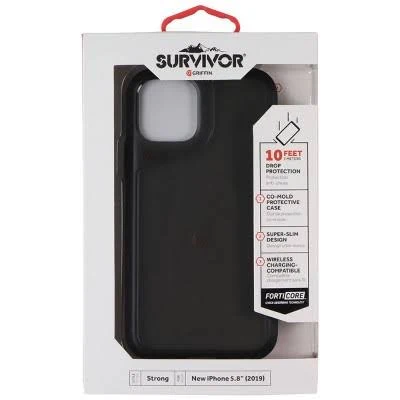
Griffin Survivor Strong for iPhone 11 Pro GIP-023
Phone case materials lower concern. No PFAS-specific risk signals identified.
Griffin Survivor Strong uses TPU and polycarbonate, materials not typically treated with PFAS. Griffin makes no PFAS claims or disclosures. Standard phone case risk profile.
We flunk more products than we pass. This one earned its grade. How we grade
Material
TPU, polycarbonate, recycled plastic
Brand disclosure
Brand is silent on PFAS
Lab data
No public lab test
You may also be interested in
Top-graded picks in the categories readers replace first, every one scored on the same rubric.

- polypropylene filter housing, carbon/sediment cartridge
- We found no PFAS statement from the brand
- Bacterial growth in spent cartridges
3 hazards checked on this product, all on its full breakdown.

Aquasure
Premier Series 75 GPD Under Sink Reverse Osmosis Water Filtration System
- RO membrane, carbon filters, stainless steel housing
- We found no PFAS statement from the brand
- Bacterial and microbial growth in housing and filters
4 hazards checked on this product, all on its full breakdown.

Avocado
Vegan Mattress
- organic cotton, natural latex, coconut coir, recycled steel coils
- The brand calls it PFAS-free, which we have not verified
- Heavy metals
2 hazards checked on this product, all on its full breakdown.
What Griffin Survivor Strong Pro GIP-023 is made of, ingredients and materials
The Survivor Strong combines TPU (thermoplastic polyurethane) outer bumpers with polycarbonate hard-shell backing and recycled plastic components. TPU is a flexible elastomer that resists cracking and absorbs impact without brittle failure; polycarbonate provides structural rigidity. Neither material is known to leach BPA or phthalates under normal smartphone-use conditions (room temperature, no prolonged heat exposure). The inclusion of recycled plastic is a minor environmental positive but does not introduce novel chemical risks compared to virgin polycarbonate.
What’s concerning
Category baseline
The starting point for this type of product, before anything specific to this product is counted.
No PFAS disclosure
No public statement from the brand about PFAS in this product.
Heavy metals
Polycarbonate and TPU casings may contain trace heavy metals (cadmium, lead) in pigments, particularly in darker colors. Griffin does not test or disclose metal content. Risk is minimal because the case does not contact food or skin directly for prolonged periods.
Source, FDA ↗VOC off-gassing (polycarbonate/TPU)
New polycarbonate and TPU products may release minor volatile compounds (odor) during the first few weeks. This is transient and typically resolves; no chronic health risk is documented from case use.
What’s reassuring
Base material not linked to PFAS
The main material recorded for this product is not one associated with PFAS.
BPA & bisphenols
Polycarbonate phone cases do not typically experience the temperature and extended liquid contact that triggers BPA migration. No field reports of BPA contamination from phone cases in normal use exist.
Source, FDA ↗Phthalate plasticizers (TPU component)
Modern TPU formulations used in premium cases like Survivor Strong have largely phased out phthalate plasticizers; however, Griffin does not publicly disclose this. No documented cases of phthalate exposure from contact with TPU phone cases.
Microplastic shedding (recycled plastic component)
Recycled plastic in the case structure does not flake or shed under normal handling. Only risk would occur if the case were damaged and fragments entered food or water; avoiding damaged cases prevents this.
How is this PFAS grade calculated?
The brand's record and disclosure
Griffin (owned by Survivor Products) does not publish detailed chemical composition or third-party safety certifications for this case line. The brand makes no explicit PFAS commitments and provides no transparency on material sourcing or heavy-metal testing. This silence is typical for the accessory market but means independent verification of chemical safety is unavailable. No recalls or widespread safety complaints are on record for this specific model.
How it compares in its category
Drop-rated phone cases typically use TPU/polycarbonate hybrids similar to this one; alternatives (silicone, leather, rigid plastic) offer no clear chemical advantage. Silicone cases may off-gas volatile compounds initially; leather introduces tanning-chemical residues. The Survivor Strong's dual-layer design is industry-standard and not a hazard differentiator. Price and durability are stronger purchase drivers than chemical safety in this category, where material options are inherently low-risk.
If you buy it
Keep the case away from sustained heat above 60-70 degrees Celsius (hot cars, direct sunlight for extended periods) to avoid minor softening of TPU. Clean with soap and water; avoid harsh solvents or abrasive cloths that could degrade the polycarbonate. Inspect the case annually for visible cracks, separation, or discoloration. Replace if the protective seal fails or the material becomes brittle, which typically occurs after 2-3 years of daily use.
What is not known about PFAS in this product?
- Basis
- Model estimate, 72% confidence, not a lab result
- Lab test
- None on record for this exact product
- Brand statement
- Griffin has made none
Formulations change between production runs, so check the current label. How we grade.
What are the PFAS-free alternatives to Griffin Survivor Strong for iPhone 11 Pro GIP-023?
- Flax fiber and plant-based resin blend, compostable
- A third party reports verifying it as PFAS-free
- Coating degradation and durability over time
2 hazards checked on this product, all on its full breakdown.
- plant-based bioplastic (flax and other plant fibers)
- A third party reports verifying it as PFAS-free
- Thermal degradation and warping
3 hazards checked on this product, all on its full breakdown.
- Plant-based bioplastic (compostable blend)
- A third party reports verifying it as PFAS-free
- Bioplastic degradation and microparticle shedding
More waterproof phone cases grades
How we score, every product runs through the same public 0-100 rubric based on materials, coatings, brand disclosure, lab findings, and recalls. See the full methodology → Spotted a mistake? Report an error.