Swatch · Waterproof Smartphone Cases
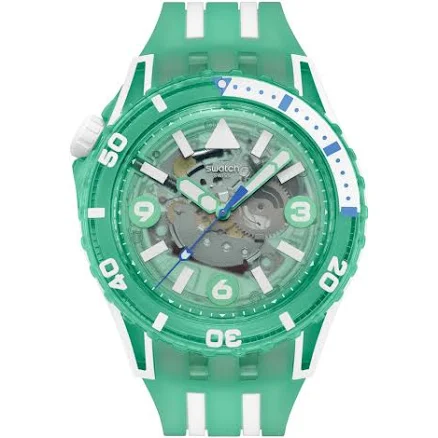
Swatch MEDUSAE Quartz
Lower concern. Main materials are not linked to PFAS.
This quartz watch uses stainless steel, plastic, and mineral glass. No water-repellent finish or special coating is on record. The brand has no PFAS statement on record.
We flunk more products than we pass. This one earned its grade. How we grade
Material
Stainless steel case, plastic/resin components, mineral glass
Brand disclosure
Brand is silent on PFAS
Lab data
No public lab test
What Swatch MEDUSAE Quartz is made of, ingredients and materials
The Swatch MEDUSAE uses a stainless steel case, which is chemically stable and does not leach metals under normal wear conditions. The dial and caseback likely use acetal or polycarbonate resins, common in mass-market watches and generally stable at room temperature. Mineral glass crystal is inert and poses no chemical risk. The movement and internal components are standard quartz watch materials with no known hazardous substance triggers.
What’s concerning
Category baseline
The starting point for this type of product, before anything specific to this product is counted.
No PFAS disclosure
No public statement from the brand about PFAS in this product.
Plastic/resin component degradation
Injection-molded acetal or polycarbonate in the caseback, dial, or bezel may develop micro-cracks or discoloration over 5+ years of exposure to UV light and temperature cycling, but this is cosmetic degradation rather than chemical leaching.
Mineral glass shattering
Mineral glass is harder than plastic but more brittle than sapphire; impact drops can cause chipping or full fracture. Broken glass poses mechanical injury risk (cuts) rather than chemical toxicity.
Heavy metals
If the quartz battery (commonly silver oxide SR626 or similar) corrodes or leaks, trace mercury or cadmium may contact skin or the movement. This is rare with fresh batteries and proper case sealing; risk increases if water ingress occurs.
Source, FDA ↗What’s reassuring
Base material not linked to PFAS
The main material recorded for this product is not one associated with PFAS.
Stainless steel corrosion and nickel leaching
Stainless steel watchcases (typically 316L or 304) do not leach nickel into skin or food at measurable levels under normal wear. Nickel sensitivity is triggered by prolonged contact with lower-grade steel or nickel plating, not solid stainless steel.
Formaldehyde / VOCs
Adhesives used to bond components in quartz watches are present in trace amounts and cure before the product reaches consumers. No established off-gassing or VOC hazard has been reported for Swatch watches.
Source, ATSDR ↗The full breakdown
The brand's record and disclosure
Swatch (part of the Swatch Group) maintains ISO 14001 environmental certifications and has published limited sustainability data, though formal chemical disclosure for consumer products is not routinely public. No recalls or health controversies specific to Swatch watch components have been established in available records. The brand's silence on PFAS is typical for the watch industry rather than a red flag, as watches do not inherently require water-repellent coatings.
How it compares in its category
Quartz watches at this price point universally use stainless steel, mineral glass, and injection-molded plastic; the MEDUSAE is materially unremarkable. It sits well within the safety baseline for mass-market fashion watches, with no exotic coatings, leather, or treated textiles that would introduce additional chemical exposure. Luxury mechanical alternatives or smartwatches may pose different (not necessarily higher) hazard profiles.
If you buy it
Store in a dry environment to prevent corrosion of the case and movement; stainless steel is durable but can corrode if submerged repeatedly in saltwater without rinsing. Avoid exposing the plastic components to prolonged direct sunlight or extreme heat (above 60°C), which can cause minor warping or finish degradation over years. Replace the battery every 2 to 3 years at a qualified watch service center rather than attempting it yourself. No special cleaning agents are required; warm soapy water is sufficient.
What we don’t know
- Basis
- Model estimate, 72% confidence, not a lab result
- Lab test
- None on record for this exact product
- Brand statement
- Swatch has made none
Formulations change between production runs, so check the current label. How we grade.
More waterproof smartphone cases grades
How we score, every product runs through the same public 0-100 rubric based on materials, coatings, brand disclosure, lab findings, and recalls. See the full methodology → Spotted a mistake? Report an error.