Pelican · Waterproof Smartphone Cases
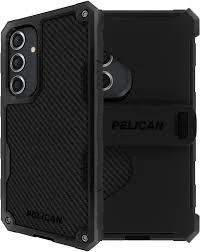
Pelican Shield Phone Case for Samsung Galaxy S24 Plus
Lower concern; typical phone case with no suspected PFAS use.
Pelican phone cases use polycarbonate and rubber, which typically do not need PFAS treatment. No brand PFAS statement is available, though this product type has low PFAS risk.
We flunk more products than we pass. This one earned its grade. How we grade
Material
Polycarbonate shell, rubber grip
Lab data
No public lab test
You may also be interested in
Top-graded picks in the categories readers replace first, every one scored on the same rubric.

- polypropylene filter housing, carbon/sediment cartridge
- We found no PFAS statement from the brand
- Bacterial growth in spent cartridges
3 hazards checked on this product, all on its full breakdown.

Aquasure
Premier Series 75 GPD Under Sink Reverse Osmosis Water Filtration System
- RO membrane, carbon filters, stainless steel housing
- We found no PFAS statement from the brand
- Bacterial and microbial growth in housing and filters
4 hazards checked on this product, all on its full breakdown.

Avocado
Vegan Mattress
- organic cotton, natural latex, coconut coir, recycled steel coils
- The brand calls it PFAS-free, which we have not verified
- Heavy metals
2 hazards checked on this product, all on its full breakdown.
What Pelican Shield Phone Case Galaxy S24 is made of, ingredients and materials
The Pelican Shield uses polycarbonate (hard plastic shell) combined with rubber grip material. Polycarbonate is a rigid engineering plastic chosen for impact resistance and clarity; the rubber is likely synthetic elastomer (SBR or similar) for comfort and drop protection. Neither material is typically associated with leaching into skin or food contact, presenting lower concern than food-contact plastics or ceramics with problematic glazes.
What’s concerning
Category baseline
The starting point for this type of product, before anything specific to this product is counted.
No PFAS disclosure
No public statement from the brand about PFAS in this product.
Polycarbonate thermal degradation and leaching
Polycarbonate exposed to sustained heat (above 60°C) or intense sunlight can degrade and potentially release oligomeric compounds. Phone cases in direct sun or against warm skin for extended periods are low-risk, but prolonged exposure to car dashboards in heat could theoretically cause minor leaching; no established recalls for this product.
Rubber grip degradation and allergens
Synthetic rubber grips can off-gas volatile organic compounds (VOCs) during early use, particularly if formulated with older elastomer chemistry. Latex allergy is not a concern with synthetic rubber, but individuals with contact dermatitis to uncrosslinked rubber accelerators (rare) may react. Pelican does not specify rubber composition or accelerator content.
Microplastic shedding from wear
Any plastic case can shed microparticles from friction, scratches, or minor surface degradation over months of use. For a phone case with minimal food or oral contact, exposure is negligible. Regular users who frequently place the case against their face during calls should be aware of this typical plastic wear process.
BPA & bisphenols
Polycarbonate is synthesized from BPA, but finished cases contain bonded BPA in the polymer matrix. Leaching into skin contact is negligible under normal conditions; risk increases only under extreme heat or chemical exposure. No specific recall history for this product, and risk is lower than food-contact polycarbonate containers.
Source, FDA ↗What’s reassuring
Base material not linked to PFAS
The main material recorded for this product is not one associated with PFAS.
Heavy metals
No public data or recalls document heavy metal contamination (lead, cadmium, antimony) in Pelican phone case colorants. Polycarbonate manufacturers typically use organic dyes or carbon black; this is not a known issue in the brand's product line.
Source, FDA ↗How is this PFAS grade calculated?
The brand's record and disclosure
Pelican is a long-established manufacturer known for rugged protective cases with no prominent safety recalls or disclosed chemical controversies in public records. The company does not prominently advertise third-party certifications (such as GREENGUARD or SafetyTested standards) for consumer phone cases, which is typical for the category. PFAS disclosure is absent, consistent with industry silence on this material class.
How it compares in its category
Phone cases are a low-hazard category overall because they do not contact food, skin extensively, or heat sources. Polycarbonate cases present lower concern for off-gassing compared to cheaper TPU (thermoplastic urethane) alternatives, which can off-gas volatile compounds if poorly formulated. Pelican cases tend toward heavier, more durable construction than budget competitors, which generally reduces degradation and leaching risk over time.
If you buy it
Keep the case away from prolonged direct sunlight and heat above 60°C (140°F), as polycarbonate can become brittle under thermal stress. Wash hands after handling if you have sensitive skin, though allergic reactions to polycarbonate or standard rubber grips are rare. Replace the case if cracks develop, as damaged protective cases may expose the rubber edges or shell interior. No special storage or maintenance is needed beyond occasional wipe-down with a dry cloth.
What is not known about PFAS in this product?
- Basis
- Model estimate, 72% confidence, not a lab result
- Lab test
- None on record for this exact product
- Brand statement
- Pelican has made a specific claim
Formulations change between production runs, so check the current label. How we grade.
More waterproof smartphone cases grades
How we score, every product runs through the same public 0-100 rubric based on materials, coatings, brand disclosure, lab findings, and recalls. See the full methodology → Spotted a mistake? Report an error.