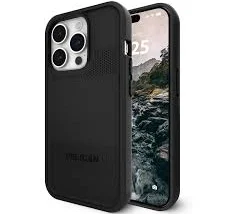
Pelican · Waterproof Smartphone Cases
iPhone 15 Pro Protector
Lower concern. Standard phone case materials rarely need PFAS.
Pelican phone cases typically use polypropylene and TPE without extensive surface coatings. No PFAS statement found, but material selection suggests lower PFAS likelihood than coated products.
We flunk more products than we pass. This one earned its grade. How we grade
Material
Polypropylene and thermoplastic elastomer (phone case)
Lab data
No public lab test
You may also be interested in
Top-graded picks in the categories readers replace first, every one scored on the same rubric.

- polypropylene filter housing, carbon/sediment cartridge
- We found no PFAS statement from the brand
- Bacterial growth in spent cartridges
3 hazards checked on this product, all on its full breakdown.

Aquasure
Premier Series 75 GPD Under Sink Reverse Osmosis Water Filtration System
- RO membrane, carbon filters, stainless steel housing
- We found no PFAS statement from the brand
- Bacterial and microbial growth in housing and filters
4 hazards checked on this product, all on its full breakdown.

Avocado
Vegan Mattress
- organic cotton, natural latex, coconut coir, recycled steel coils
- The brand calls it PFAS-free, which we have not verified
- Heavy metals
2 hazards checked on this product, all on its full breakdown.
What iPhone 15 Pro Protector is made of, ingredients and materials
The iPhone 15 Pro Protector uses polypropylene (PP) as the rigid shell and thermoplastic elastomer (TPE) for shock-absorbing grip. Polypropylene is a commodity plastic with no known food-contact hazards and excellent temperature stability across normal use (up to 130°C before degradation risk). TPE is a blend of rubber and plastic designed to flex without brittle failure, and both materials are inert at room temperature. Neither material typically requires flame retardants or plasticizers like BPA, though some TPE formulations may contain trace phthalates depending on the supplier.
What’s concerning
Category baseline
The starting point for this type of product, before anything specific to this product is counted.
No PFAS disclosure
No public statement from the brand about PFAS in this product.
Phthalates
TPE formulations may contain trace phthalates depending on elastomer source. No leaching into skin or food has been documented for phone cases, and skin contact does not present established risk, but susceptibility varies by manufacturing batch.
Source, ATSDR ↗Microplastic shedding from elastomer wear
TPE can shed tiny particles with repeated flexing and friction over 1-2 years. Shed particles remain on hands or clothing; ingestion risk is negligible unless directly contacted and transferred to mouth, but environmental accumulation is a theoretical concern for all elastomer cases.
What’s reassuring
Base material not linked to PFAS
The main material recorded for this product is not one associated with PFAS.
Volatile organic compound (VOC) off-gassing
Polypropylene and cured TPE have minimal off-gassing at room temperature. No reports of odor complaints or indoor air quality concerns specific to Pelican cases exist in public records.
Lead
Polypropylene and TPE phone cases are unlikely to use heavy-metal pigments due to cost and supplier standards in consumer electronics, but no third-party testing of this specific product has been published.
Source, ATSDR ↗How is this PFAS grade calculated?
The brand's record and disclosure
Pelican is a ruggedized case manufacturer with a 50+ year track record in protective equipment, known for military and professional use cases. The company does not publicly disclose detailed chemical composition or third-party safety certifications (e.g., SGS, UL) for consumer phone cases. No product recalls, chemical contamination reports, or regulatory warnings have been documented for Pelican phone cases. Their silence on PFAS and chemical sourcing is typical for the phone case industry but limits independent verification.
How it compares in its category
Phone cases in this durability tier (rigid shell + TPE bumper) are largely chemically equivalent; material choice drives function more than safety. Competitors like OtterBox and Spigen use similar PP/TPE combinations without documented leaching or off-gassing issues. Pelican's reputation for build quality suggests consistent material sourcing, though no premium certification (e.g., Cradle to Cradle, GreenGuard) distinguishes it chemically from standard competitors.
If you buy it
Polypropylene and TPE do not leach into skin or food under normal conditions; no special handling is required. Avoid prolonged exposure to direct sunlight or temperatures above 140°C, which could degrade the TPE and risk minor volatile emissions (though not a hazard at brief intervals). Replace the case if the elastomer becomes sticky, chalky, or develops visible cracks, as degradation may expose the inner plastic. Wash with mild soap and water if dust accumulates inside; do not use solvents or high-heat sterilization.
What is not known about PFAS in this product?
- Basis
- Model estimate, 72% confidence, not a lab result
- Lab test
- None on record for this exact product
- Brand statement
- Pelican has made a specific claim
Formulations change between production runs, so check the current label. How we grade.
More waterproof smartphone cases grades
How we score, every product runs through the same public 0-100 rubric based on materials, coatings, brand disclosure, lab findings, and recalls. See the full methodology → Spotted a mistake? Report an error.